
Save up to 73% on plans
Free ASCII Image Generator
Upload a JPG, PNG, or WebP, choose character density and your symbol set, then copy the ASCII art or download TXT and PNG. Processing stays in your browser and uses no credits.
Drop a photo or choose a file
Local processing · no upload · no credits
JPG, PNG or WebP · up to 20 MB · processed locally
More AI Image Models & Effects
Browse every other AI image model and effect published on this site in a continuous carousel.

















How an ASCII image generator maps pixels to characters
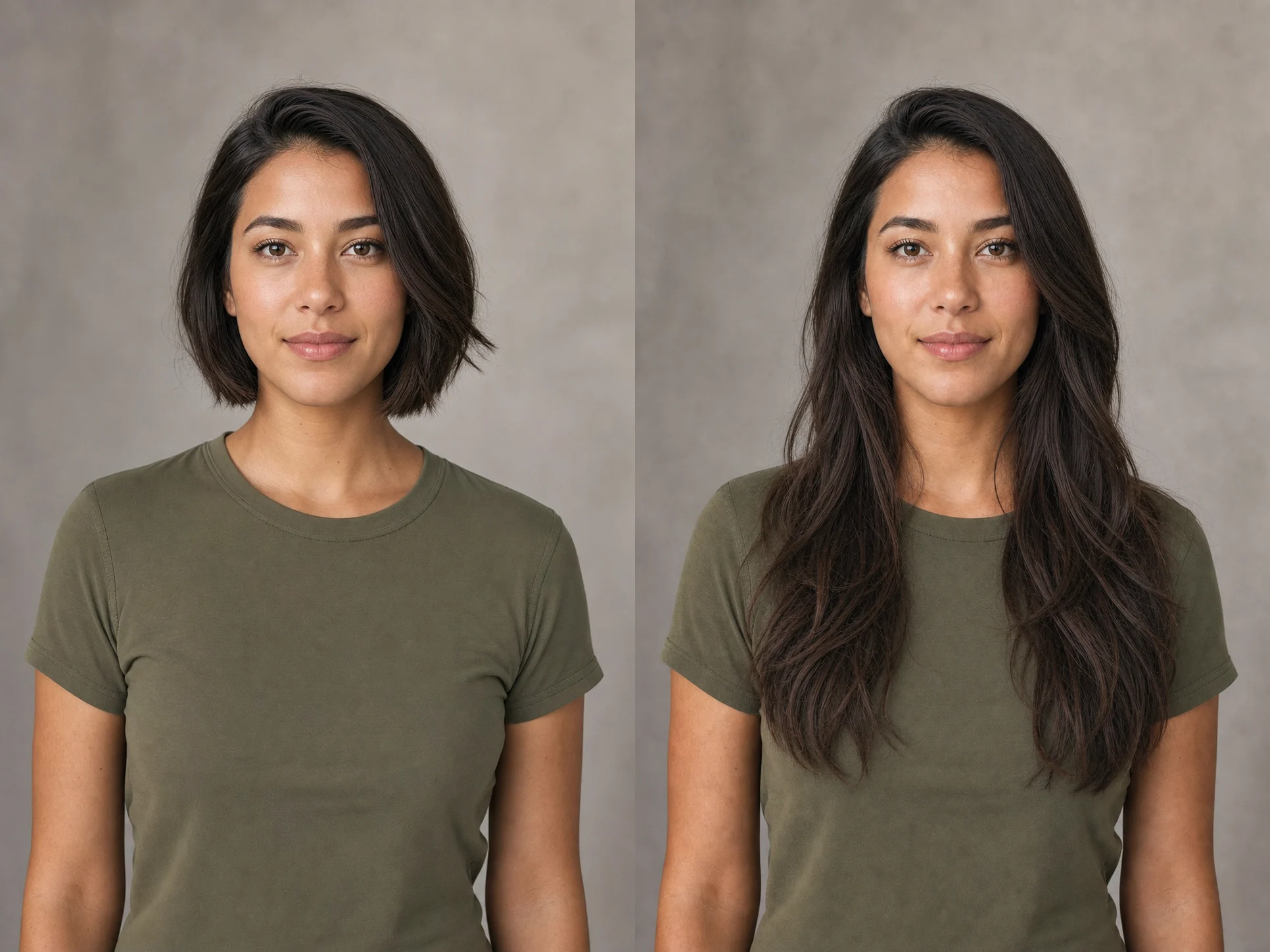
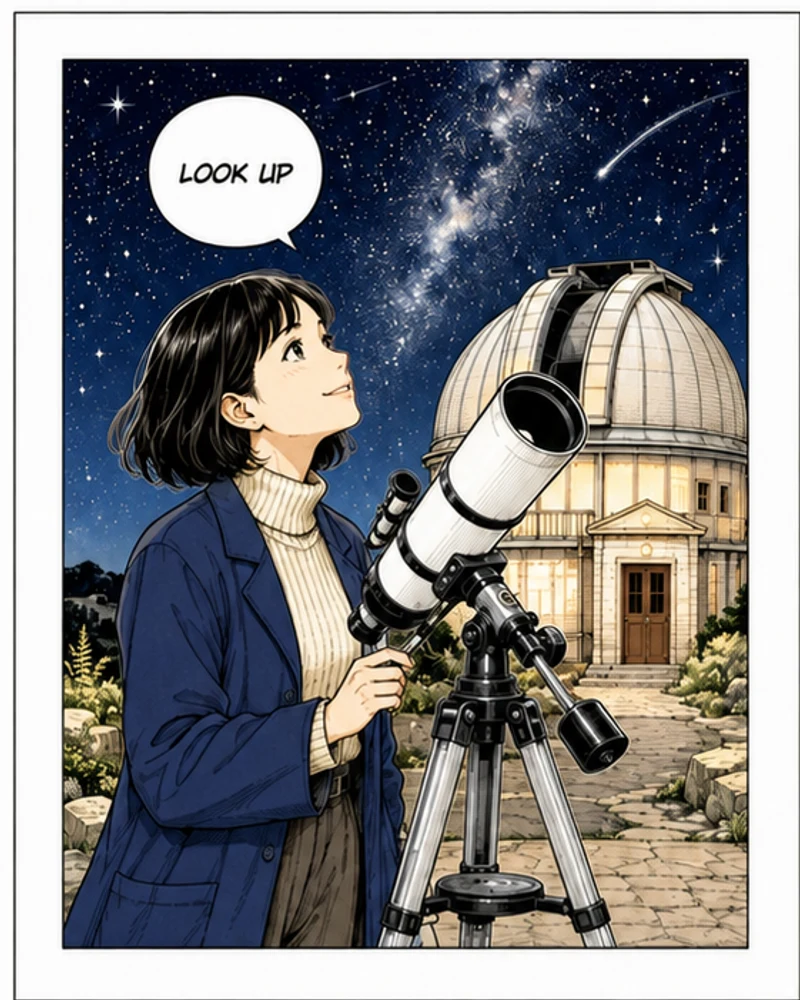
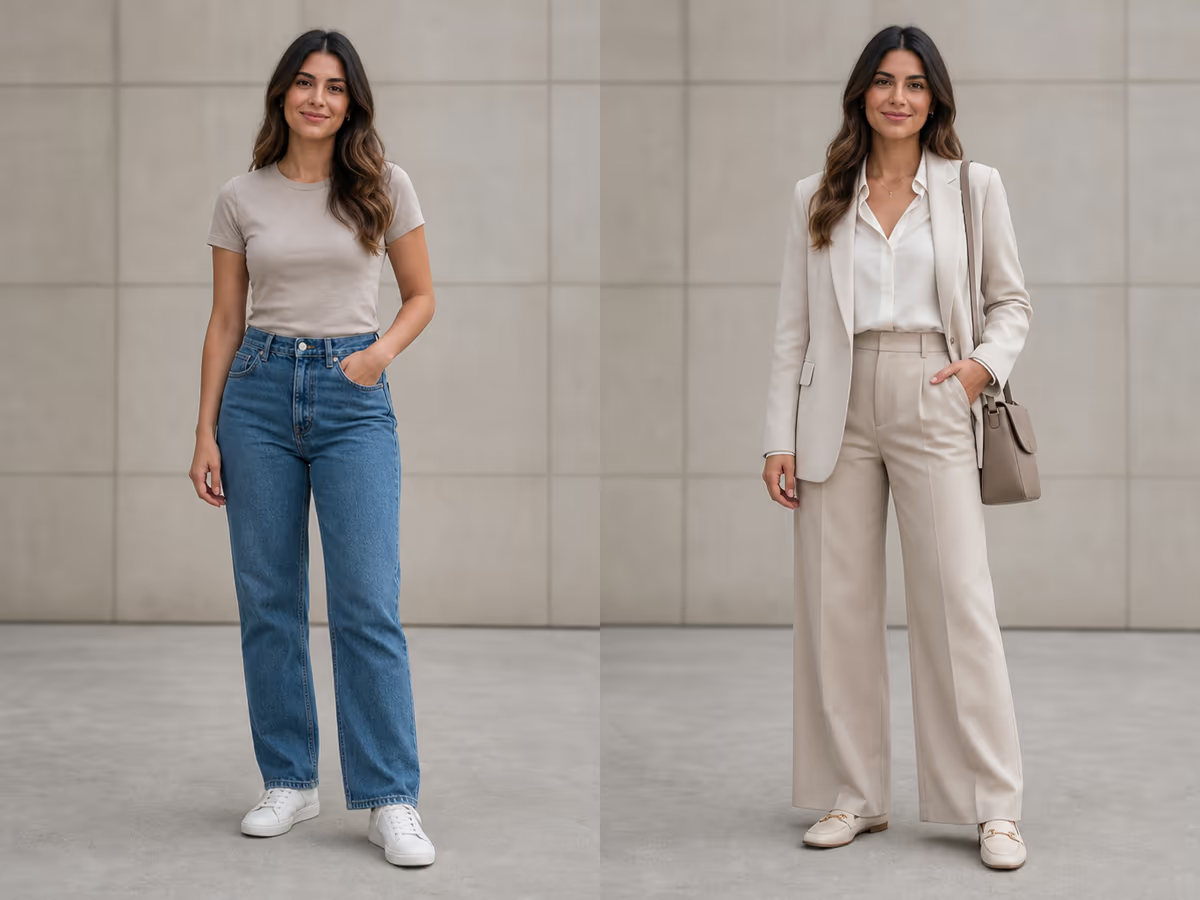
ASCII art replaces groups of image pixels with text characters. The generator resizes the picture to the selected number of character columns, calculates the brightness of each sampled pixel, and maps that value to a symbol in the ordered character set. Dense symbols such as @ or # represent darker areas, while punctuation and spaces represent lighter areas. Text characters are usually taller than they are wide, so the preview compensates for the approximate character aspect ratio rather than drawing one square text cell per square image pixel. The output is a typographic interpretation, not a reversible compression of the original photograph.
Choose enough columns for recognizable detail
The character-columns slider controls horizontal detail. A low value creates a bold abstract silhouette that is easy to paste into a message. A higher value preserves more facial, architectural, or product detail but also creates a wider text block that may wrap in narrow applications. Start around 60 to 90 columns for a portrait or object, then compare the eyes, outer silhouette, and largest shadows. Increasing columns cannot restore information that is blurry or missing from the source. It also does not guarantee that every destination uses the same font metrics. Test the copied text in the actual monospace environment where it will be displayed.
Edit the character set from dark to light
The default character set is arranged from visually dense to visually open symbols. You can replace it with a shorter sequence for a poster-like result or a longer sequence for smoother tonal steps. Keep the darkest character first and the lightest character last. Repeating a symbol gives that visual density a larger share of the brightness range. A set such as “@%#*+=-:. ” creates many transitions, while “# .” produces graphic three-tone art. Spaces at the end matter, so avoid trimming them accidentally. Different fonts render symbols at different weights; review the result in a common monospace font before publishing.
Use inversion for dark terminals and light pages
Standard mapping places dense symbols in dark image areas and spaces in bright areas, which works naturally as dark text on a light page. Invert the mapping when the destination uses light text on a dark terminal, or when you want a negative-style interpretation. The preview background does not change the underlying text, so consider where the copied output will appear. Inversion is a brightness mapping, not an RGB color negative. It will not preserve original colors in plain TXT. The optional color PNG paints each character from its source pixel while maintaining the selected symbol density, giving a raster export rather than colored terminal escape codes.
Prepare a source photo with clear values
High-contrast subjects with a simple background usually translate better than low-contrast scenes full of small objects. Crop around the main subject before uploading if empty surroundings consume most of the columns. Side lighting can reveal shape, but clipped highlights and black shadows contain little internal detail. For a face, use a clear image with visible eyes, hair outline, and separation from the background. For a logo, choose a clean source and consider a short character set. This local tool does not remove a background, identify objects, repair blur, or infer missing detail; it maps the pixels that are actually present.
Copy text when portability matters
Copy Text and Download TXT preserve the character grid without embedding an image. Paste the result into an editor that uses a monospace font and disables proportional typography. Keep line breaks intact, and place the art in a preformatted block when using HTML or Markdown. Chat applications may collapse repeated spaces or wrap long lines, so test a smaller column count if alignment breaks. Some platforms strip trailing spaces, which can slightly change the right edge. The output contains only the generated characters and newlines; the original photo, metadata, and colors are not embedded in the text file.
Download PNG for predictable visual layout
The PNG export draws the current text grid to a canvas using a monospace font. This keeps the line breaks and approximate spacing stable when the result is shared as an image. Choose monochrome for classic terminal-style art or enable source color for a more illustrative raster result. A PNG is not editable text and may be larger than a TXT file. The canvas export uses the current character grid rather than the full original resolution, so it should be treated as artwork at its exported dimensions rather than a photo-preservation format. Open the saved file and inspect its crop before publishing.
Understand local processing and file limits
The selected file is decoded in your browser, resized for character sampling, and never submitted to an AI generation endpoint by this tool. It uses no NanoPic credits. Supported inputs are JPG, PNG, and WebP up to 20 MB, with each side no larger than 8,192 pixels and a total limit of 24 megapixels. These limits keep browser memory and export work manageable, especially on phones. The sample button downloads only the public example you explicitly select. Closing or resetting the page removes the in-memory preview; NanoPic does not provide cloud history for this local ASCII conversion.
Check accessibility and rights before publishing
ASCII art is visual decoration made from text, but a screen reader may announce hundreds of meaningless symbols. Mark decorative ASCII as hidden from assistive technology when appropriate and provide concise alternative text that communicates the actual subject. Do not use ASCII conversion to evade image rights, privacy, or content rules. Upload only material you may process and publish. If a face or private location is involved, consider whether sharing even an abstract version is appropriate. Preserve attribution or licensing requirements separately because they are not carried into TXT or PNG exports automatically.
Use contrast controls before adding more characters
If the subject looks flat, improve the source or preprocess brightness and contrast before assuming that a longer character ramp will solve it. ASCII conversion depends on tonal separation. When face and background share similar brightness, both receive similar symbols even if their colors differ. A simple crop or contrast adjustment in an authorized editor can improve separation. Avoid crushing shadows or clipping highlights, because fully black and fully white areas lose internal structure. This generator intentionally keeps the controls focused on sampling and output. It does not claim to replace a complete photo editor, dithering laboratory, or terminal animation suite.
Design ASCII art for the destination width
A README, terminal splash screen, email signature, chat message, and printed poster tolerate different widths. Measure the available character columns before finalizing the export. For responsive web layouts, place the text in a horizontally scrollable preformatted block rather than allowing arbitrary word wrapping. For source code comments, follow the project’s line-length rules and do not hide important documentation behind decorative art. For a poster, PNG export may provide more predictable placement. The best grid is not the maximum grid; it is the smallest one that keeps the intended subject recognizable in its real destination.
Preserve alignment when publishing on the web or in code
ASCII art relies on every line using the same character width and on spaces being preserved. In HTML, place copied output inside a pre or code element, escape characters that have markup meaning, and consider overflow scrolling for narrow screens. Do not shrink the font until the art becomes unreadable merely to avoid horizontal movement. In Markdown, fenced code blocks usually preserve layout, but rendering platforms still use different fonts and widths. In source repositories, verify that automated formatters do not trim trailing spaces or wrap long lines. For command-line output, detect terminal width if the art is generated dynamically and offer a simpler text fallback. A decorative banner should never hide an error, command, legal notice, or accessibility label. If the export becomes part of a website image rather than text, give it descriptive alternative text and set explicit dimensions to reduce layout shift. Keep the original source and the chosen column count so the artwork can be regenerated for another destination. This planning makes the output portable without pretending that one text grid is universally responsive. When alignment still fails, export PNG for visual sharing and keep TXT as the editable archival version rather than forcing one format to solve every destination.
ASCII Image Generator FAQ
Answers about local processing, credits, character sets, color, copying, exports, and privacy.
Is the ASCII image generator free?
Yes. The conversion runs locally in your browser and uses no AI credits.
Is my photo uploaded?
No. This tool decodes the selected file in your browser. Only the public sample is fetched when you choose it.
Why does the copied art wrap?
The destination may use proportional text or a narrow width. Use a monospace font, preserve spaces and line breaks, or reduce the column count.
Can I change the symbols?
Yes. Enter characters from darkest to lightest. Short sets create graphic bands; longer sets produce smoother tonal steps.
What does color PNG do?
It colors each drawn character from the sampled source pixel. The TXT output remains plain characters without terminal color codes.
Does it preserve the original resolution?
No. ASCII art is resampled to a text grid. The TXT and PNG exports represent that grid, not a full-resolution copy of the source photo.
Turn a Photo into ASCII Art Locally
Choose a clear image, tune the character grid, and export only when the preview works in your intended format.