












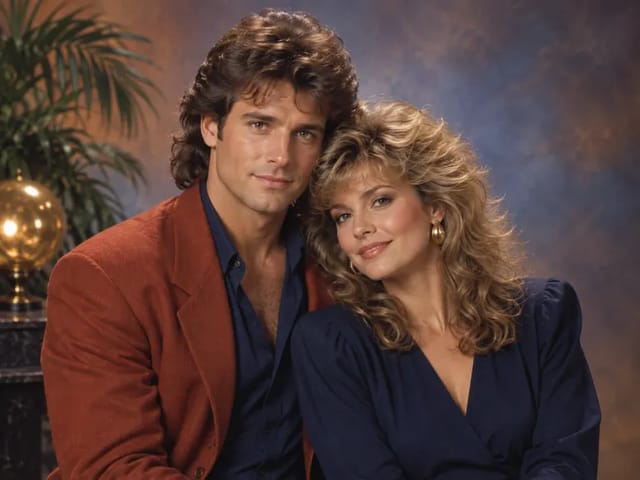
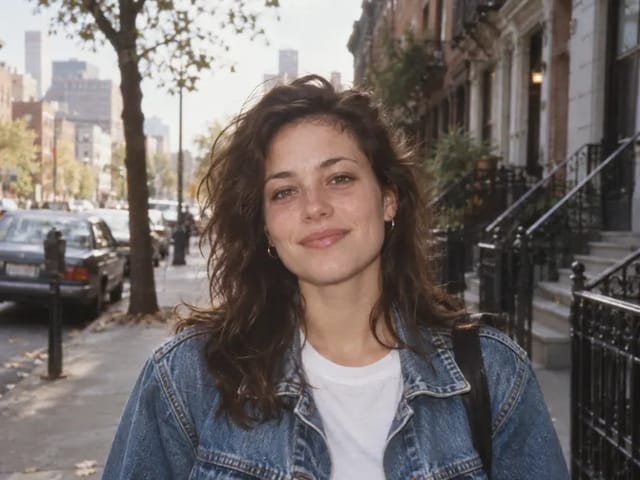
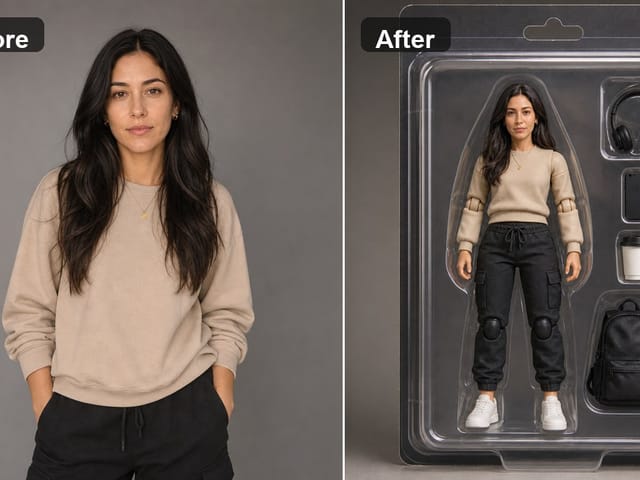
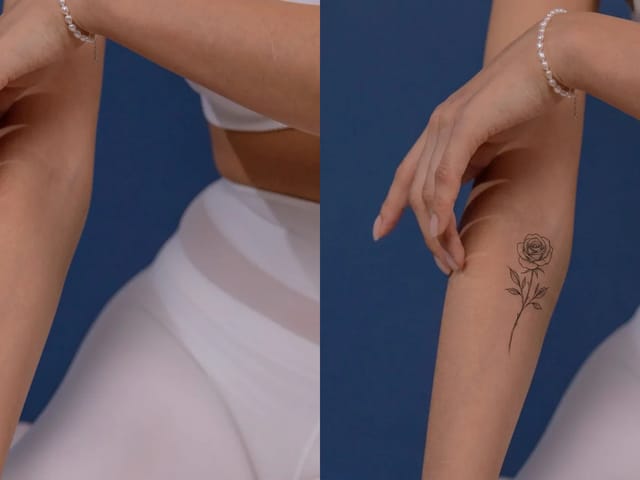

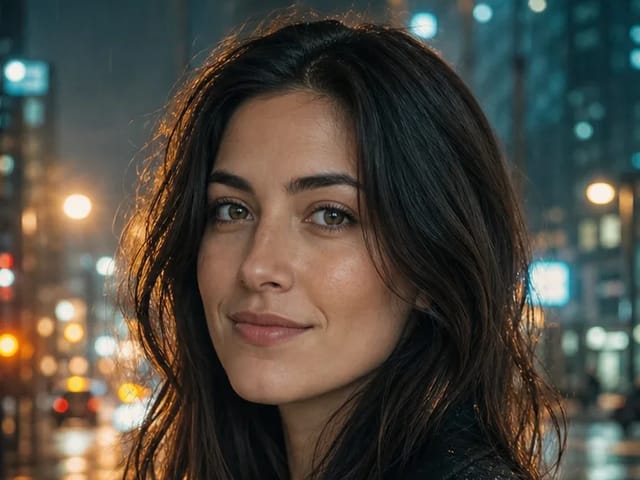


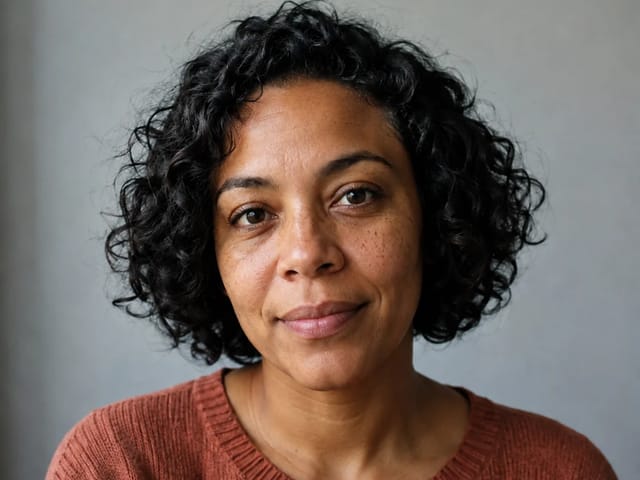


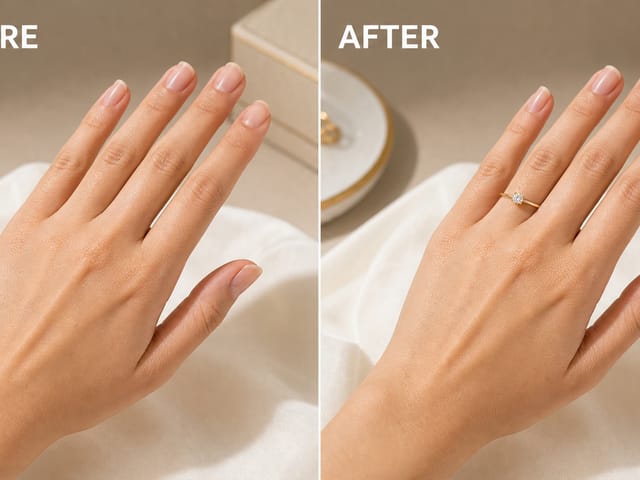
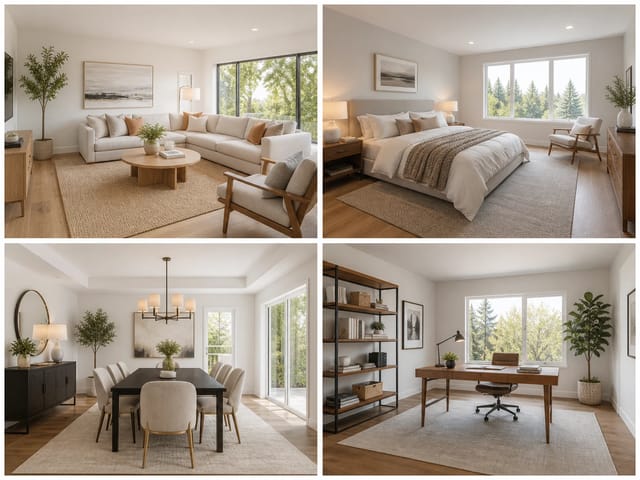
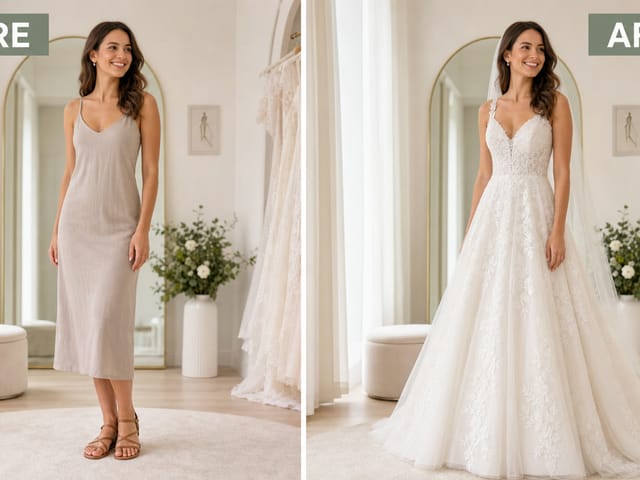
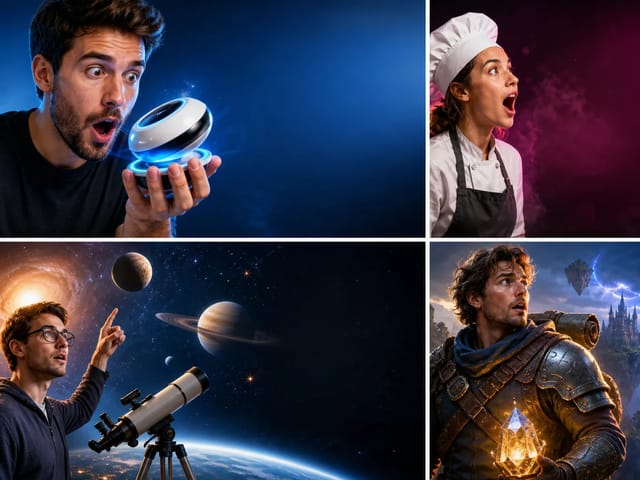
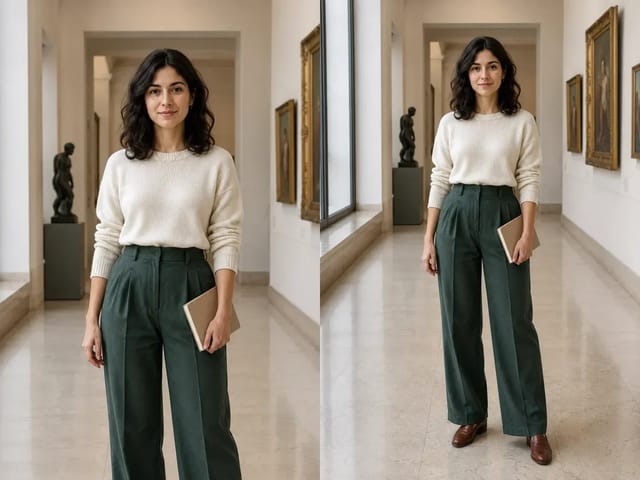
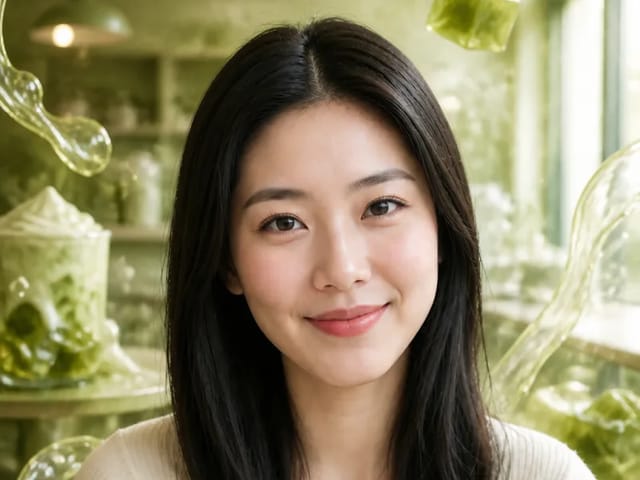
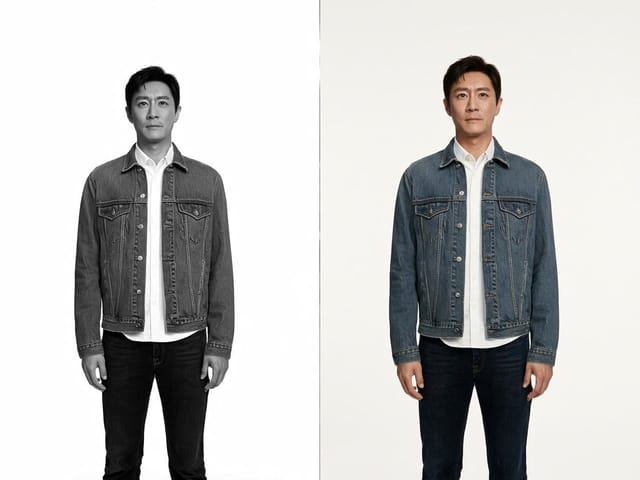


Warm flashlight and miniature double
The adult subject, flashlight, beam, and original palm-sized miniature keep a readable scale relationship. Public showcase visibility was disabled for this generation.
Try My Photo
Save up to 73% on plans
Browse every other AI image model and effect published on this site in a continuous carousel.
This 2:3 example was generated through this page's GPT Image 2 test route. It keeps the test watermark so it cannot be mistaken for a production asset.
The adult subject, flashlight, beam, and original palm-sized miniature keep a readable scale relationship. Public showcase visibility was disabled for this generation.
Try My PhotoThis workflow is an image edit, not a sticker overlay. The source portrait anchors the adult identity, hair, clothing, body proportions, camera angle, and photographic texture. The generated scene adds a palm-sized stylized double, a handheld flashlight, one coherent warm beam, contact shadows, and reflected light. The adult should remain realistic while only the miniature becomes animated or toy-like.
Use a sharp, well-lit image of one clearly adult person. Keep the full head, both hands, and enough space near the torso for the miniature interaction. The prompt prioritizes the source face, visible age, skin tone, hair, clothing, pose, and photographic character, but generative editing can still drift. Compare the result at full size instead of trusting the thumbnail.
The tiny figure should echo the person without becoming a second full-size human. It needs a readable silhouette, stable feet or another believable point of contact, and a scale relationship that makes sense beside the adult hand. Reject floating figures, duplicate adults, mismatched clothing, or a miniature that hides the face.
A convincing result has one visible beam with a clear direction, warmer highlights inside the cone, softer falloff outside it, contact shadows, and reflected light on nearby skin or clothing. Reject extra flashlights, beams that start from nowhere, glowing objects without shadows, and hands that merge with the prop.
A waist-up or three-quarter portrait usually leaves room for the adult, flashlight, hands, and miniature in one 2:3 frame. Avoid group photos, cropped fingers, heavy motion blur, extreme foreshortening, watermarks, and backgrounds packed with small objects. Only upload an image you own or are authorized to edit.
Use the editable prompt for mood, gesture, wardrobe detail, miniature pose, or background darkness. Keep the character original. Do not request copyrighted mascots, official logos, a real public figure, or a misleading endorsement. One specific interaction is easier to review than a long list of competing actions.
Check the displayed credit estimate before submitting. Open the returned file and compare face shape, eyes, hairline, clothing, hands, fingers, flashlight geometry, beam direction, scale, shadows, and crop. A second request is a separate paid generation, so change one important instruction at a time.
Visual charm does not cancel anatomical or identity problems. Review the adult and miniature separately, then review how they interact.
Count hands and fingers, inspect wrists and elbows, and compare facial asymmetry with the source. Reject duplicated limbs, fused fingers, plastic skin, changed visible age, or a miniature face that accidentally copies a different person.
Keep the complete head visible and avoid trimming the flashlight or miniature at the frame edge. Check that the warm beam remains visible on mobile and that the subject is not squeezed into a narrow corner.
Treat the output as a creative synthetic image. Do not present it as documentary evidence, an official character collaboration, or proof that a real person endorsed a product. Retain the source rights and generation record for your own review.
When the source has a useful pose, background, or light direction, ask the edit to preserve it. A request to change identity, pose, camera, wardrobe, background, miniature design, and lighting all at once gives the model too many competing objectives. Keep the recognizable adult and photographic foundation stable, then describe the miniature interaction as the principal change.
A miniature waving from the palm, examining the flashlight, or looking up at the adult is easier to review than several overlapping actions. Name which hand holds the flashlight, where the miniature stands, and where the adult looks. Simple spatial language helps prevent the beam, hands, and tiny figure from occupying the same impossible space.
If a result fails, write down the exact failure before changing the prompt. For face drift, strengthen identity preservation and reduce unrelated changes. For fused fingers, choose a source with clearer hands or simplify the contact. For a weak beam, specify one source, direction, cone, falloff, and reflected light. This makes each paid retry an intentional test rather than a blind variation.
NanoPic binds this page to its existing GPT Image 2 image-to-image route, currently mapped to Replicate model openai/gpt-image-2. The competitor label that motivated the topic is not used as proof of an official model or supplier. Judge this page from its own returned output.
No. The private recipe asks for an original stylized miniature that echoes the uploaded adult. Avoid named characters, logos, franchise costumes, and distinctive protected designs.
No. Identity and anatomy can drift in any generative edit. Use a clear source, inspect the full-resolution result, and reject changed faces, fused fingers, extra limbs, or impossible prop contact.
Opening the page and editing the prompt do not submit a request. Generation consumes the credit estimate shown by the tool. Each retry is a new request.
Use one sharp adult portrait with a complete head, visible hands, simple lighting, moderate perspective, and open space for the miniature and beam. Avoid minors, ambiguous-age people, groups, watermarks, and photos you are not authorized to edit.
Upload one authorized portrait, keep the editable request focused, then review identity, hands, light, scale, and crop before using the output.
80s Photo Filter adds warm, faded film color to your photo in the browser. Adjust strength, preserve clothing and framing, and download a PNG.
Open tool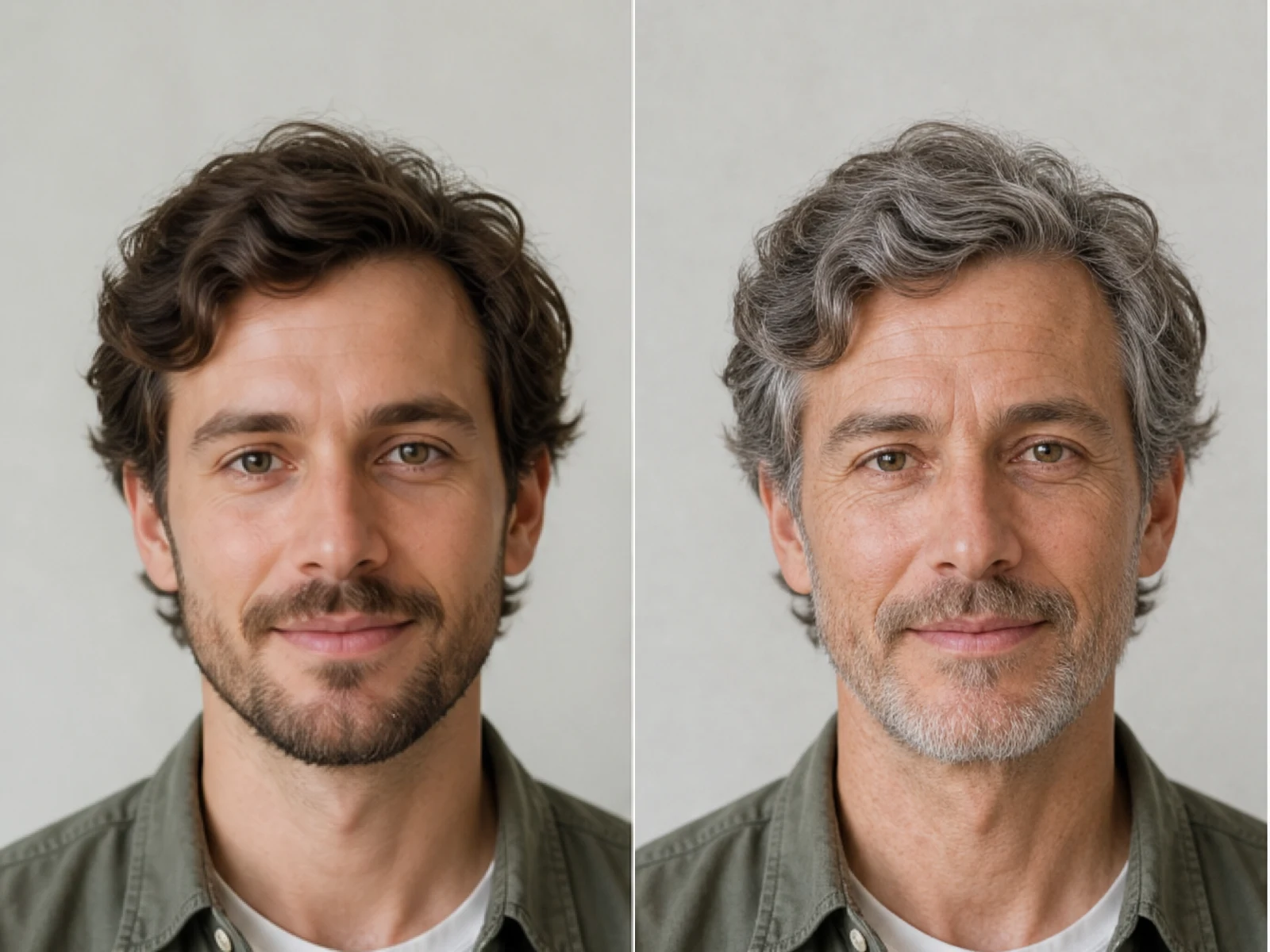
AI Age Filter creates a natural older-look concept from an authorized adult portrait. Review identity, complete-head framing, light and scene after editing.
Open tool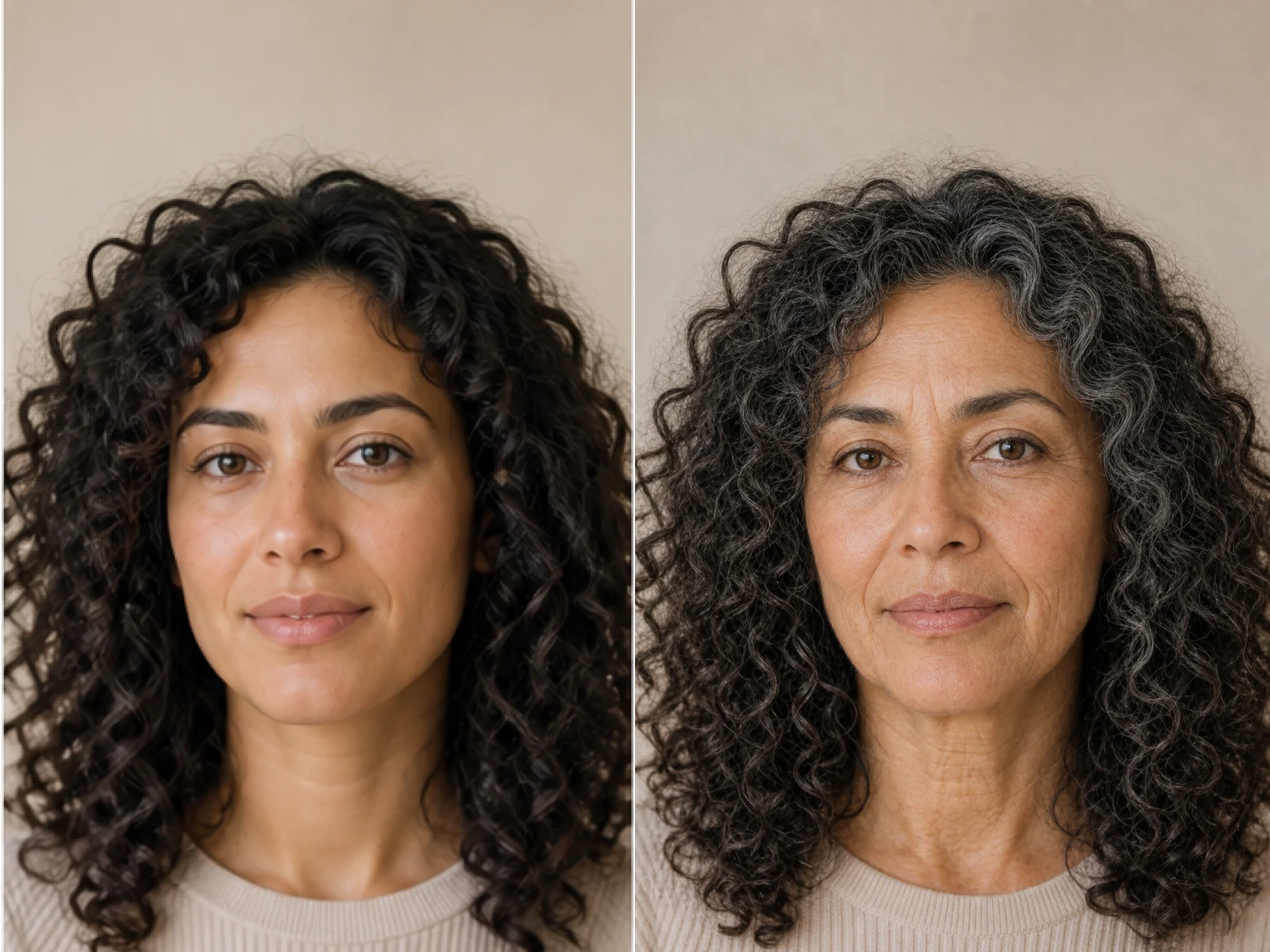
AI Age Progression creates a target-age concept from an authorized adult portrait. Set an age interval and review identity, framing and scene after editing.
Open tool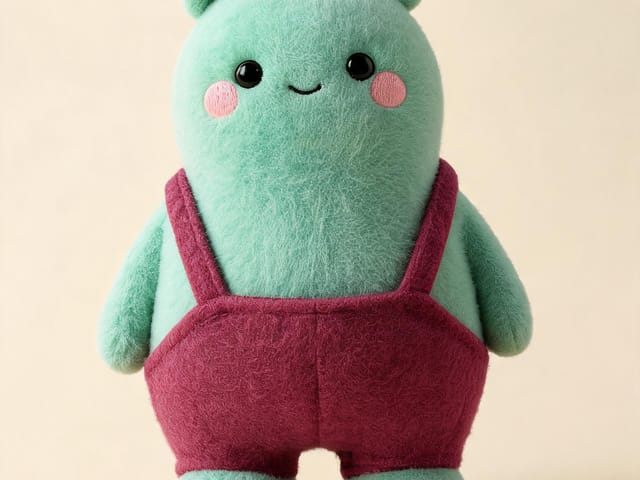
AI Labubu Generator helps explore your own monster doll concept from an authorized reference. Create original shapes and outfits, with no official affiliation.
Open tool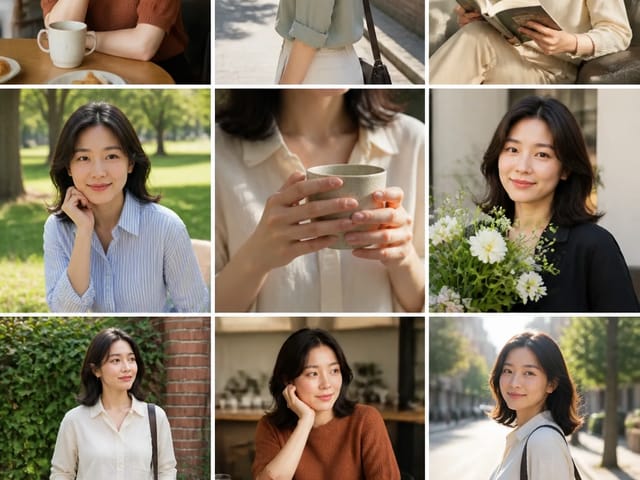
Camera Roll AI turns an authorized reference photo into one lifestyle collage. Plan varied scenes and a phone-gallery-inspired layout, then save one image.
Open tool
Face in Hole Generator places an authorized face into your chosen photo or template. Upload two references, refine the blend, and save a creative portrait.
Open tool
Explore a Hotpot AI alternative with NanoPic’s independent Seedream 5.0 editor. Upload a reference, direct a visual concept, and review your image.
Open tool
Make Image Higher Resolution with real 2× or 4× browser resizing. Compare pixel dimensions and download PNG without claiming recovered detail.
Open tool
Remove Glare from Glasses in photos with an editable AI image prompt. Upload your portrait, reduce lens reflections, and review the result before using it.
Open toolTry 12 original funny AI prompts on one authorized person or pet photo. Load, edit, generate, and review identity, anatomy, props, text, and visual coherence.
Open toolTurn one authorized photo into original blocky pixel art with six editable prompts. Generate, then review subject detail, geometry, text, rights, and composition.
Open tool