MiniMax H3 Prompts
Sign In
Home/AI Video Templates/MiniMax H3 Prompts
First-viewport prompt builder

MiniMax H3 Prompts: Builder & Complete Library

Build a structured audiovisual prompt in the first screen, then copy original prompt recipes across ten practical categories. The library follows MiniMax's public H3 prompt pattern: an integrated shot description, an overall soundscape, and non-diegetic music direction.

Build and copy prompts here, or open NanoPic's current MiniMax H3 generator with the structured prompt prefilled. Review the visible model, duration, aspect ratio, and task credits before generating.

Camera, dialogue, and audio controls

Structured prompt preview

integrated_multimodal_description: [Shot 1] Cinematic live-action craft documentary with natural material texture. Begin in a medium-wide locked composition, then push in slowly to a close detail of the glaze without cutting. A ceramic artist opens a kiln at dawn, revealing a cobalt-blue vase while warm steam rolls into the cool studio air. She pauses, smiles, and turns the vase slowly so the glaze catches the light. Keep her hands, the vase shape, and the workbench spatially consistent. The speaking subject (S1) says, <d>[English] That color only appears when the fire gets everything right.</d> Target duration: 8 seconds; aspect ratio: 16:9.

overall_soundscape: A soft kiln fan, ceramic clinks, fabric movement, and the quiet rush of released heat, synchronized to the action

non_diegetic_music: Sparse felt-piano notes with a warm sustained cello bed, low in the mix

Review timing, references, rights, safety, and the visible task settings before submitting. Opening the generator prefills the prompt and aspect ratio but does not start a generation request.

Three visual directions before you write the shot list

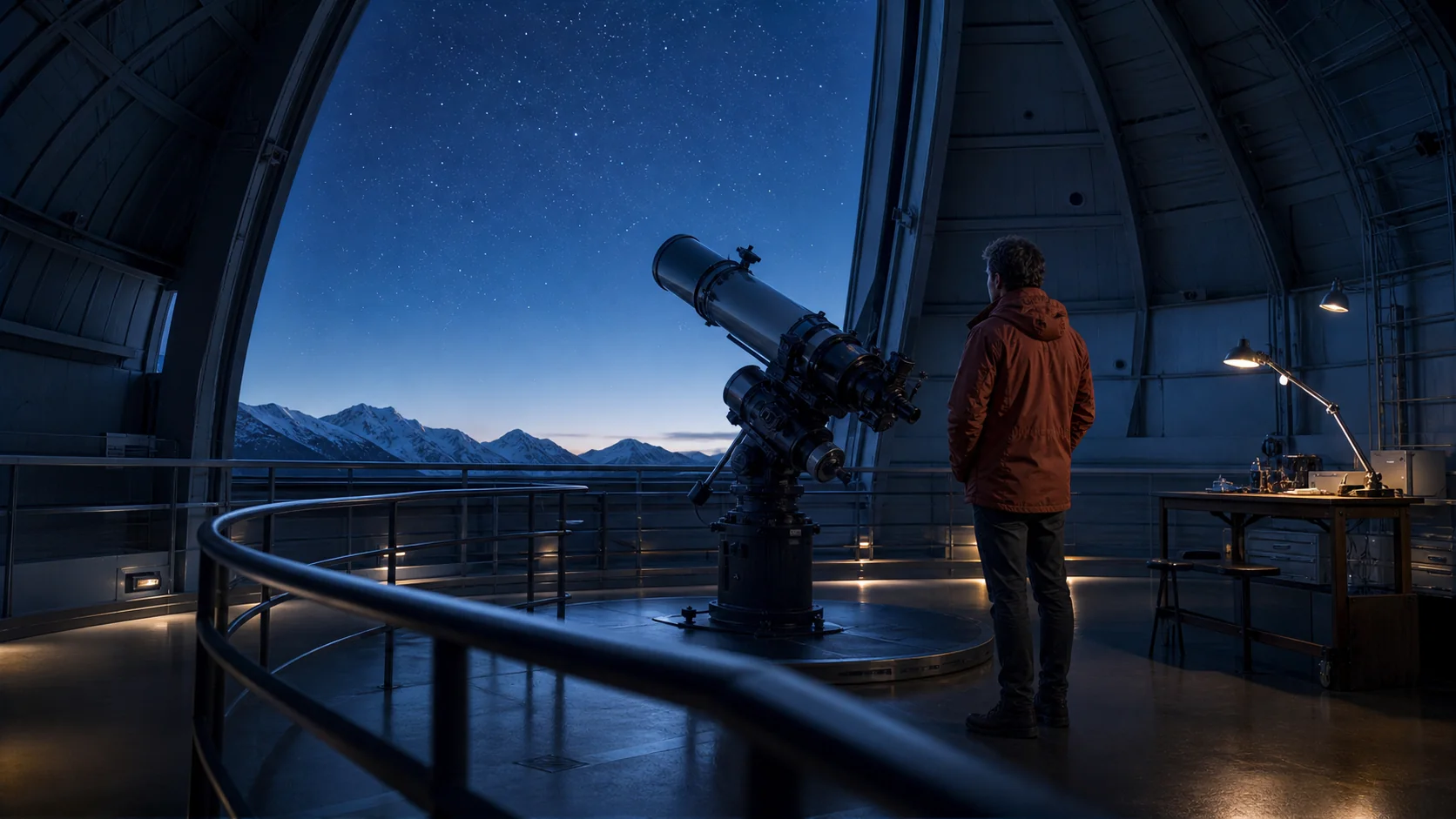
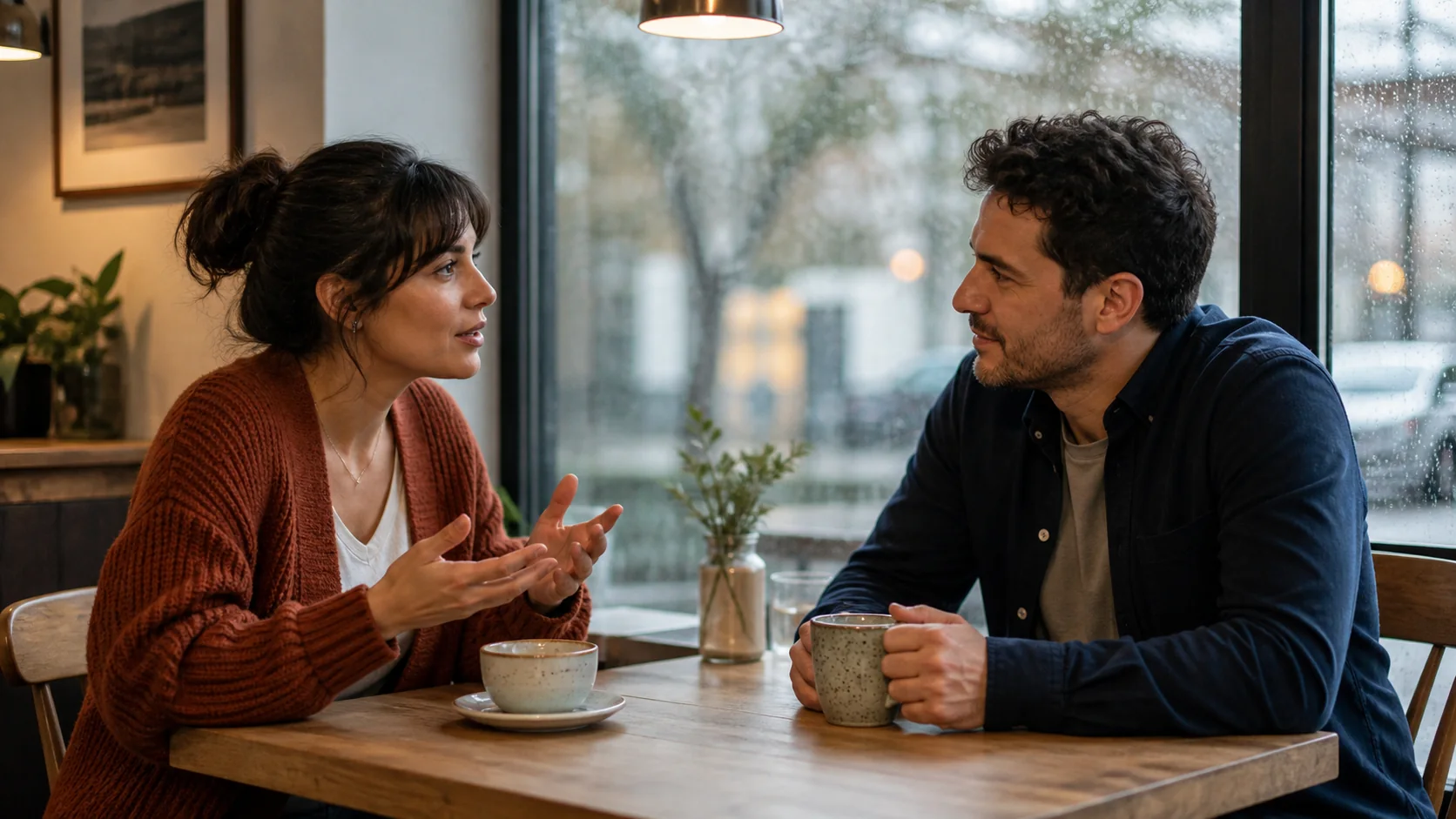
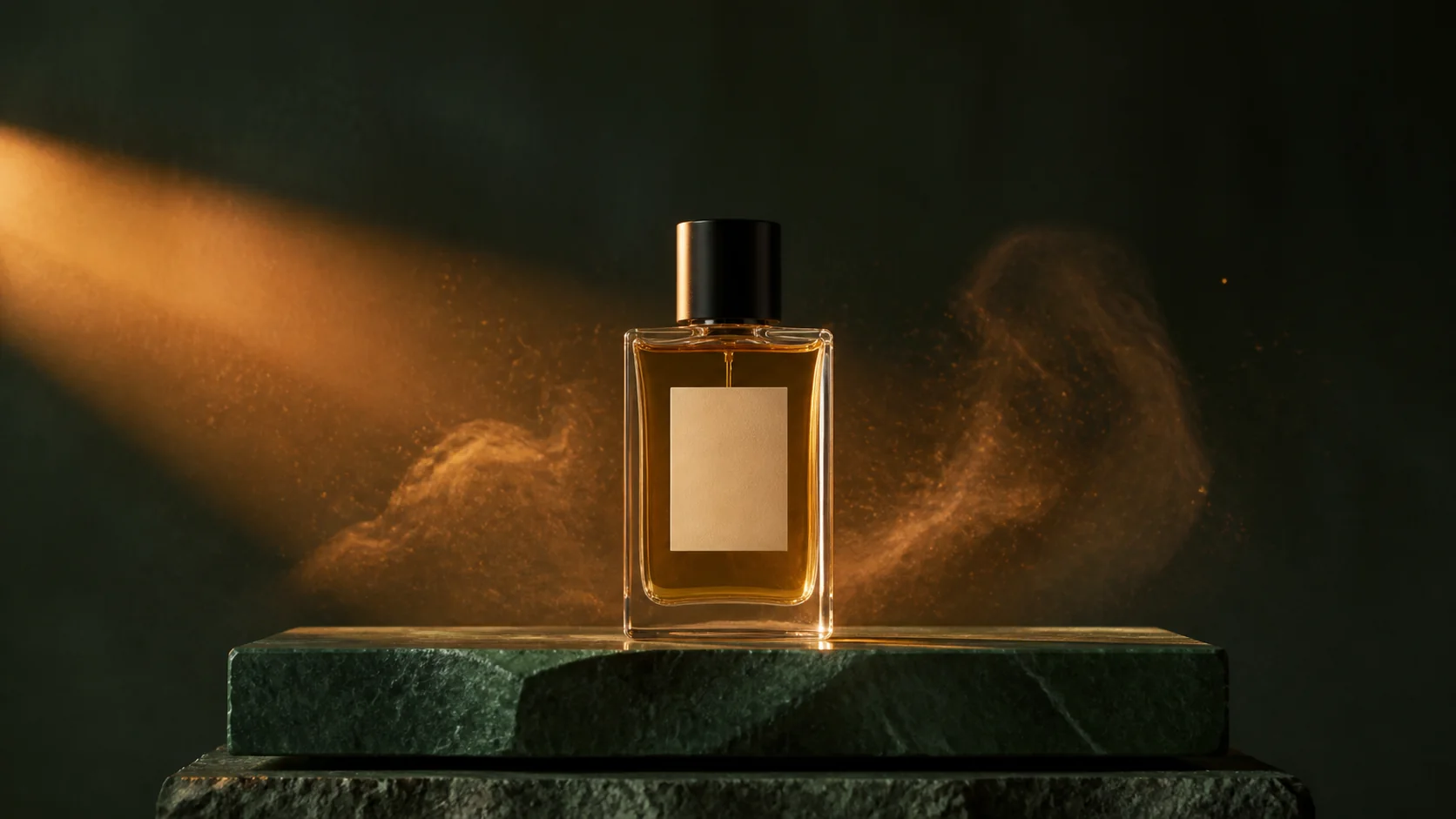
These original NanoPic page images are composition references, not H3 outputs. Use them to decide framing, subject scale, color, and motion vocabulary before expanding a prompt.

Original cinematic observatory scene with a dolly camera composition for a MiniMax H3 prompt example

Cinematic camera blocking

Identify the opening frame, the subject's screen position, the camera path, and the end composition before adding spectacle.

Original two-character cafe scene staged for dialogue and reaction-shot prompt planning

Dialogue and reaction timing

Give each speaker a stable identity, leave room for the line, and describe the listener's visible reaction instead of stacking speech.

Original unbranded fragrance bottle product scene with controlled particles and studio lighting

Product proof with restrained VFX

Keep geometry, label area, material, and hero framing stable while one purposeful effect supports the reveal.

20 copyable MiniMax H3 prompt examples in one hub

Each card is an original starting point rather than a promise of a particular output. Replace subjects, licensed references, dialogue, timing, and brand-safe product details. For first-frame, last-frame, or reference-media tasks, add the alignment instruction required by the interface you actually use.

Camera

Write motion as type, scale, speed, subject relationship, and landing composition. Avoid combining several incompatible moves in one short beat.

One-take market reveal

A restrained gimbal move travels from tactile foreground detail to a human-wide reveal.

integrated_multimodal_description: [Shot 1] Live-action morning market documentary. Start at counter height in an extreme close-up of rain beads rolling across a crate of green pears. The camera slides left slowly with small amplitude, keeping the droplets sharp while vendors remain soft behind them. As a vendor lifts the crate, rack focus to her face and rise smoothly into a medium-wide view of the whole covered market. End with the crate centered in her arms and the aisle lines leading toward her; no cut, no sudden orbit, stable geometry.

overall_soundscape: Light rain on canvas awnings, wooden crates shifting, distant footsteps, and a soft vendor call, all spatially natural.

non_diegetic_music: N/A
single takerack focusdocumentary

Controlled orbit around a sculpture

A product-like orbit defines speed, range, and the precise final angle.

integrated_multimodal_description: [Shot 1] Minimal gallery film. A hand-sized translucent amber sculpture stands on a matte stone plinth. Begin in a medium close-up at a three-quarter front angle. Orbit clockwise through roughly forty-five degrees at a slow, constant speed while moving five percent closer; keep the sculpture centered and upright. Warm window reflections travel across its surface without changing its shape. Land on the side profile with the internal bubbles visible and hold for the final second.

overall_soundscape: Quiet gallery room tone, faint shoe movement far away, and a subtle glass-like resonance when the highlight crosses the sculpture.

non_diegetic_music: One sustained low synthesizer note that fades before the final hold.
orbitproduct cameralanding frame

Dialogue & Sound

Name the speaker, label the language, keep lines short enough for the duration, and separate environmental sound from music.

Quiet platform conversation

Two speakers exchange one short line each with visible listening behavior.

integrated_multimodal_description: [Shot 1] Naturalistic live-action, medium two-shot on an almost empty train platform before sunrise. Mara, wearing a rust coat (S1), faces Ivo, wearing a navy rain jacket (S2). A train light approaches far behind them. Mara (S1) says softly, <d>[English] I kept the last ticket for you.</d> Ivo listens without speaking, looks at the ticket, then answers, <d>[English] Then we should not miss this one.</d> Their lip movement stops cleanly after each line; no overlapping speech. The camera pushes in slightly as the train breeze lifts the edge of the ticket.

overall_soundscape: Distant rails humming, a station announcement too far away to understand, fabric in the breeze, and the approaching train growing louder.

non_diegetic_music: N/A
two speakerslip syncno overlap

Off-camera interviewer response

An off-screen question and on-screen answer have distinct spatial roles.

integrated_multimodal_description: [Shot 1] Warm workshop interview, static medium close-up of a bicycle-frame builder beside a brass workbench. An off-camera interviewer to camera-left (S1) asks, <d>[English] What tells you the weld is finished?</d> The builder on screen (S2) glances toward camera-left, runs one finger near the cooled seam without touching it, and replies, <d>[English] The line stops fighting the light.</d> Hold on the builder's small smile and the metallic texture; do not cut to the interviewer.

overall_soundscape: The interviewer's voice is slightly closer to the microphone than the room, with low ventilation, a distant tool set down, and subtle cloth movement.

non_diegetic_music: Soft brushed percussion and muted upright bass, below the dialogue.
off-camera voiceinterviewroom tone

VFX & Transitions

Anchor the real scene first, define exactly what transforms, and explain how the effect ends so the clip does not become an unstructured morph.

Blueprint becomes a room

A top-down drawing transforms into physical architecture with one readable transition path.

integrated_multimodal_description: [Shot 1] Stylized architectural film, top-down view of a hand-drawn reading room blueprint on cream paper. A graphite line traces the outer wall once. Wherever the line passes, the paper rises into miniature plaster walls, then walnut shelves and a green reading chair assemble from folded planes. Nothing fades; every element grows from its matching drawn footprint. The camera descends gently as the miniature reaches full depth, then crosses the window opening and transitions seamlessly into the same room at human scale. End facing the green chair in warm afternoon light.

overall_soundscape: Pencil scratch, paper folds, small wooden clicks, then the acoustics widen into a quiet full-sized room with distant city ambience.

non_diegetic_music: Precise marimba pulses that broaden into warm strings at the scale transition.
transformationmatch cutarchitecture

Rain suspended in time

One temporal effect stays spatially coherent while the camera moves through it.

integrated_multimodal_description: [Shot 1] Cinematic night street, a cyclist stops beneath a red pedestrian signal during heavy rain. At the instant the front wheel stops, every raindrop freezes in midair while the cyclist, fabric, and bicycle remain naturally moving. The camera makes a slow half-circle around the cyclist, passing between suspended droplets that refract red and cyan storefront light. As the signal turns green, the droplets resume falling from their exact positions and the cyclist pushes forward. Preserve the bicycle geometry and rider identity throughout.

overall_soundscape: Heavy rain and tire hiss cut abruptly to a low muffled room tone during the freeze, then snap back in sync when time resumes.

non_diegetic_music: A single bowed-metal swell during the frozen interval, resolving on the green light.
time freezerefractioncontinuity

Animals

Describe species-appropriate movement, safe environments, and camera distance. Avoid human expressions or impossible anatomy unless stylization is intentional.

Sea otter kelp drift

A calm wildlife beat prioritizes believable buoyancy and fur interaction.

integrated_multimodal_description: [Shot 1] Photoreal wildlife documentary at water level in a quiet kelp forest. An adult sea otter floats on its back with a small smooth stone resting on its chest. Its wet fur clumps naturally, whiskers move in the breeze, and one hind foot paddles slowly to maintain position. The otter wraps a strand of kelp loosely around its torso, turns its head toward a distant gull, then settles. Use a long-lens medium shot with gentle water-borne camera rise and fall; no close approach and no human-like gestures.

overall_soundscape: Small waves against kelp, distant gulls, soft breathing, and occasional water droplets near the microphone.

non_diegetic_music: N/A
wildliferealistic motionlong lens

Border collie barn task

Clear action staging keeps the animal's path and handler cue understandable.

integrated_multimodal_description: [Shot 1] Golden-hour farm documentary, wide view of an open barn lane. A black-and-white border collie waits beside a wooden gate, alert but relaxed. A farmer raises one hand without speaking. The dog accelerates along the left fence, curves behind three sheep, lowers its body naturally, and guides them through the gate without contact. Track laterally at dog height with moderate speed, then stop as the dog returns to the farmer and sits. Keep every animal count, coat pattern, and lane position consistent.

overall_soundscape: Gravel under paws and hooves, quiet sheep calls, gate hinge creak, evening insects, and one soft whistle at the final sit.

non_diegetic_music: Light acoustic guitar rhythm, restrained and lower than the farm sounds.
animal actiontrackingsafe handling

Cinematic

A cinematic prompt still needs a readable story beat. State the visual grammar, change in emotion, and the shot that carries the moment.

Lighthouse power return

A two-shot dramatic beat ties environmental scale to a keeper's reaction.

integrated_multimodal_description: [Shot 1] Cinematic storm drama, wide exterior of a white lighthouse on a black rock shelf as waves strike below. The beacon is dark. The camera pushes slowly toward the lantern room while lightning reveals rain sweeping sideways. [Shot 2] At 00:04.500, cut inside to a close profile of the keeper turning a heavy brass switch. The mechanism resists, then locks. Warm light rotates across her wet face and travels out over the ocean. She exhales and watches the first sweep find a distant boat. End on her steady expression; no extra cuts.

overall_soundscape: Storm wind, structural groans, waves below, switch metal under strain, the generator catching, and the rotating lens mechanism.

non_diegetic_music: Low strings build under the dark beacon and open into one restrained horn chord when the light returns.
two shotsstormemotional turn

Library after closing

A quiet mystery uses light, blocking, and one reveal instead of excessive cuts.

integrated_multimodal_description: [Shot 1] Cinematic magical realism in an old municipal library after closing. A night custodian pushes a cart between tall shelves under green reading lamps. Use a symmetrical wide frame and a slow backward dolly. One returned book on the cart opens by itself; its pages turn in the opposite direction of the custodian's movement, releasing a thin line of warm dust. She stops, notices the light reflected on the floor, and looks down. The camera lowers with her gaze to reveal a tiny moving map across the open page. Keep the room grounded and the effect subtle.

overall_soundscape: Cart wheels, fluorescent hum, distant radiator ticks, pages turning, and a faint airy resonance from the map.

non_diegetic_music: Celesta notes spaced widely over a near-silent string harmonic.
magical realismsymmetryslow dolly

Character & Performance

Lock appearance, clothing, posture, intention, and one observable emotional change. Performance verbs are more useful than vague quality adjectives.

Chef waits for the critic

Small hand and eye behavior communicates tension without melodrama.

integrated_multimodal_description: [Shot 1] Naturalistic restaurant drama, medium close-up of a middle-aged chef in a charcoal apron standing behind the kitchen pass. Keep her short silver hair, left-cheek freckle, rolled sleeves, and flour-marked apron consistent. She hears a fork set down in the dining room, stops wiping the same plate, and holds the cloth too tightly. Her eyes shift toward the doorway while her shoulders stay square. After a long breath, she relaxes her grip and places the plate precisely in the center of the shelf. The camera remains still and lets the performance carry the scene.

overall_soundscape: Low kitchen ventilation, distant cutlery, one fork touching porcelain, cloth against ceramic, and controlled breathing.

non_diegetic_music: N/A
micro-expressioncontinuitystatic camera

Young inventor demonstrates a failure

A confident-to-amused performance arc plays in one readable take.

integrated_multimodal_description: [Shot 1] Bright live-action school workshop, medium-wide shot of a teenage inventor wearing clear safety glasses and a green coverall beside a small wind-powered cart. She presents it confidently to three classmates, presses a switch, and the fan sends only a paper flag spinning while the cart remains still. Her confident smile freezes for half a second, then becomes a genuine laugh. She kneels, spots the disconnected belt, and holds it up for the group to see. Classmates react naturally without crowding the frame. Slow handheld push-in, stable face and outfit.

overall_soundscape: Workshop room tone, tiny motor whir, flag flutter, a plastic click, then natural group laughter and one chair scrape.

non_diegetic_music: Playful pizzicato strings stop at the failed start and return lightly after the laugh.
performance arcensemblecomedy

Video Editing

For source-video edits, specify retained elements, the single intended change, and the exact timing. Do not imply the prompt builder uploads or processes video.

Change daylight to a storm front

An editing instruction preserves subjects and geometry while changing weather and light.

Edit the supplied source video only: preserve the camera path, people, faces, clothing, building geometry, vehicles, pacing, and original cut points. Beginning at 00:02.000, shift the clear midday sky into a fast-arriving coastal storm. Light cools gradually, tree leaves turn in the wind, distant clouds thicken, and the first rain reaches the pavement at 00:05.500. Add physically matched wet reflections and fabric response without moving or redesigning any subject. Keep all original dialogue.

overall_soundscape: Preserve the source dialogue; add increasing wind, distant thunder, leaves, and rain that matches visible intensity.

non_diegetic_music: Preserve the source music unchanged.
source videoweather editpreservation

Remove an unwanted background sign

A localized repair instruction prevents unrelated scene redesign.

Edit the supplied source video only: remove the bright rectangular sign on the rear wall throughout every frame and reconstruct the same aged brick texture behind it. Preserve camera motion, lens distortion, exposure changes, foreground people, hair edges, hand movement, table objects, shadows, reflections, audio, duration, and every existing cut. Do not add decoration, text, logos, or a new light source. The repaired brick must remain temporally stable as people pass in front of it.

overall_soundscape: Copy the original source audio without alteration.

non_diegetic_music: Copy the original source music without alteration.
object removaltemporal stabilitylocalized edit

Reference & Consistency

Define what each reference controls, what must stay unchanged, and which elements may evolve. Use only media you own or are authorized to use.

Reference-led studio turntable

A product reference controls geometry while the scene and camera are newly directed.

Use Reference Image 1 only for the unbranded ceramic speaker's exact silhouette, perforation pattern, matte ivory material, control dial, and proportions. Create a new studio video: the speaker sits on a pale oak turntable against a warm grey seamless backdrop. The turntable rotates one hundred twenty degrees clockwise while the camera stays in a locked medium close-up. A soft key light moves across the perforations, but the product does not bend, multiply, relabel, or change color. End at a clean three-quarter rear angle with the cable port visible.

overall_soundscape: Quiet studio air, subtle turntable motor, and one soft tactile dial click near the end.

non_diegetic_music: Minimal electronic pulse with no vocals.
reference imageproduct consistencyturntable

Character wardrobe continuity

A character reference anchors identity and clothing across a short two-location sequence.

Use Reference Image 1 to preserve the character's facial structure, natural skin texture, braided hair, mustard field jacket, blue canvas bag, and silver round glasses. [Shot 1] She exits a small neighborhood bookstore into light snow, medium tracking shot from the side. [Shot 2] At 00:04.000, match cut on her hand lifting the blue bag as she enters a warm tram. Keep her face, braid layout, jacket details, bag wear, glasses, and body proportions identical across the cut. Change only environment, lighting, and the practical action.

overall_soundscape: Bookstore bell and street snow hush transition into tram doors, low motor vibration, and quiet passengers.

non_diegetic_music: Gentle acoustic harmonics continue seamlessly across the match cut.
character referencematch cutidentity

Animation

Name the animation medium, material behavior, frame character, and transition rules. Keep the physics consistent with the chosen craft.

Paper-cut weather lesson

A tactile educational scene uses only actions possible with layered paper pieces.

integrated_multimodal_description: [Shot 1] Handcrafted paper-cut stop-motion on a flat navy tabletop. A layered paper town is assembled piece by piece: cream houses slide in, green trees hinge upright, and a cotton-paper cloud enters on a visible paper track. Small blue raindrop cutouts descend in staggered stop-motion steps into a transparent paper river. A yellow sun disk rotates from behind the cloud, the drops stop, and three white vapor spirals rise from the river to demonstrate evaporation. Preserve paper thickness, tiny placement jitter, hard cutout edges, and real cast shadows; nothing melts or photorealistically morphs.

overall_soundscape: Paper slides, small wooden taps, gentle rain-stick texture, and a soft chime when the sun appears.

non_diegetic_music: Light marimba pattern with an educational, unhurried rhythm.
paper cutstop motioneducation

2D night-bus loop

A limited-animation loop stays graphic and repeatable without drifting into 3D.

integrated_multimodal_description: [Shot 1] Hand-drawn 2D animation with ink outlines and flat indigo, coral, and cream colors. Side view inside a night bus: a student rests against the window while city lights move right-to-left outside. Use limited animation at twelve drawings per second, a repeating two-beat sway in hanging straps, three-frame reflection shimmer, and subtle line boil. The student's breathing and one blink form a seamless eight-second loop. Keep perspective flat, proportions consistent, and every surface visibly illustrated; no 3D rendering or photoreal textures.

overall_soundscape: Low bus engine, tires on damp road, soft window rattle, and one distant stop request bell.

non_diegetic_music: Lo-fi electric piano loop with no vocal sample.
2D animationseamless looplimited animation

Product Ads

Describe an unbranded or authorized product, lock geometry and label-safe areas, and make each shot prove one benefit rather than stacking empty luxury adjectives.

Unbranded fragrance launch

A three-beat commercial keeps the bottle stable while light and particles support the scent story.

integrated_multimodal_description: [Shot 1] Premium studio product film, macro view of an unbranded rectangular fragrance bottle on dark green stone. Preserve the clear glass geometry, blank cream label, black cap, and amber liquid level. A narrow sunrise beam crosses the bottle from left to right, creating realistic caustics. [Shot 2] At 00:03.000, cut wider as a restrained ribbon of cedar-colored mist circles once behind the bottle without obscuring it. [Shot 3] At 00:06.000, cut to a centered hero frame; the mist settles, one highlight rests on the cap edge, and clean negative space remains above the product. No logos, invented copy, or extra bottles.

overall_soundscape: Soft glass placement, a controlled mist release, and quiet studio room tone.

non_diegetic_music: Refined low piano motif with brushed cymbal texture, ending on a clean resolve.
fragrancehero shotbrand safe

Trail shoe proof-of-function

A performance ad uses material close-ups and a grounded action instead of borrowed brand language.

integrated_multimodal_description: [Shot 1] Energetic outdoor product film for an unbranded charcoal trail shoe with rust-orange laces. Extreme close-up as the outsole compresses against wet granite; preserve tread count, lace pattern, material panels, and shoe color. [Shot 2] At 00:02.500, lateral tracking shot of a runner crossing a shallow stream, water displacement physically matched to each footfall. [Shot 3] At 00:06.000, low static hero frame as the same shoe stops on a mossy rock, droplets falling from the sole while morning fog opens behind it. No logos, slogans, or impossible floating product.

overall_soundscape: Rubber grip on stone, measured footfalls, shallow water splashes, breathing, and forest ambience.

non_diegetic_music: Percussive wooden rhythm that follows the cadence without covering the natural sounds.
sports productmaterial prooftracking

How to adapt these MiniMax H3 prompts

The public H3 guide separates what viewers see and hear from the overall ambience and music. A useful prompt is a timed production plan, not a pile of visual adjectives.

1

Start with the task and reference role

Decide whether you are writing text-to-video, first-frame, first-and-last-frame, last-frame, reference-led creation, or an edit. If a reference exists, state what it controls and how the scene develops from or toward it. Never combine roles that your selected interface treats as mutually exclusive.

2

Give every shot a job and enough time

Describe the initial composition in Shot 1. Add a later shot only when the cut changes story information, scale, or point of view. Keep cut times strictly increasing and leave dialogue enough real speaking time; a short clip cannot carry a full screenplay.

3

Direct camera motion precisely

Name the motion, range, speed, subject relationship, and final framing. A slow push-in or forty-five-degree orbit is more actionable than 'dynamic cinematic camera.' Avoid asking for a crane, orbit, zoom, whip pan, and handheld shake in the same brief beat.

4

Separate diegetic sound from score

Put ambience, footsteps, fabric, impacts, and spoken lines in the integrated description or soundscape. Reserve non-diegetic music for the score that only the audience hears. Use N/A when you intentionally want no background music.

Official references used for this prompt structure

Reviewed against MiniMax's public documentation on August 10, 2026. Use the current documentation as the authority for supported inputs, field syntax, and interface-specific limits. The examples on this page are original NanoPic learning material.

MiniMax H3 prompt FAQ

What is the recommended MiniMax H3 prompt structure?

For the public base guide, a practical structured prompt contains integrated_multimodal_description for visuals, shots, speakers, dialogue, and synchronized actions; overall_soundscape for ambience and physical sounds; and non_diegetic_music for the audience-only score. Reference and keyframe tasks may need an additional alignment instruction supplied by the interface.

How should I write dialogue in a MiniMax H3 prompt?

Assign stable speaker IDs, state the language, keep lines short enough for the clip, and describe visible listening or reaction behavior. Avoid overlapping several long lines. The card examples use the public <d>[Language] line</d> pattern as a writing aid, but you should confirm the exact syntax used by your chosen tool.

Can I use first-frame, last-frame, and reference media together?

Do not assume so. MiniMax's public API documentation treats first/last-frame image workflows and reference-image/video/audio workflows as separate input modes. Choose the job first and follow the current contract of the interface or API you actually use.

Can I send a prompt from this page to NanoPic's MiniMax H3 generator?

Yes. The first-screen builder can open NanoPic's current MiniMax H3 generator with the structured prompt and aspect ratio prefilled. Nothing is submitted automatically; review the visible model, duration, aspect ratio, and task credits before you generate.

Are the images on this page MiniMax H3 outputs?

No. They are original page-specific composition references created for NanoPic. They illustrate camera blocking, dialogue staging, and a product-VFX direction, not benchmark evidence or H3 output quality.