






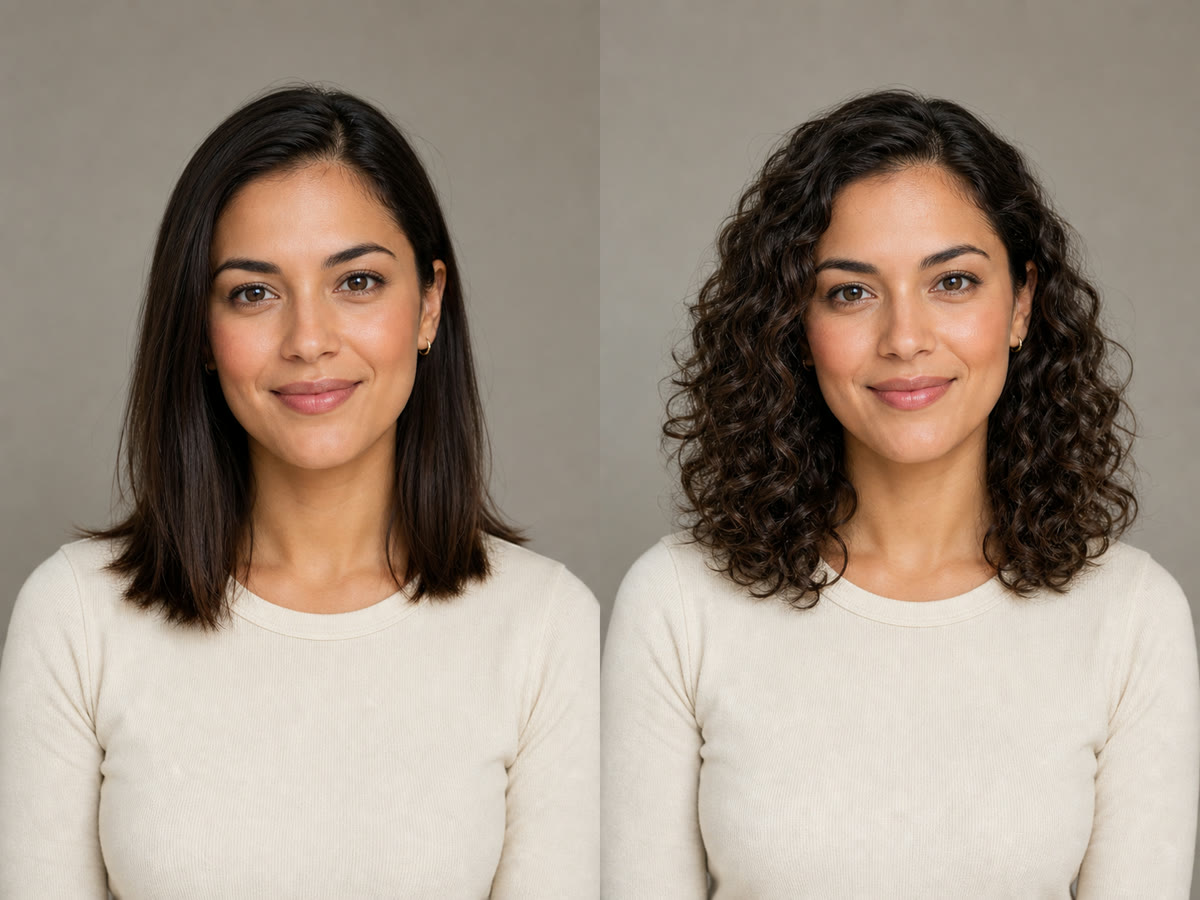






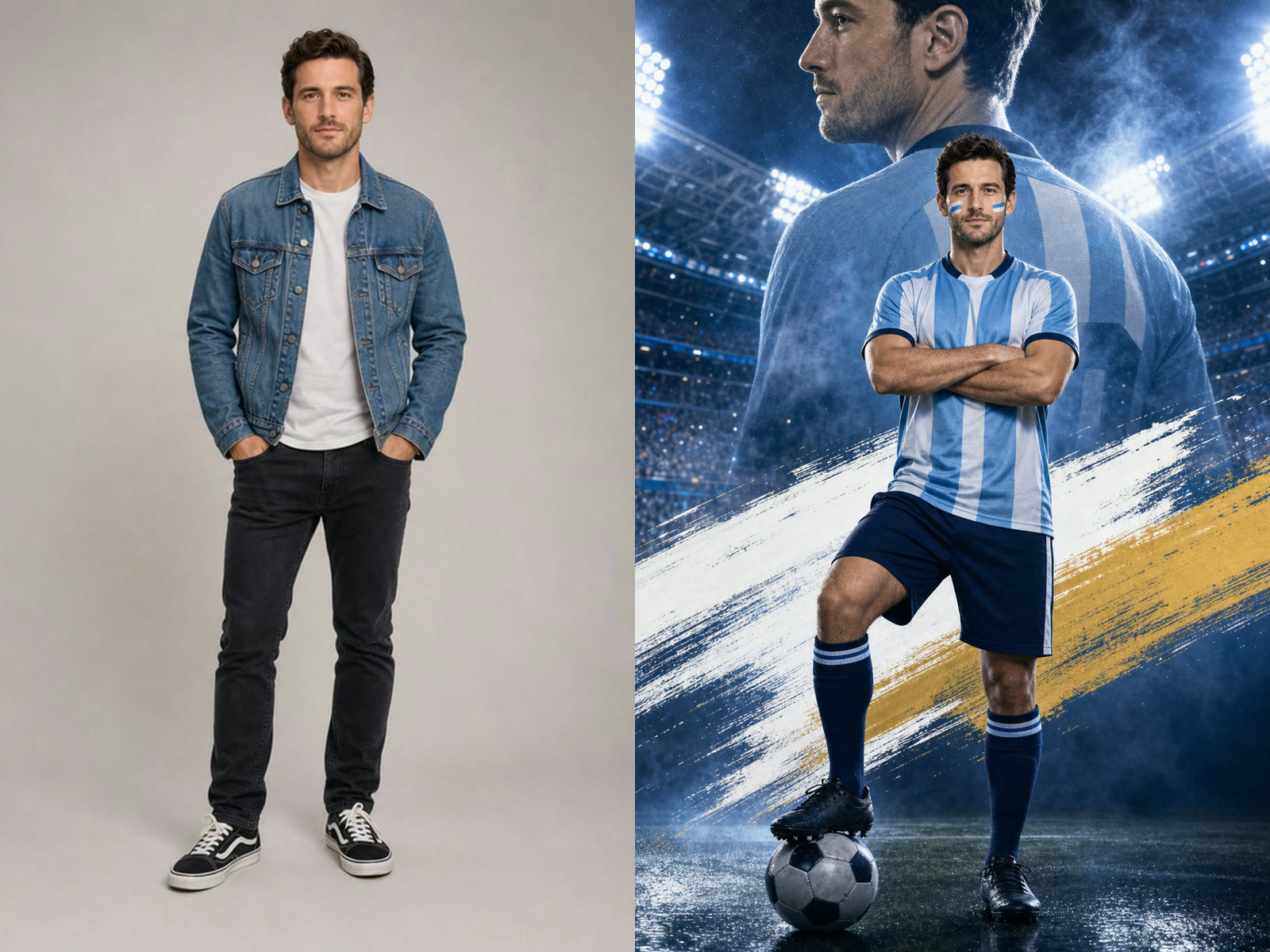
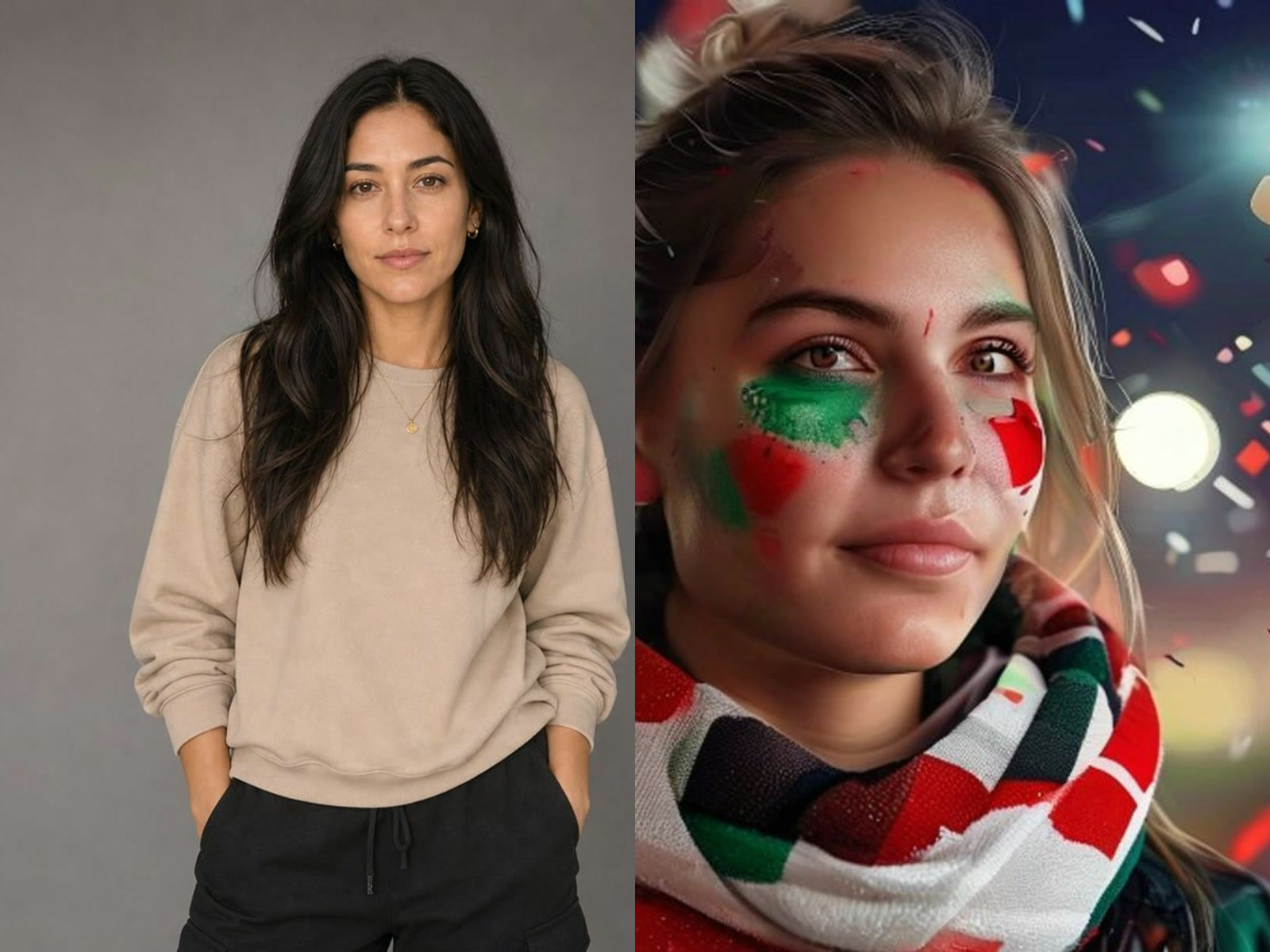
Face-Preserving Hair Edit
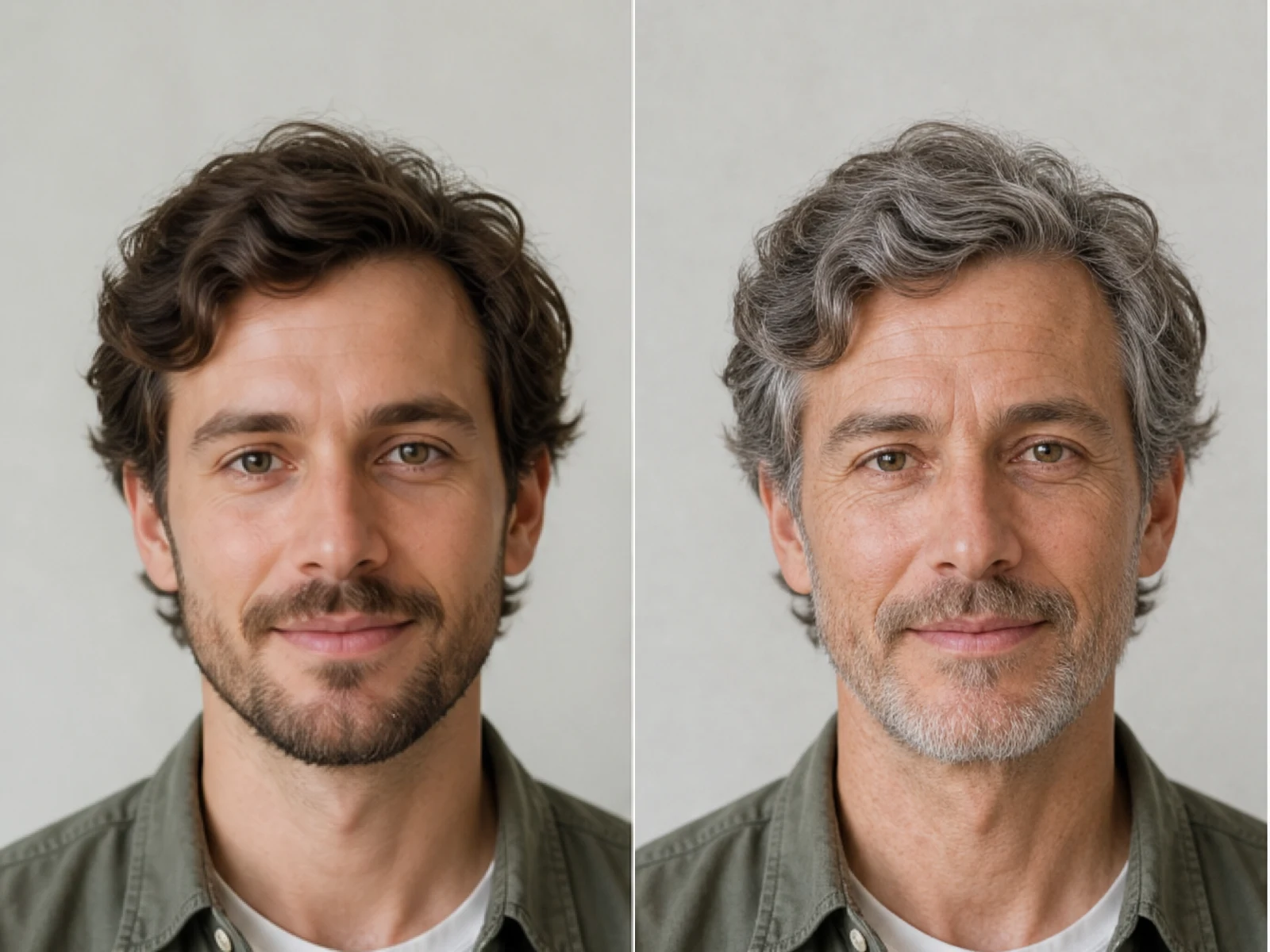
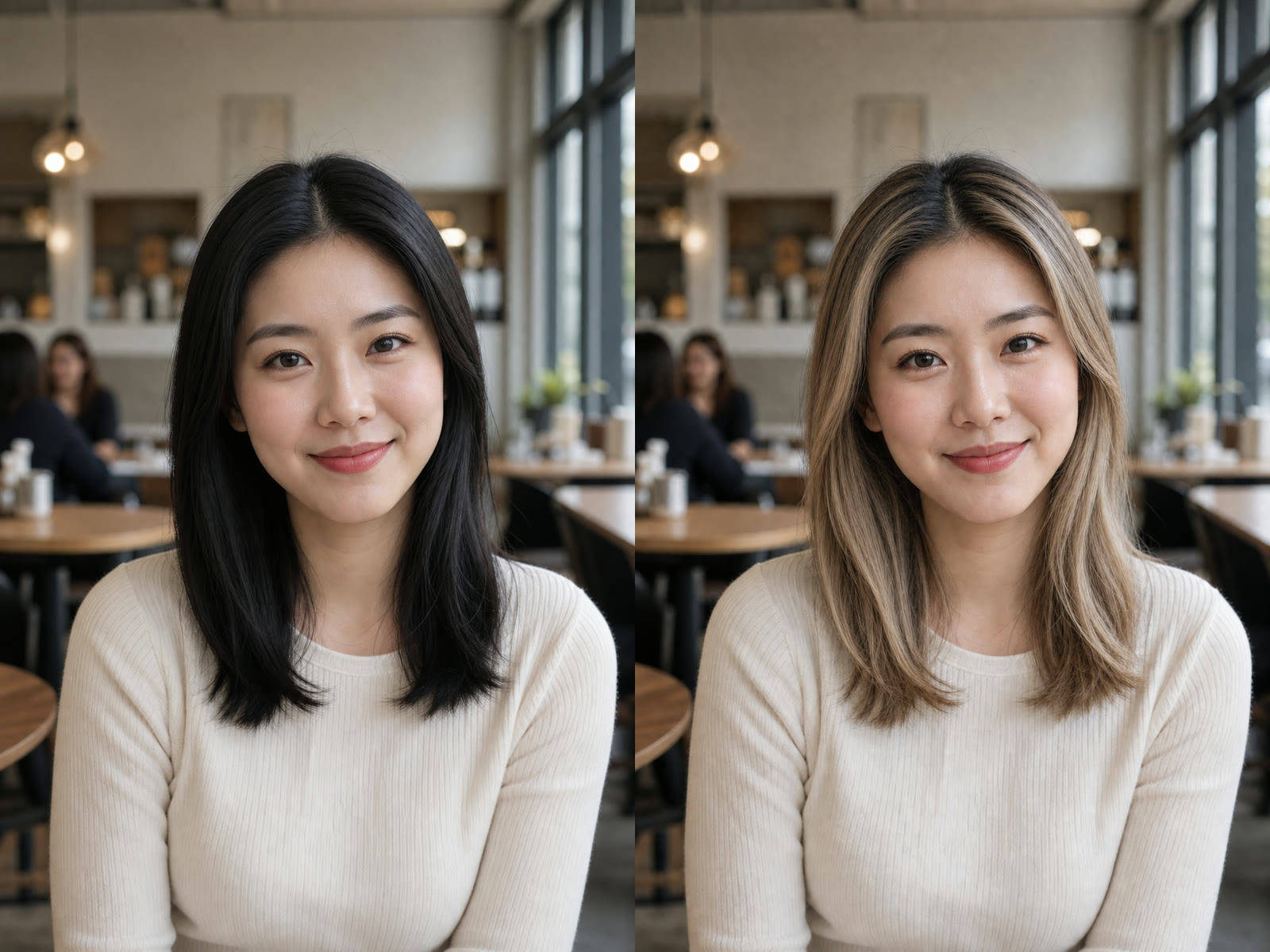
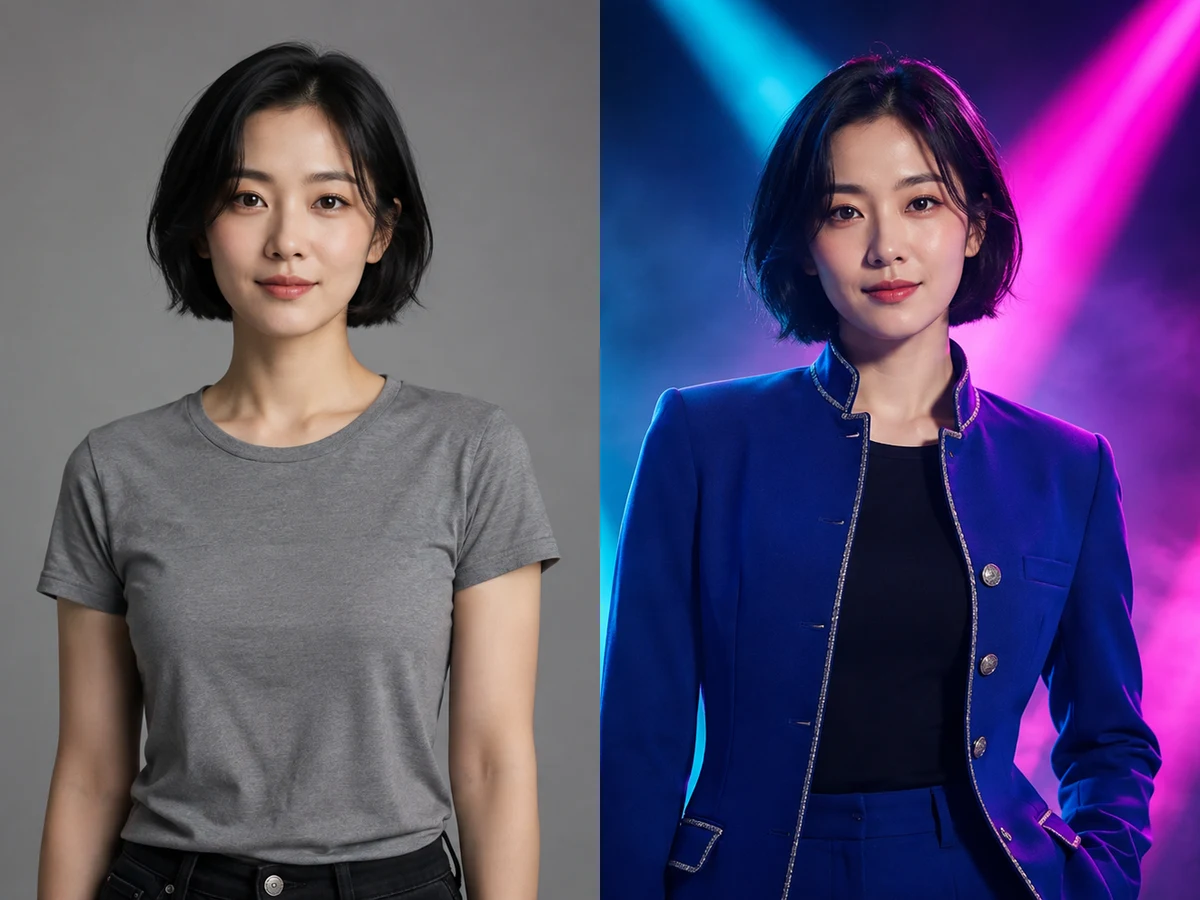
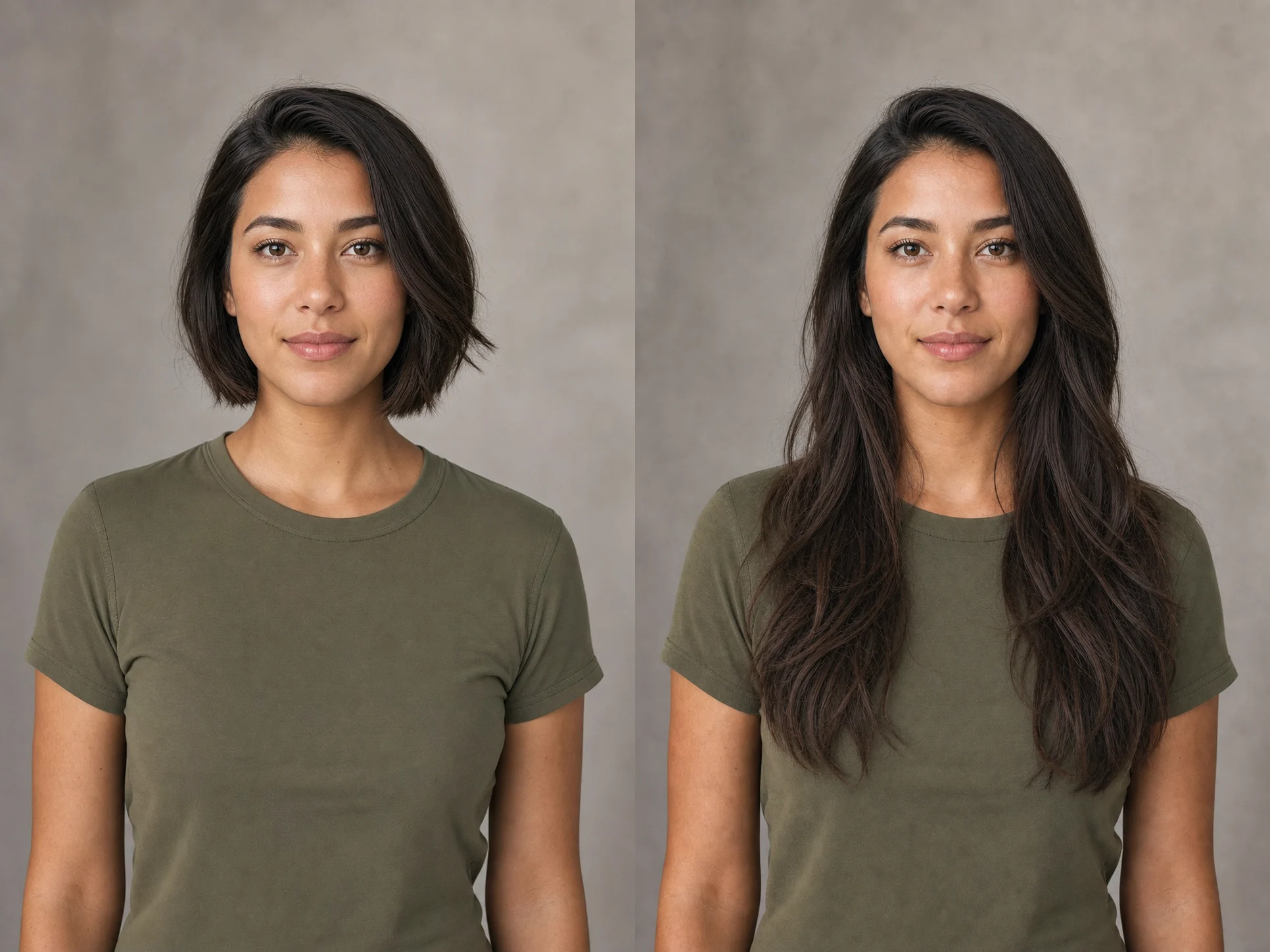
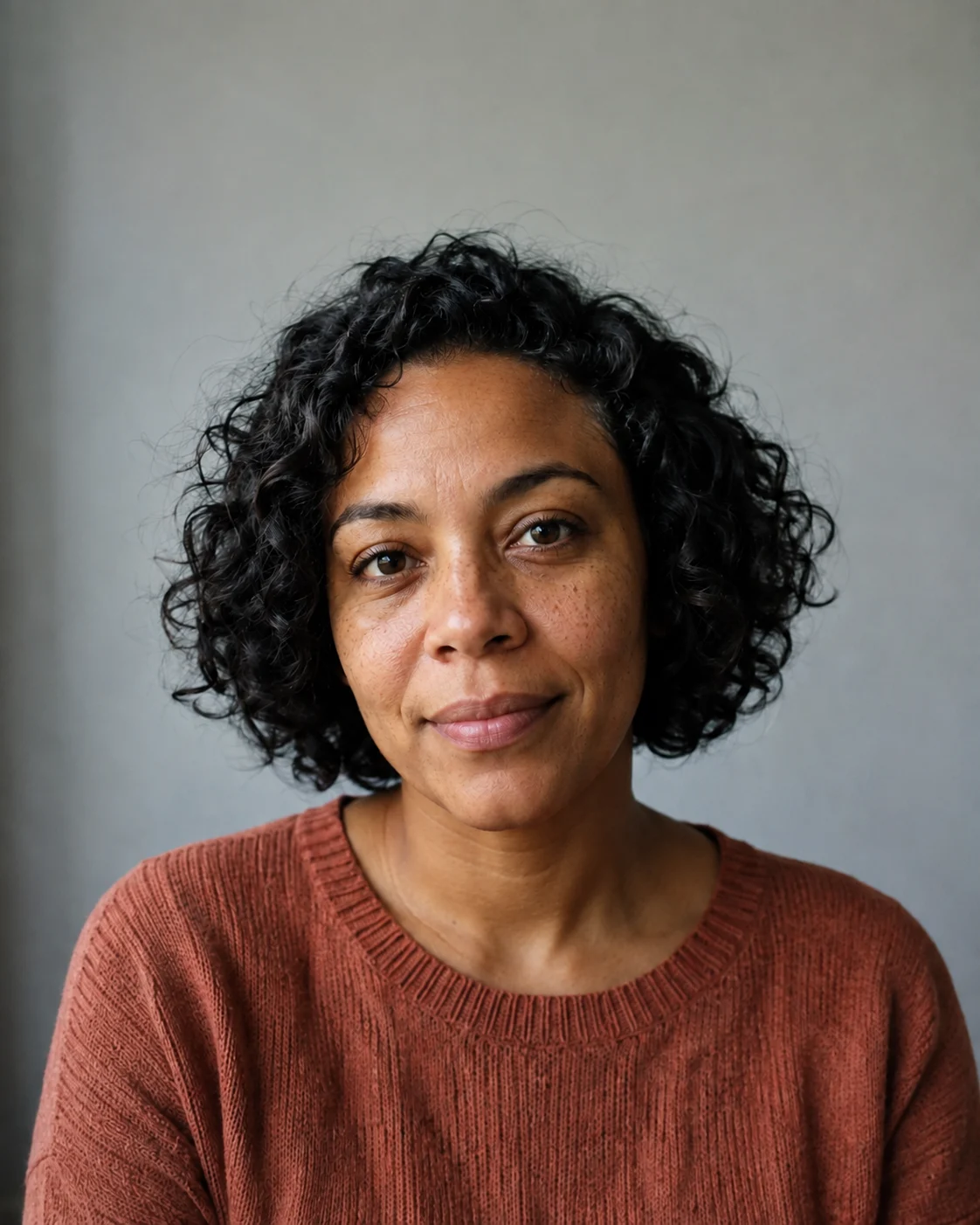
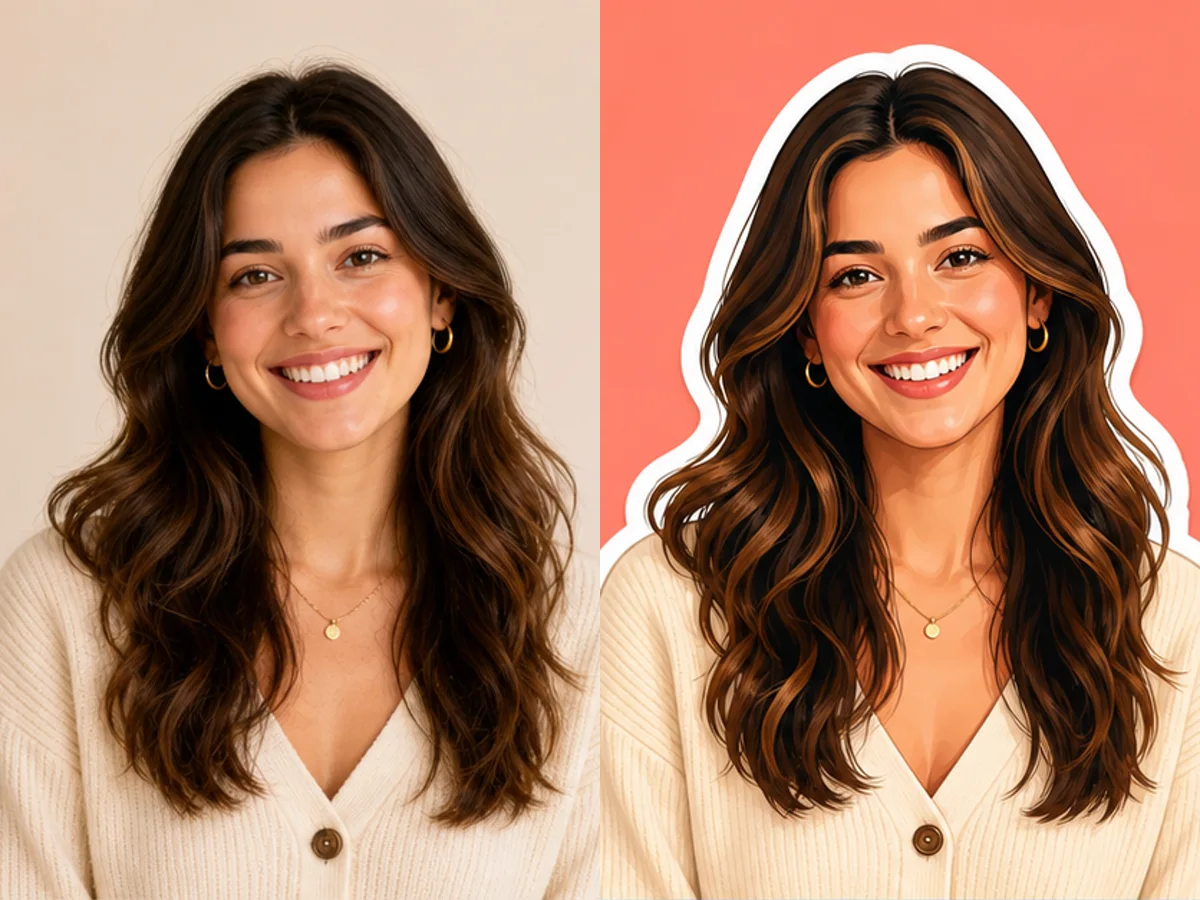
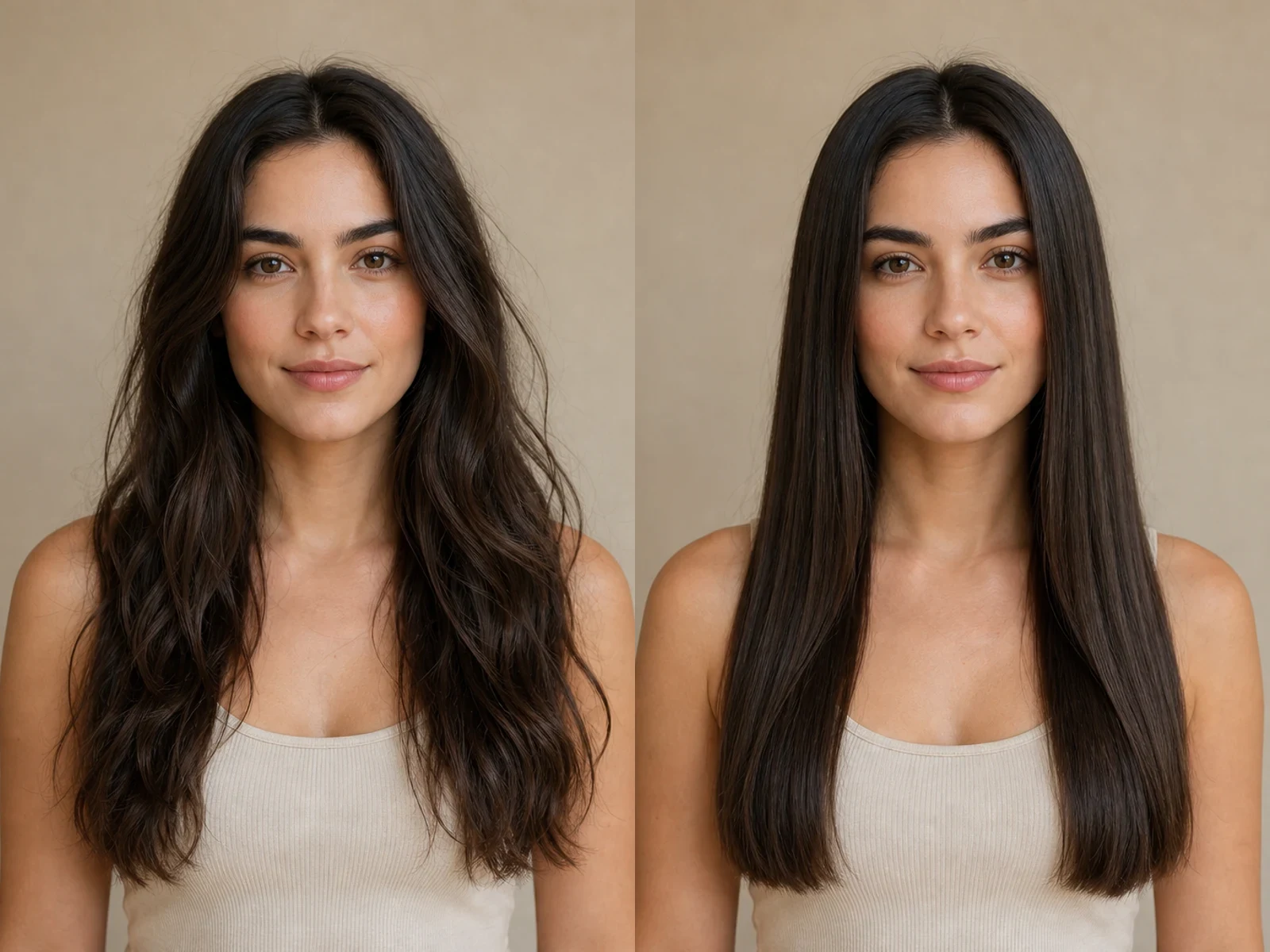
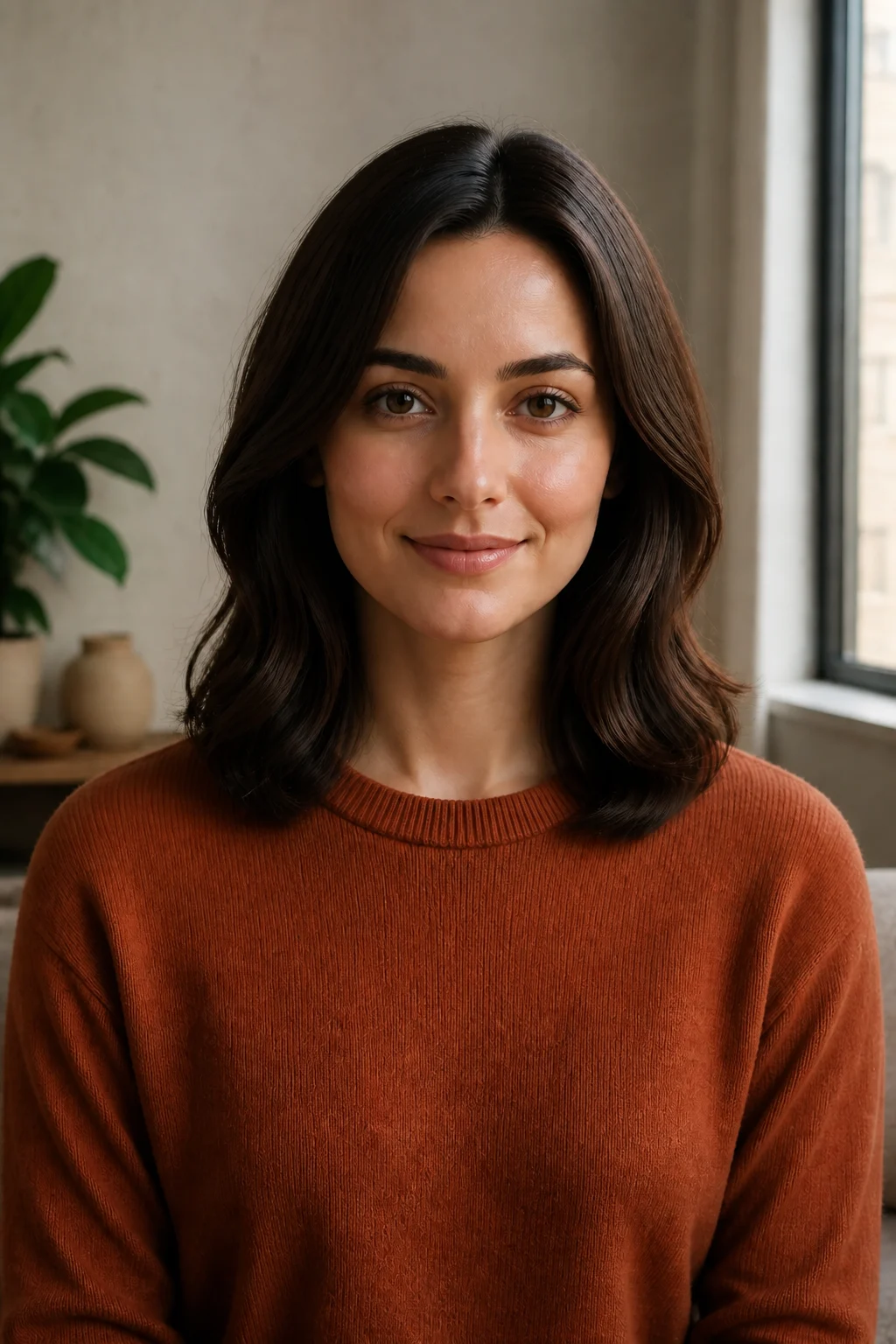
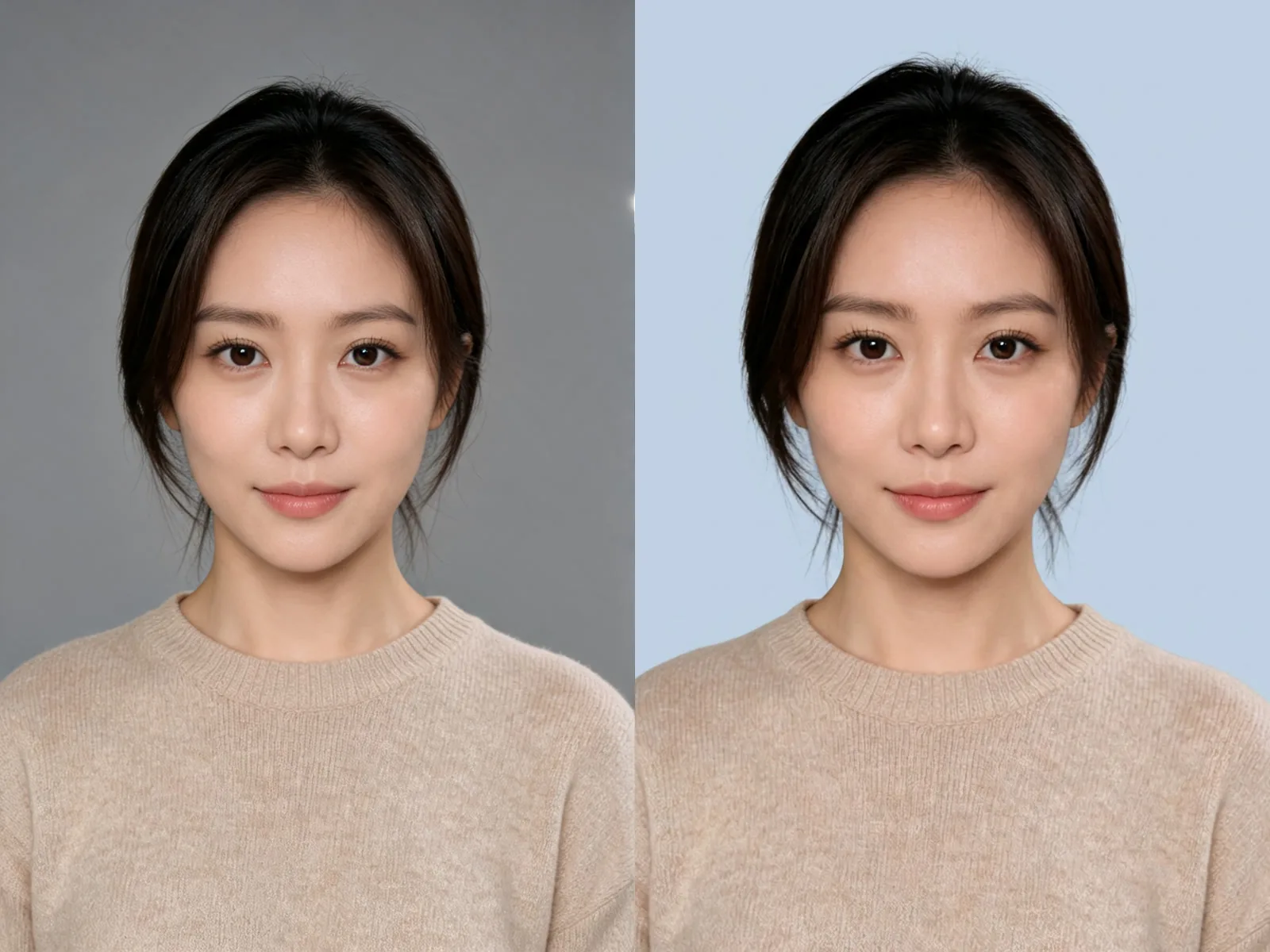
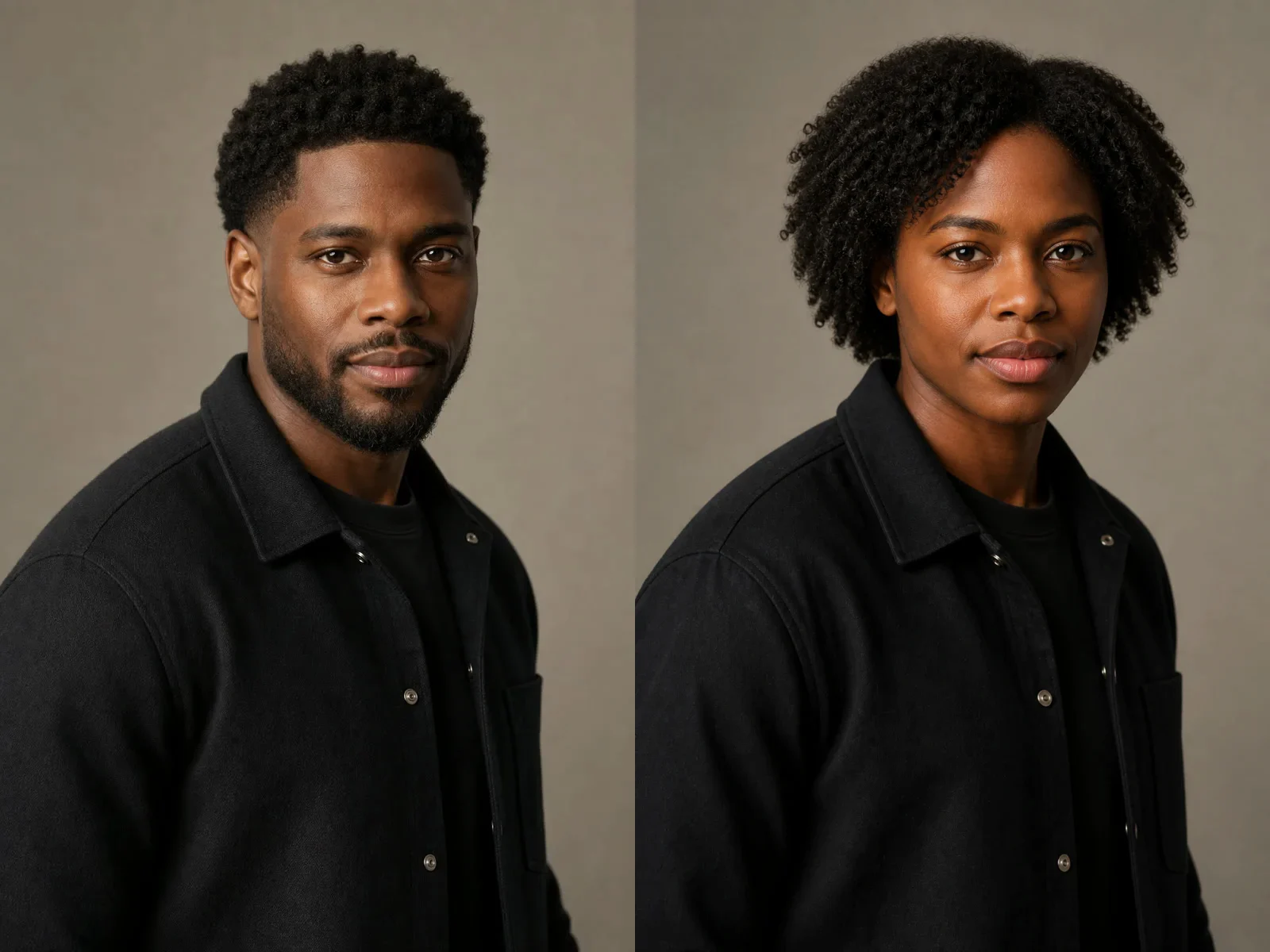
The template asks the model to keep facial structure, age, skin tone, expression, eyebrows, eyes, nose, mouth, ears, clothing, and pose unchanged. Only the hairstyle should move toward the selected short look.
Save up to 73% on plans
Image
Browse every other AI image model and effect published on this site in a continuous carousel.
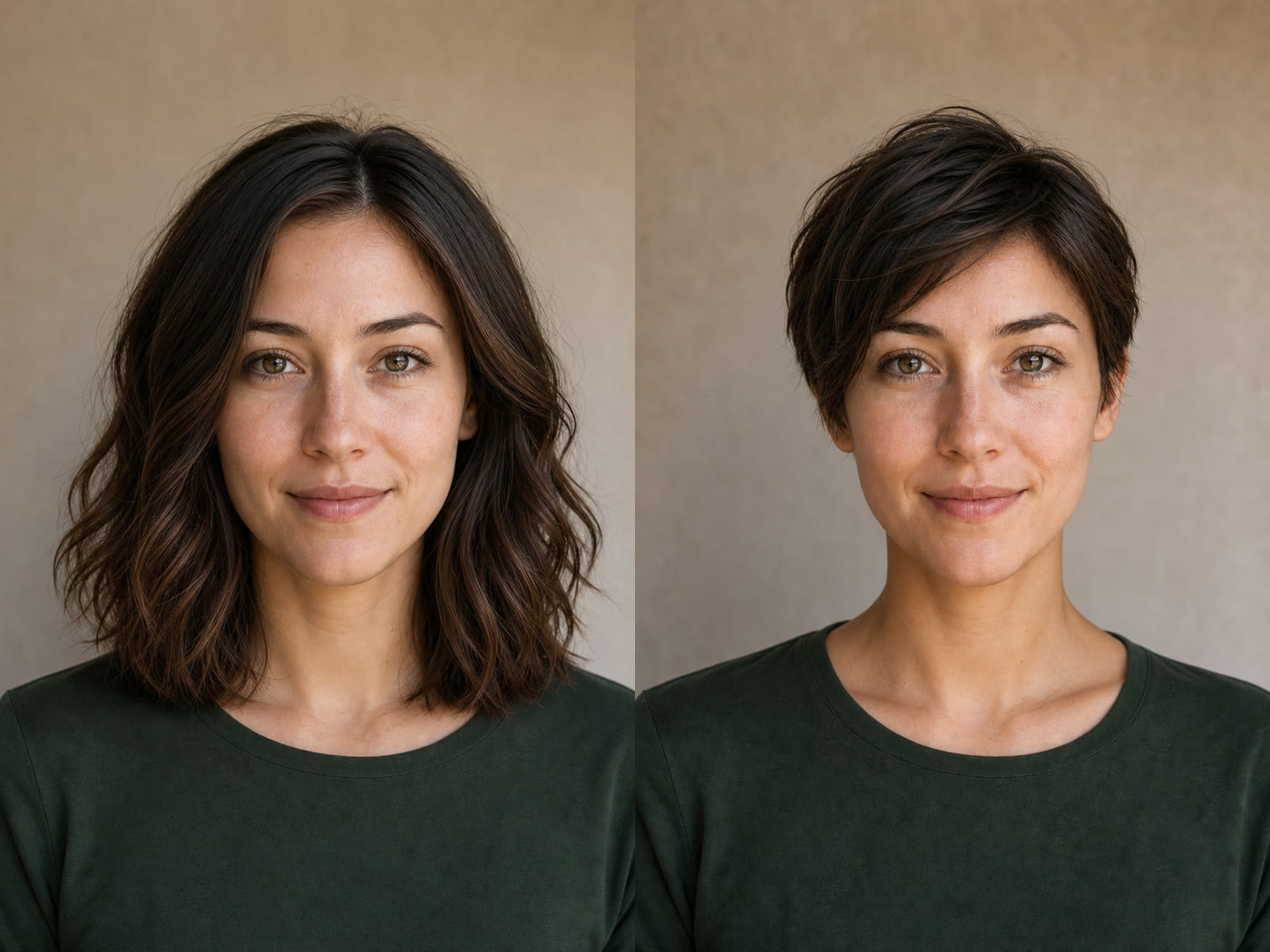
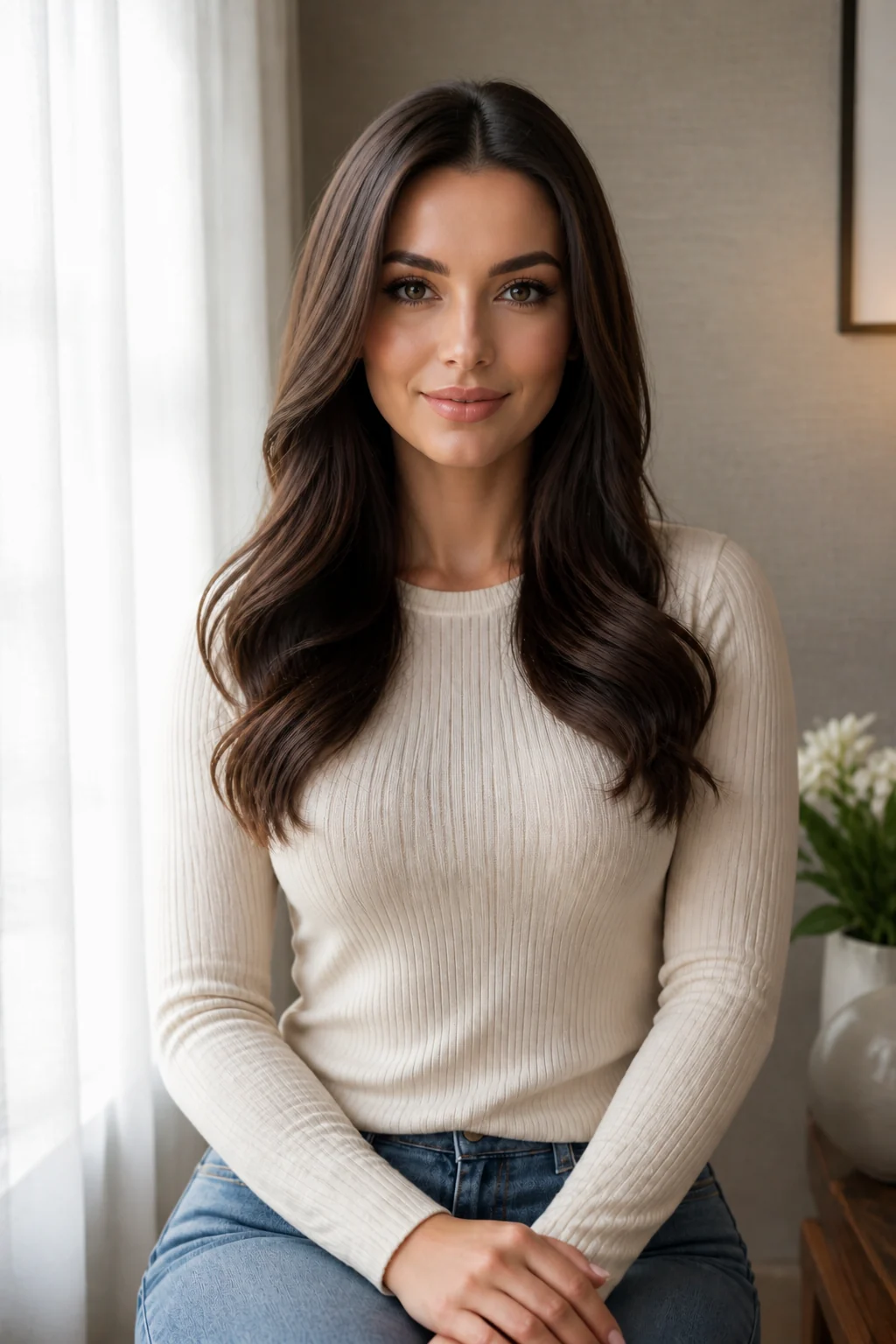
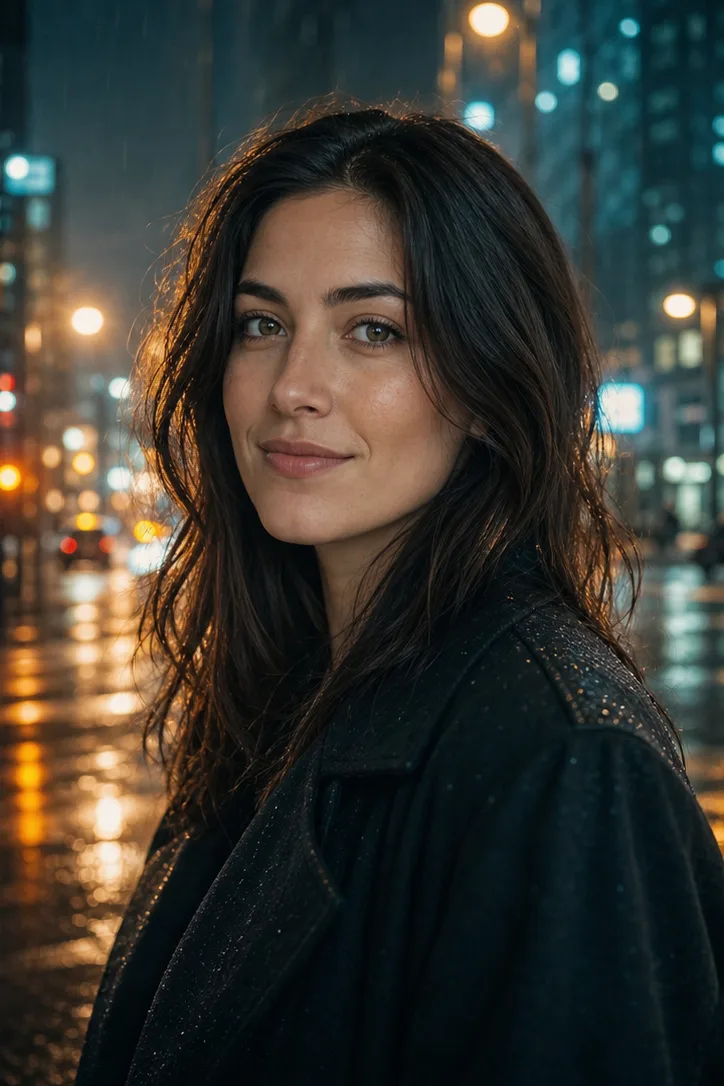
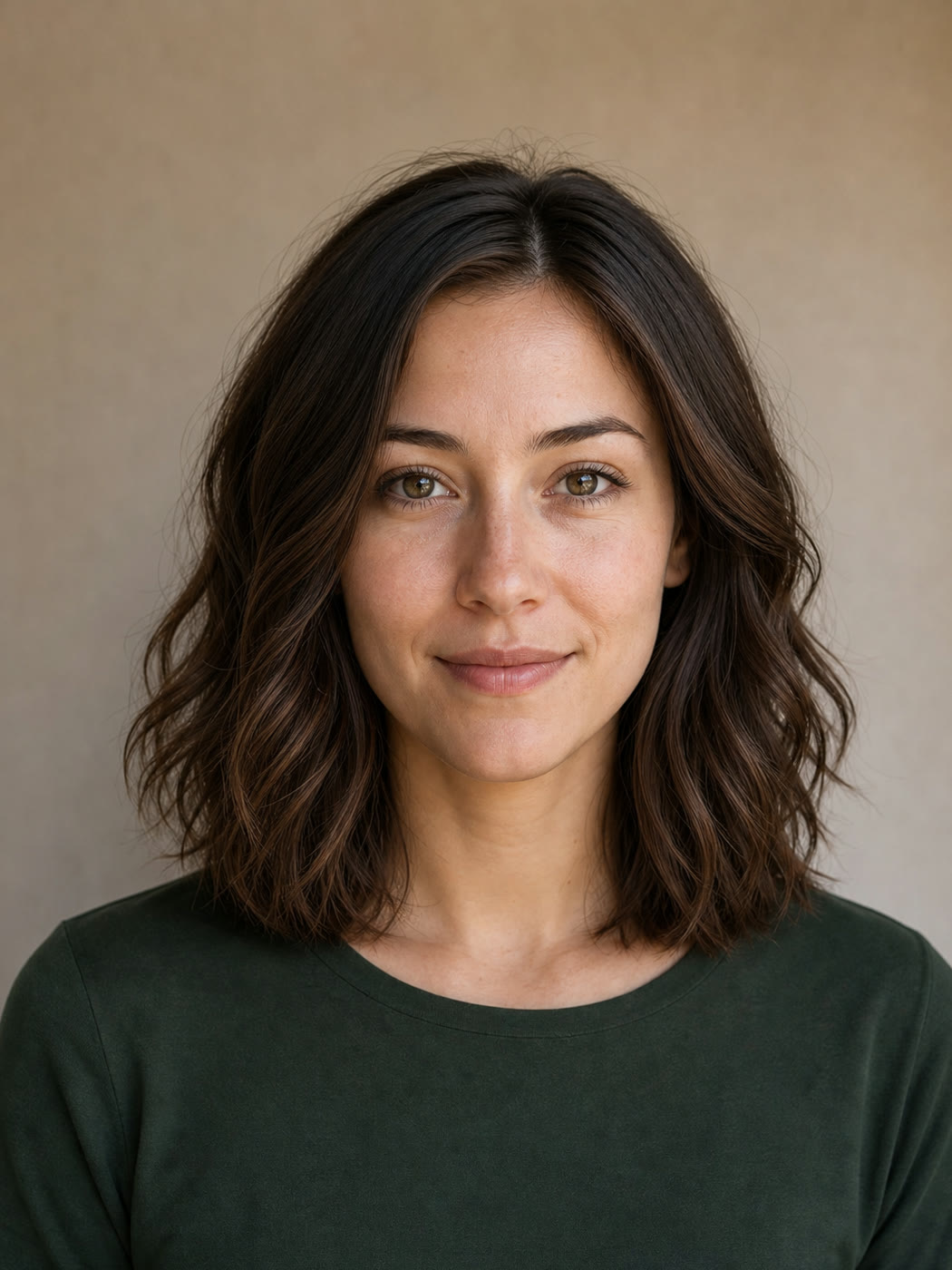
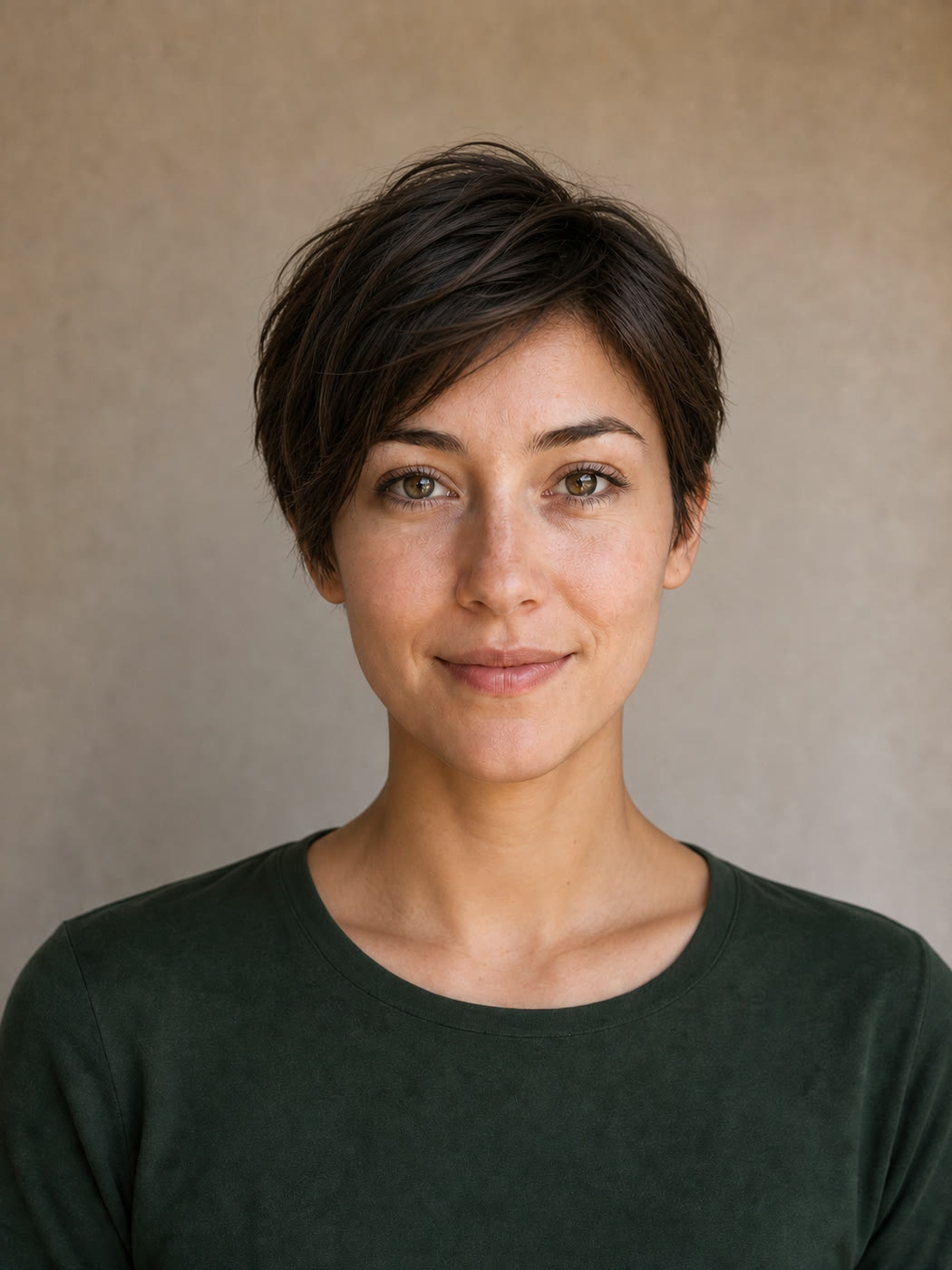
A short haircut can change how the face, jawline, ears, and overall silhouette read, which makes it difficult to judge from a catalog photo alone. NanoPic uses your portrait as the visual reference and changes the hairstyle instead of generating an unrelated model. Choose a textured pixie, French bob, textured crop, or short shag, then compare the result with your original photo. The saved editing instructions protect facial identity, original hair color, expression, clothing, camera angle, light, and background while asking for a believable hairline, individual strands, natural scalp coverage, and matching shadows. The result is a concept preview, not a promise of an exact salon outcome: real hair density, texture, growth pattern, styling technique, and face-to-hair proportions still affect a physical cut.
The tool combines a real portrait reference, four distinct haircut directions, and practical constraints that reduce unrelated edits.
The template asks the model to keep facial structure, age, skin tone, expression, eyebrows, eyes, nose, mouth, ears, clothing, and pose unchanged. Only the hairstyle should move toward the selected short look.
Pixie, French bob, textured crop, and short shag presets describe different lengths, layer patterns, fringe behavior, and neckline shapes instead of offering four vague labels for the same haircut.
Every preset asks for a believable hairline, scalp coverage, strand direction, volume, flyaways, and shadows that fit the original light. It also rejects bald patches, pasted-on edges, and cropped heads.
Start with a saved style prompt, then add one practical preference such as keeping natural waves, adding light fringe, or leaving more crown volume. You do not need to write the full editing instruction yourself.
A useful haircut preview starts with a readable portrait and ends with a careful comparison, not just a quick generation.
Choose a front-facing or gently angled photo with the full head inside the frame. Even light, a sharp face, and visible hair edges help the model understand your current hairline and head shape. Avoid hats, hands covering the hair, severe motion blur, tiny screenshots, beauty filters that reshape the face, or crops that remove the crown. If possible, use a photo where both ears and the neckline are readable because short cuts expose those areas.
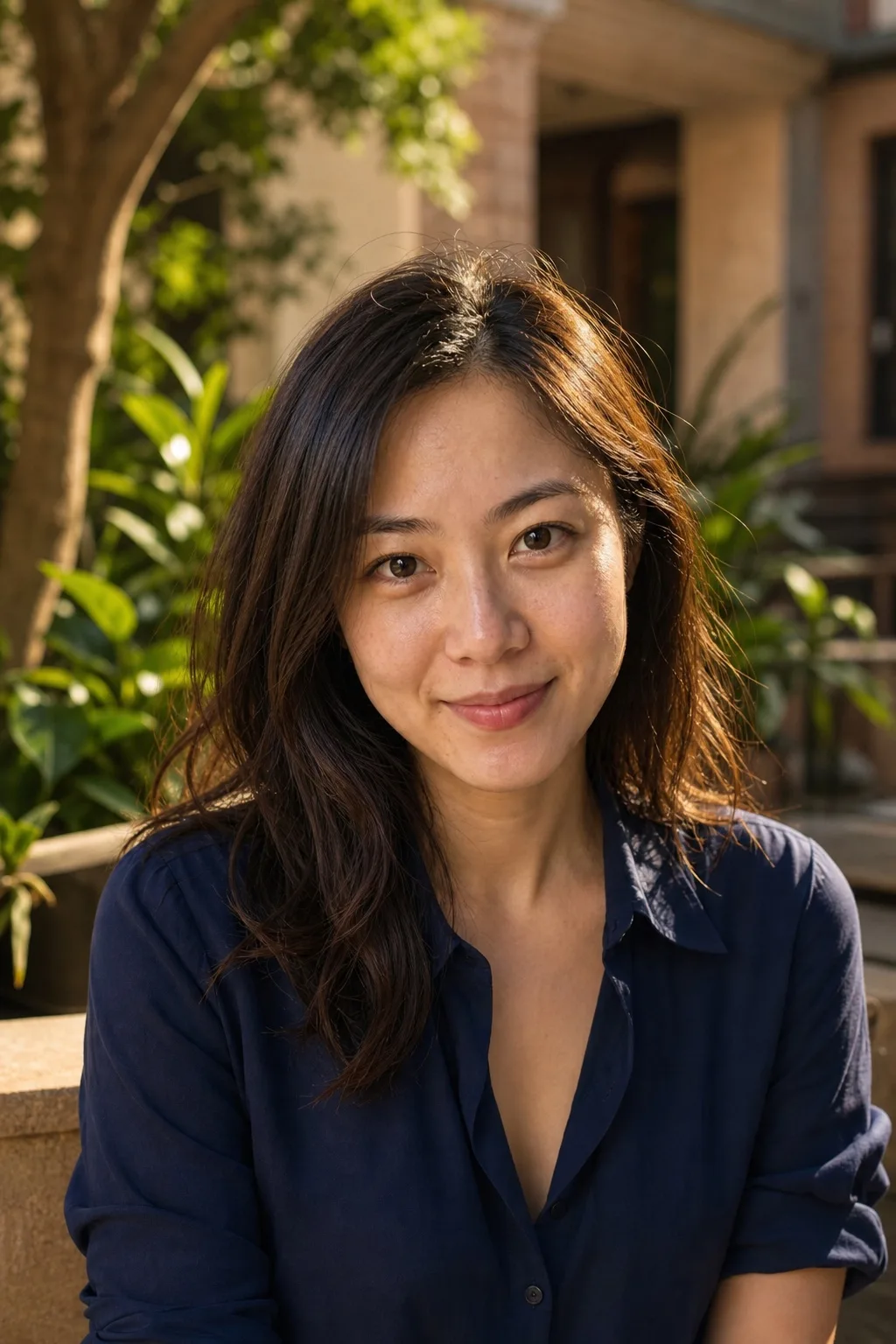
Upload a PortraitUse Textured Pixie for a close tapered silhouette with side-swept movement, French Bob for a polished ear-to-jaw line, Textured Crop for airy short layers, or Short Shag for relaxed layers and wispy fringe. Begin with one preset so the output has a clear structure. Add an optional note only for a real preference, such as retaining waves, avoiding bangs, showing more ear, or keeping extra crown volume.
Choose a Haircut
Place the result beside the original and check the face, jawline, ears, hairline, crown, neckline, and lighting. Confirm that the person still looks recognizable and that the hair sits on the head rather than looking like a pasted wig. If one detail is wrong, keep the same source and preset and add one concise correction. Use the preview as a conversation reference for a stylist, not as an exact prediction of density, shrinkage, maintenance, or how a real cut will grow out.
Generate and CompareTreat each output as a visual direction you can compare, refine, and discuss before committing to a real-world change.
Compare a few short silhouettes on your own face before a consultation. Save the original and preferred preview together so a stylist can see the direction, then discuss what your density, texture, cowlicks, and routine can realistically support.
Explore how a shorter hairstyle changes the outline of a profile picture, creator portrait, or personal brand image. Generate the concept first, then plan a real haircut or photoshoot instead of presenting the preview as documentary photography.
Test whether a pixie, bob, crop, or shag supports a fictional character, costume, or campaign direction while preserving the original clothing and scene. Keep the generated preview labeled as a concept when sharing it with collaborators.
Use the same portrait for several presets so the haircut is the main variable. Comparing one consistent face and background is more useful than comparing unrelated catalog models with different features, poses, and lighting.
Practical answers about source photos, haircut previews, identity preservation, cost, and responsible use.
It is an image-to-image editing workflow that uses your uploaded portrait as a reference and changes the hairstyle toward a short cut. This page provides four saved haircut directions while asking the model to preserve the same face, expression, clothing, pose, light, and background.
You can open the page, upload a sample, and configure the generator without charge. Creating an image uses NanoPic credits. Images made with free credits include the standard free-credit watermark, while paid-credit generations do not include that watermark.
Use a sharp portrait with even light, a visible hairline, the complete crown inside the frame, and limited obstruction around the ears and neck. Avoid hats, heavy blur, extreme angles, clipped hair, and aggressive face filters.
The template explicitly protects facial structure, age, skin tone, expression, eyebrows, eyes, nose, mouth, and ears. Generative edits can still drift, so compare the result carefully and regenerate with one focused correction when a feature changes.
The built-in presets cover a textured pixie, French bob, textured crop, and short shag. Each preset describes a different length, layering pattern, fringe treatment, and neckline. Optional notes can refine natural texture or volume without replacing the safety constraints.
No. It is a visual concept, not a physical simulation or professional haircut recommendation. Real outcomes depend on density, strand texture, curl pattern, cowlicks, shrinkage, styling, maintenance, and the stylist's technique. Bring the preview and original photo to a qualified stylist for practical advice.
The default workflow keeps the original hair color so haircut shape remains the main change. You can add a color request in the optional notes, but evaluating cut and color separately often makes comparison easier and reduces unintended changes.
Use only images you own or have permission to edit. Do not use the tool to impersonate someone, mislead viewers, or make sensitive claims. Label generated concepts appropriately when context could otherwise be confusing.
Upload one clear portrait, pick a distinct short hairstyle, and compare the generated concept with your original before making a real change.