

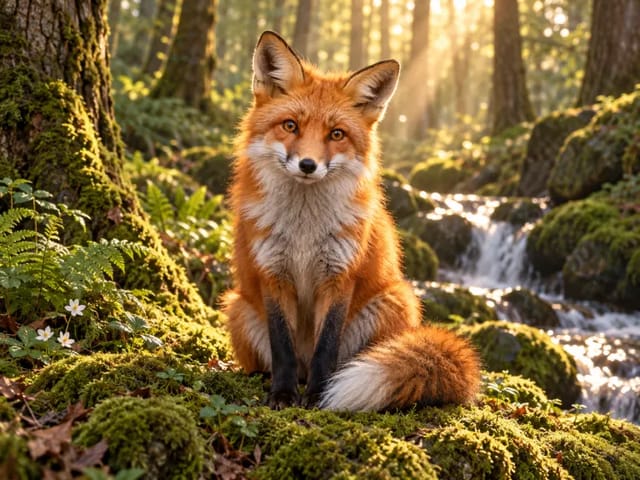




Original block-pixel fox in a forest
The block-built silhouette, legs, eyes, and forest depth remain clear, with no game UI, logo, or readable text. Public showcase visibility was disabled for this generation.
Try My Photo
Save up to 73% on plans
Browse every other AI image model and effect published on this site in a continuous carousel.
This 3:2 example was generated through this page's GPT Image 2 test route. It keeps the test watermark so it cannot be mistaken for a production asset.
The block-built silhouette, legs, eyes, and forest depth remain clear, with no game UI, logo, or readable text. Public showcase visibility was disabled for this generation.
Try My PhotoThis page follows the public product idea of reinterpreting an upload as blocky pixel art. It does not copy competitor prompts, examples, maps, or brand assets. The six choices cover environment, animal, badge, village, fantasy island, and open-ended reference remix.
Decide which subject must remain recognizable, which background relationships matter, and which details may be simplified. Pixel art is not merely a low-resolution filter; it reorganizes silhouette, color clusters, perspective, light, and depth.
Clear block silhouettes, stepped edges, and a restrained palette produce a more coherent result. Asking for realistic micro-texture, dense decoration, and low-resolution pixels at the same time often creates a muddled hybrid.
Generic blocks, pixels, terraces, and cubic vegetation are useful visual language. Do not request named characters, official logos, game UI, exact maps, texture packs, or one-to-one copies of recognizable structures.
Use a complete silhouette without watermarks, severe blur, dense text, or heavy occlusion. People and animals need a full head and important limbs; architecture and landscapes need a readable horizon and depth structure.
Use one card as the structural starting point, then replace subject, palette, time of day, weather, and essential details. Do not combine all six directions. Keep the editable prompt under 4,000 characters.
Inspect subject recognition, contour continuity, block scale, perspective, limbs, ground contact, shadows, and frame edges. A result that merely adds mosaic noise without rebuilding forms does not pass as useful block art.
Faces, animal legs, openings in buildings, and vehicle structure can collapse during simplification. Open the full file and reject extra limbs, floating construction, unreadable silhouettes, and broken perspective.
Random letters and logo-like shapes often appear in stylized images. Zoom into signs, flags, clothing, and borders. When no text was requested, unexpected characters are a reason to reject or revise the output.
Only use images you own or are authorized to edit. Independently review the output for protected elements or excessive similarity. AI generation does not automatically grant permission to publish every result.
The cabin, village, and mushroom-island directions depend on readable ground, path, water, horizon, and depth layers. A generic request for pixel style may only add noise. Preserve the subject placement, then define terrace shapes, block scale, palette, and light direction.
A forest fox or pet remix should retain eyes, muzzle, ears, four limbs, and believable ground contact. Block simplification may reduce fur detail, but it must not erase legs, detach the tail, or turn the face into meaningless pixels.
A badge behaves more like flat design: central silhouette, limited palette, deliberate symmetry or asymmetry, and safe margins. Generate the graphic without words first, then add exact lettering in a design tool when typography matters.
No. It is an unofficial NanoPic block-pixel photo workflow with no affiliation, sponsorship, or endorsement from Mojang or Microsoft. It does not use official logos, characters, UI, or maps.
It uses NanoPic’s existing GPT Image 2 image-to-image route, currently mapped to Replicate model openai/gpt-image-2. A competitor field is not treated as proof of NanoPic’s supplier.
No. Each card shows an original editable prompt. Use loads that prompt and its allowed canvas setting into the generator so you can inspect and revise it before submission.
Do not request one-to-one copies of maps, characters, buildings, texture packs, logos, or game UI. Use generic block and pixel language to create an original scene.
Copying and editing prompts do not use credits. Submitting a generation uses the estimate shown by the page, and each retry is a separate request.
Choose one direction, adapt the prompt, check the credit estimate, then generate and inspect the full output.
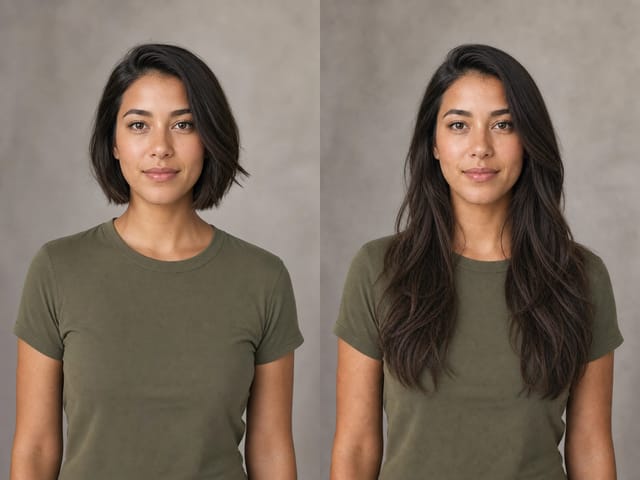
80s Photo Filter adds warm, faded film color to your photo in the browser. Adjust strength, preserve clothing and framing, and download a PNG.
Open tool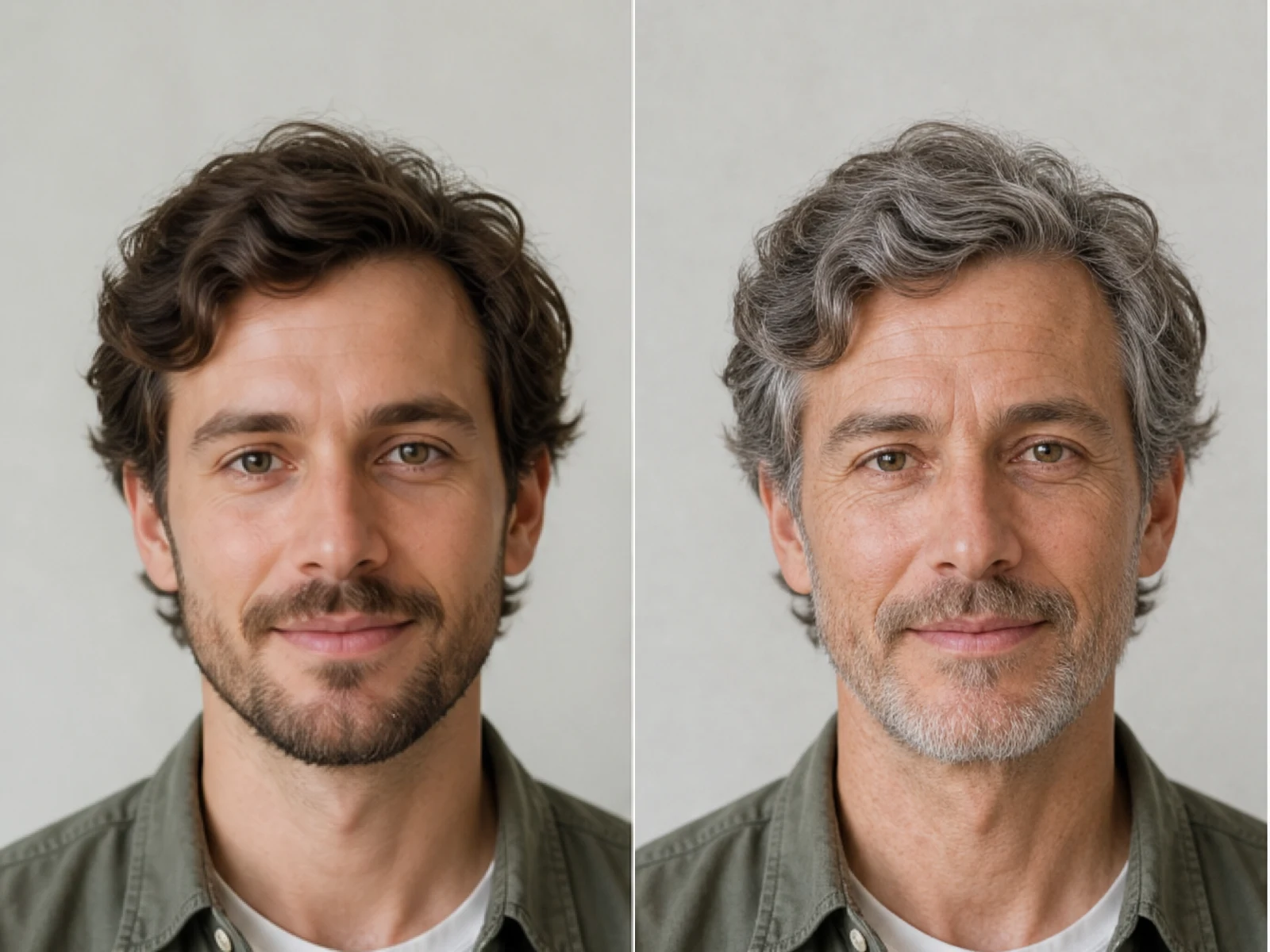
AI Age Filter creates a natural older-look concept from an authorized adult portrait. Review identity, complete-head framing, light and scene after editing.
Open tool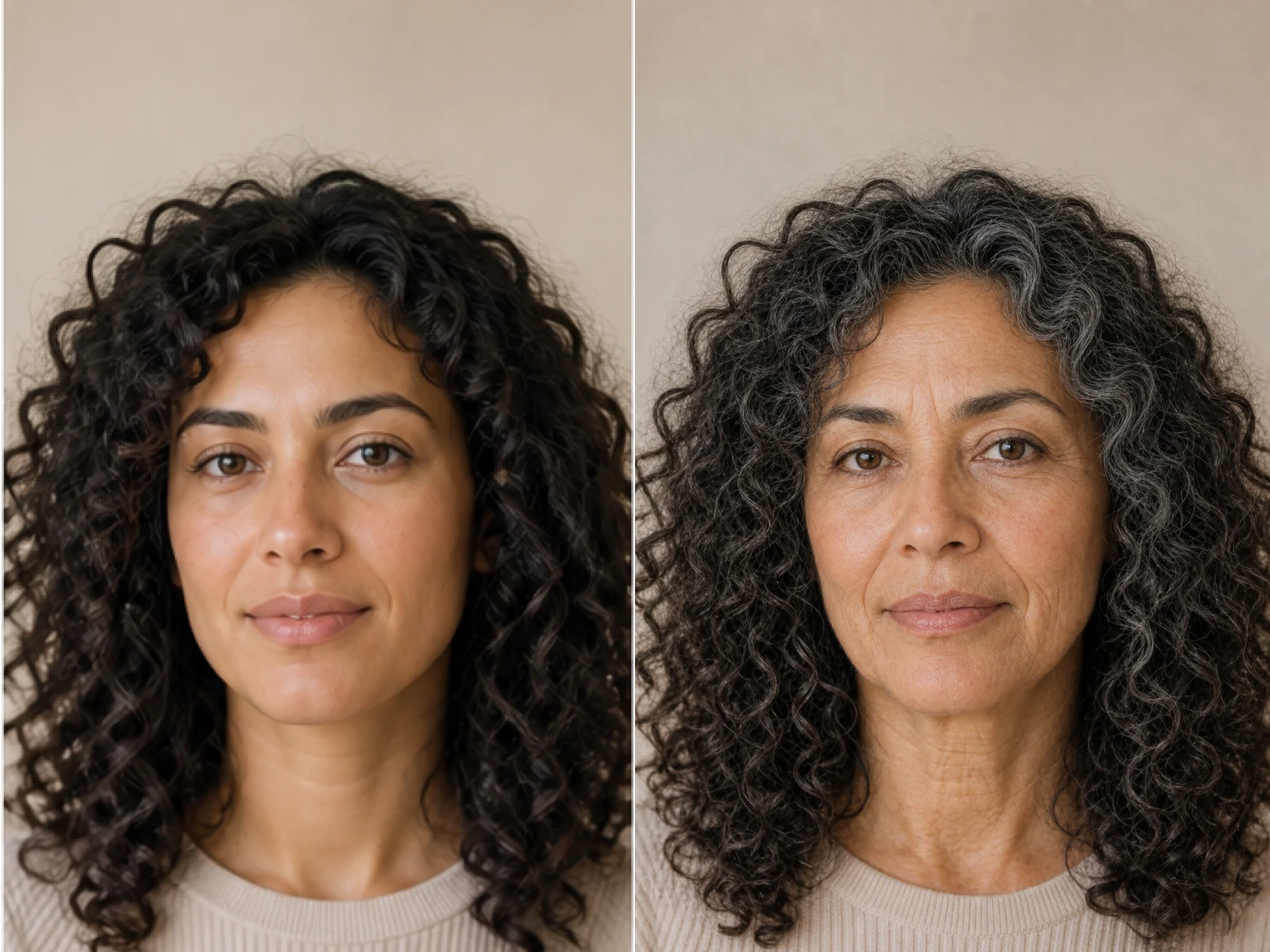
AI Age Progression creates a target-age concept from an authorized adult portrait. Set an age interval and review identity, framing and scene after editing.
Open tool
AI Labubu Generator helps explore your own monster doll concept from an authorized reference. Create original shapes and outfits, with no official affiliation.
Open tool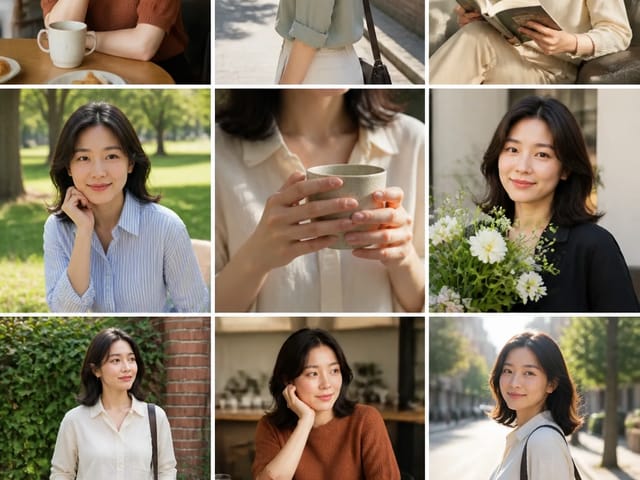
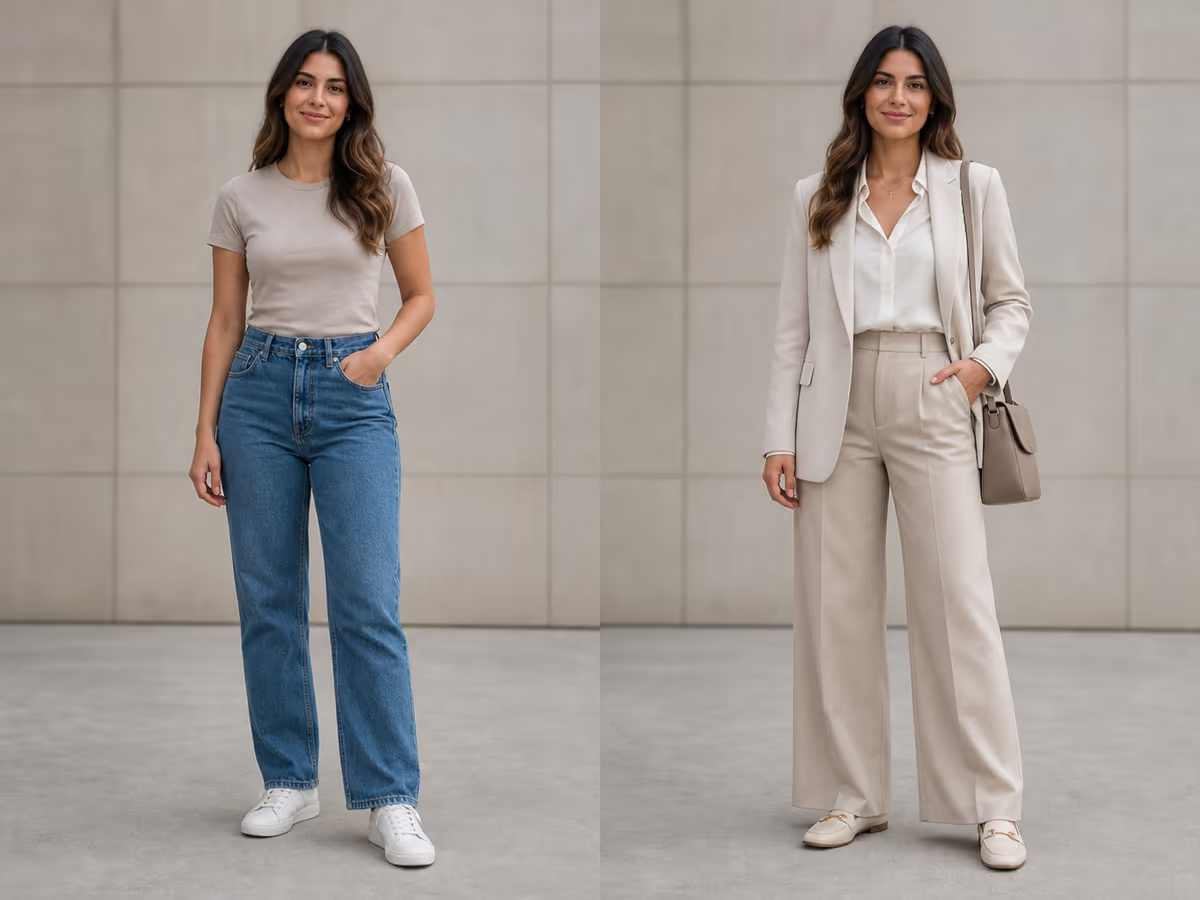
Camera Roll AI turns an authorized reference photo into one lifestyle collage. Plan varied scenes and a phone-gallery-inspired layout, then save one image.
Open tool
Face in Hole Generator places an authorized face into your chosen photo or template. Upload two references, refine the blend, and save a creative portrait.
Open tool
Explore a Hotpot AI alternative with NanoPic’s independent Seedream 5.0 editor. Upload a reference, direct a visual concept, and review your image.
Open tool
Make Image Higher Resolution with real 2× or 4× browser resizing. Compare pixel dimensions and download PNG without claiming recovered detail.
Open tool
Remove Glare from Glasses in photos with an editable AI image prompt. Upload your portrait, reduce lens reflections, and review the result before using it.
Open toolTurn one authorized adult portrait into a realistic flashlight scene with a miniature stylized double. Generate, then inspect identity, hands, light, scale, and crop.
Open toolTry 12 original funny AI prompts on one authorized person or pet photo. Load, edit, generate, and review identity, anatomy, props, text, and visual coherence.
Open tool