














































































































Flux 3 AI Image Generator
Sign In
CreditsCost

Flux 3 AI Image Generator

Flux 3

Abstract creative background for the Flux 3 model preview

Explore the Flux 3 Image Generation Direction

NanoPic created this Flux 3 preview page for people researching the next Flux image model. The name and editorial content follow that search intent, while every generation request currently uses the closest reviewed production option: the Flux 2 Flex compatibility route. This gives you a usable prompt workspace today without presenting an unavailable API as a finished integration.

Flux 3 Availability on NanoPic

The public Flux 3 API contract has not been verified by NanoPic. Until an official provider documents and passes the required endpoint, payload, pricing, and live generation checks, this page remains a compatibility preview rather than a native Flux 3 integration.

New model name, reviewed execution path

The generator displays Flux 3 so the page matches the model topic you came to research. At submission time, NanoPic resolves that display name to the existing Flux 2 Flex provider model. The fallback is explicit here and in the FAQ so output is not misrepresented as verified Flux 3 output.


No speculative capability promises

This page does not copy rumored limits, benchmark claims, pricing, architecture details, or release dates. Those details can change before a provider makes the production API available, so the page focuses on the controls that the compatibility route can actually execute.

Designed for a safe future switch

The user-facing model name is separate from the provider model ID. After a native Flux 3 route is documented and passes NanoPic's UI and provider task smoke tests, the routing configuration can change without replacing the canonical page or its internal links.

What You Can Do in the Flux 3 Preview Generator

Use the current workflow for practical prompt exploration while keeping the compatibility boundary clear.

Draft detailed text-to-image prompts

Describe the subject, environment, lighting, camera perspective, palette, materials, and mood in one focused prompt. A clear creative brief is more useful than a long list of conflicting adjectives, especially when you need repeatable product, editorial, concept-art, or campaign directions.

Review composition before production

Use the generated image as a direction check. Inspect focal hierarchy, subject placement, hands and faces, readable text, brand details, and edge artifacts before deciding whether a concept is suitable for a final asset or needs another prompt iteration.

Keep provider behavior predictable

The compatibility route inherits the known cost and request behavior of Flux 2 Flex. NanoPic does not silently send the request to an untested model ID, and it will not label this route native until the actual provider task can be proven end to end.

How to Use the Flux 3 Preview Page

Move from a search-driven idea to a reviewed compatibility output in three steps.

1. Write one visual objective

Begin with the image's job: a product hero, cinematic portrait, poster concept, editorial illustration, or environment study. Add one subject, one setting, one lighting direction, and one composition choice. This keeps the first result easy to evaluate.

Open Generator
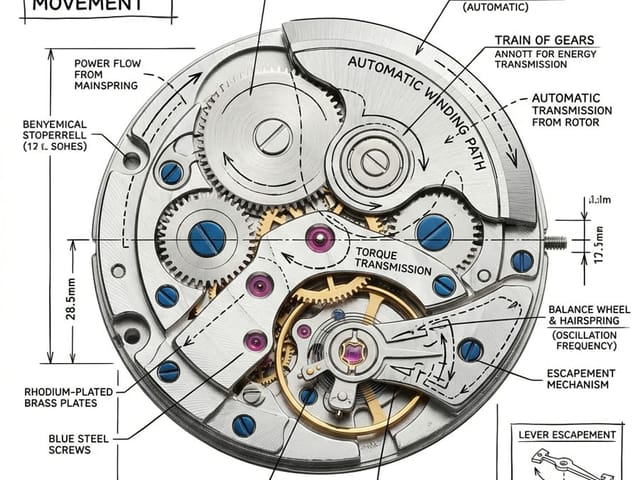
Prompt planning interface for the Flux 3 preview

2. Generate through the compatibility route

Submit the prompt after checking the displayed credit cost. NanoPic keeps the Flux 3 display name in the page experience, then resolves the task to Flux 2 Flex for the actual provider call. The generated file therefore demonstrates the current fallback workflow, not a native Flux 3 benchmark.

Start a Draft
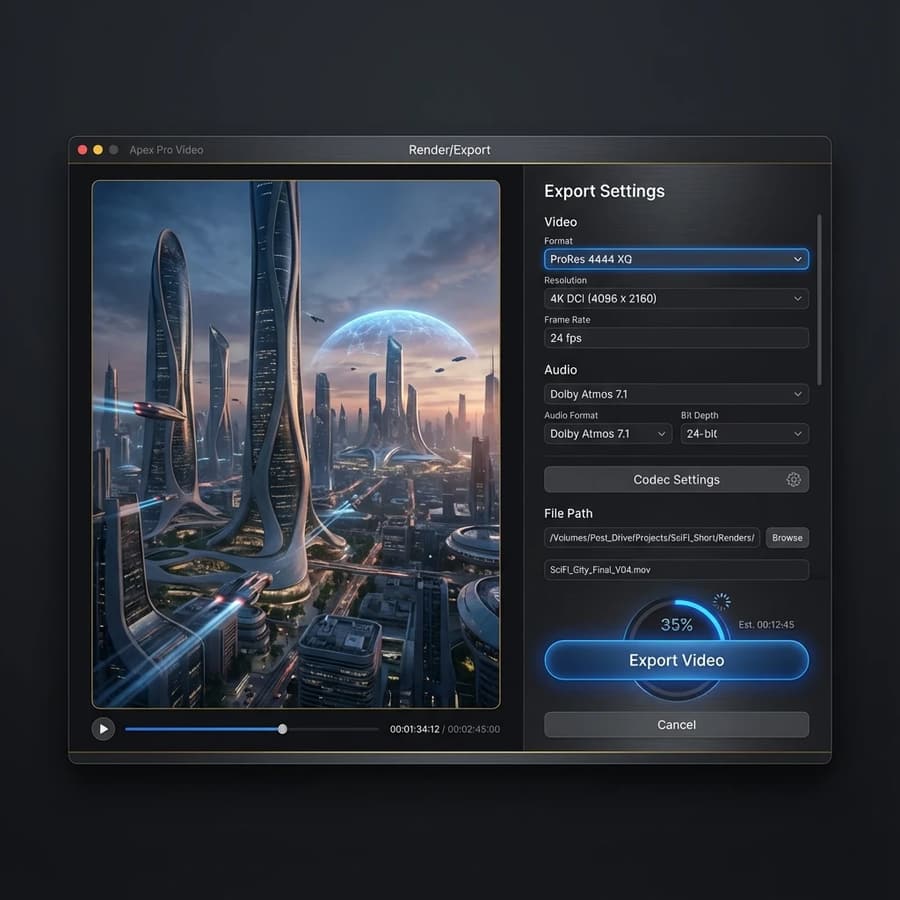
Reviewed image generation controls used by the compatibility route

3. Inspect and refine

Review the result at full size. Keep the prompt elements that worked, then change only one or two variables such as camera height, background complexity, material finish, or color temperature. Controlled iterations make it easier to understand why a later image improved.

Refine Prompt
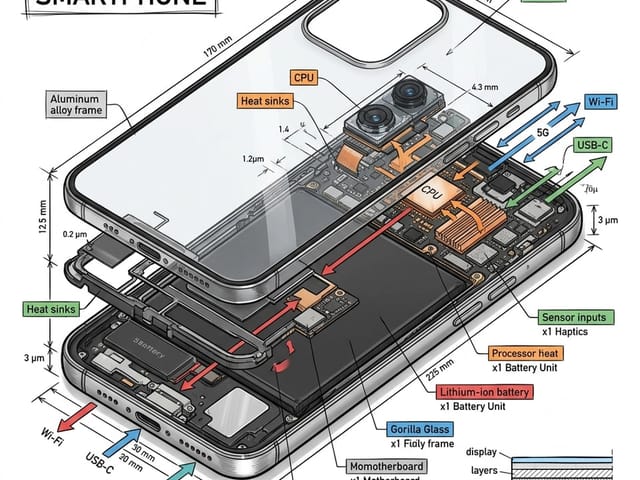
Creative output review step for the Flux 3 preview

Useful Flux 3 Preview Ideas

The compatibility workflow is best treated as an ideation surface, not evidence of unverified future-model performance.

Campaign and product concepts

Explore lighting, background, composition, and material directions before a photo shoot or a higher-cost production pass. Verify product geometry, packaging text, and brand marks manually before publication.

Editorial and poster studies

Test visual hierarchy, headline placement, color systems, and image mood. Treat generated typography as a draft because image models can still invent, distort, or omit small text.

Concept art and mood exploration

Compare environments, costumes, props, lighting, and lens language for a larger project. Save the prompt with the output so collaborators understand which direction was intentionally tested.

Flux 3 AI Image Generator FAQ

Straight answers about NanoPic's current preview implementation.

Is this a native Flux 3 API integration?

No. NanoPic has not verified an official production Flux 3 API contract. The page is a Flux 3 SEO and product preview, and generation currently uses the Flux 2 Flex compatibility route.

Why does the generator display Flux 3?

The display name matches the model topic and keeps the page ready for a later native route. Provider routing is configured separately, allowing NanoPic to use the closest reviewed model today and switch only after the new endpoint passes real validation.

Are these images proof of Flux 3 quality?

No. Any image created before the native route is enabled is an output from Flux 2 Flex. Use it to evaluate the current NanoPic workflow, not to compare or benchmark an unverified future model.

What should I include in a prompt?

State the subject, setting, composition, camera or illustration style, lighting, palette, material details, and exclusions. Keep the main request coherent and review text, faces, products, and factual details before publishing.

When will NanoPic switch to a native route?

Only after a provider publishes the exact model ID and request contract, NanoPic confirms pricing and controls, and a real UI submission returns a successful provider task and usable output.

Try the Flux 3 Preview Workflow

Explore the new model topic with a practical generator while NanoPic keeps the underlying compatibility route transparent.