


































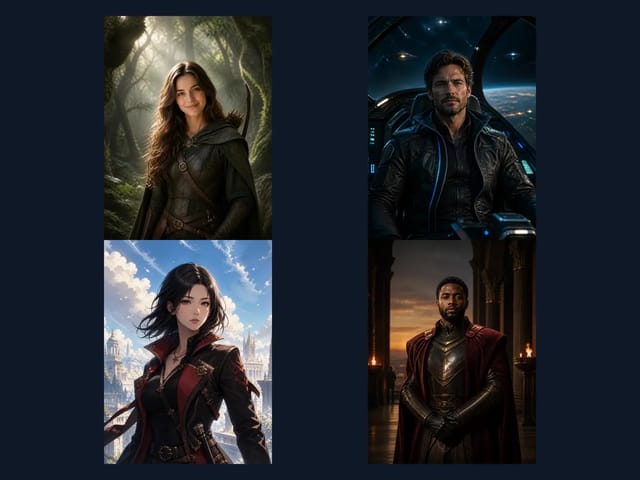





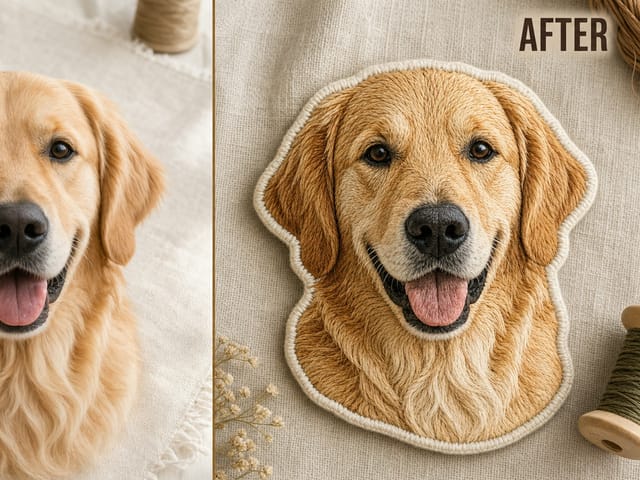
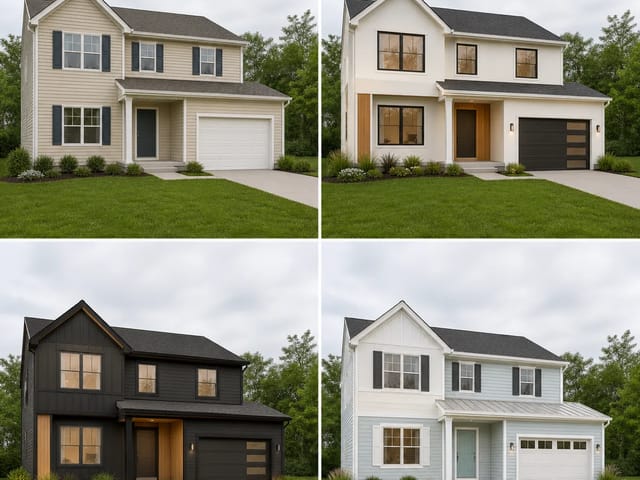





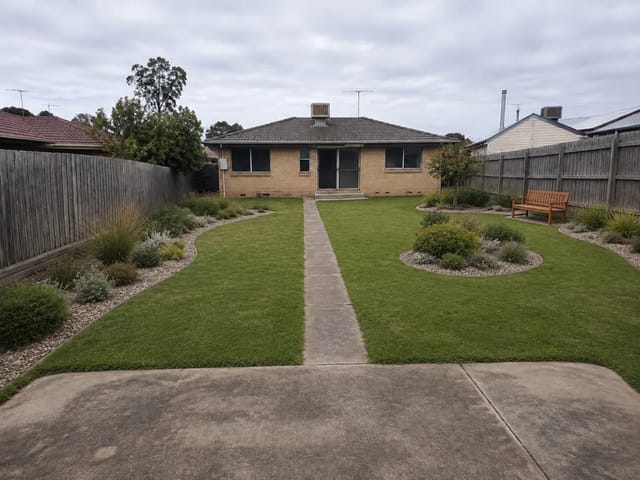



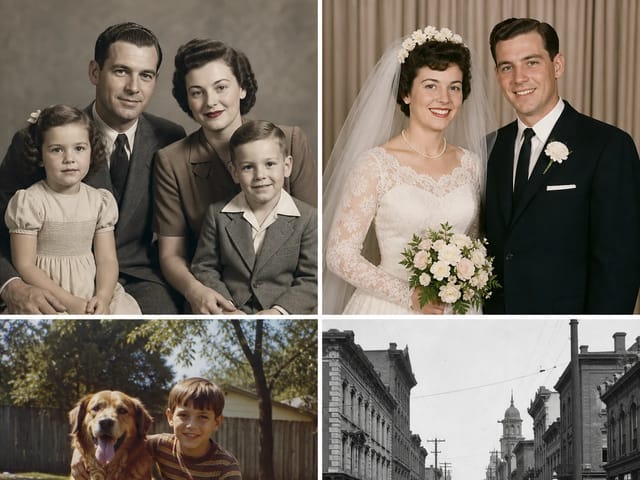
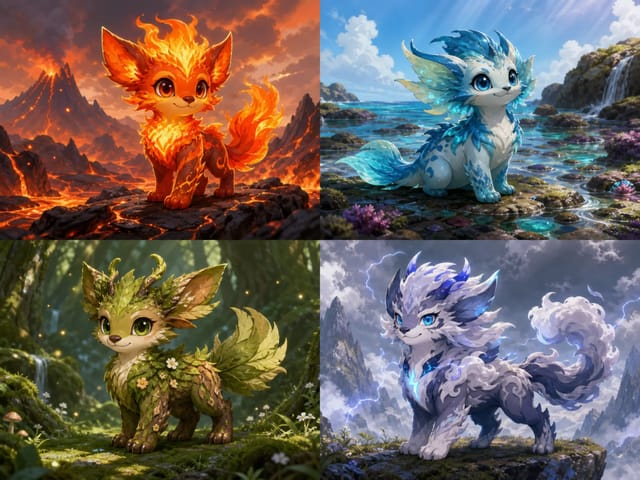

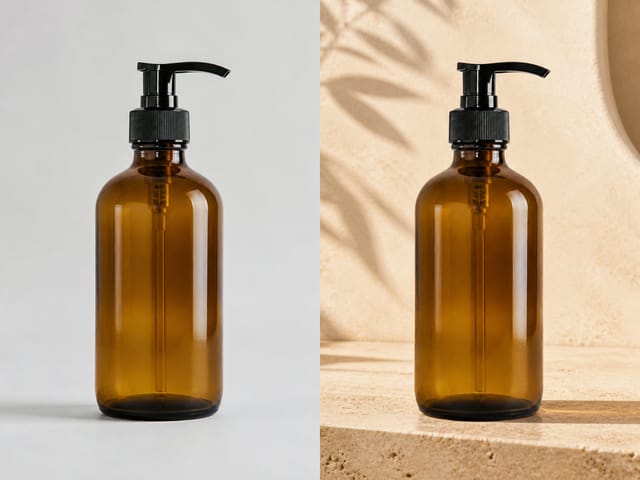





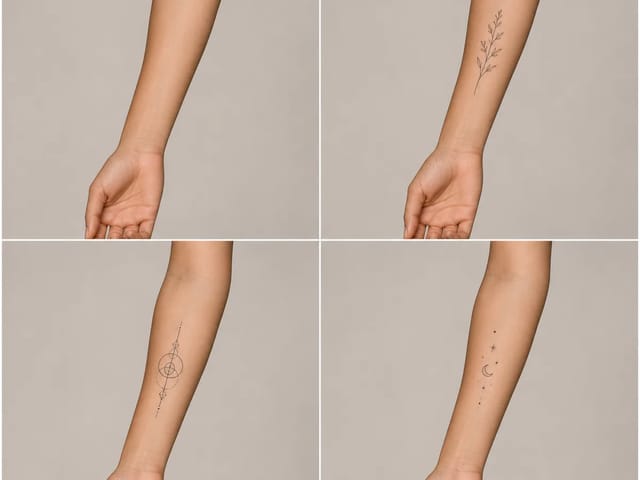






















Nano Banana 2 Prompt Architecture
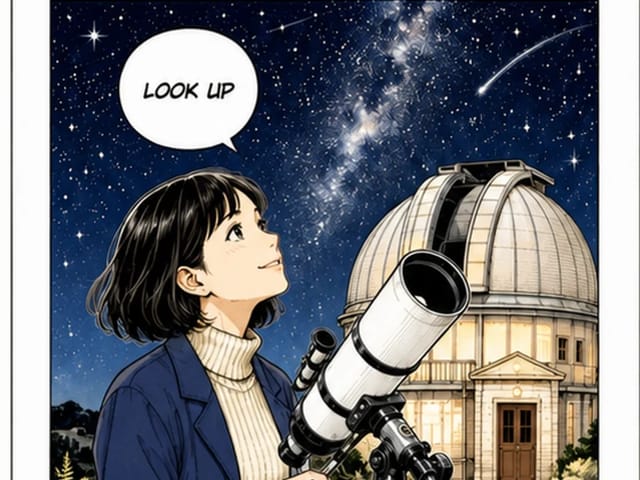
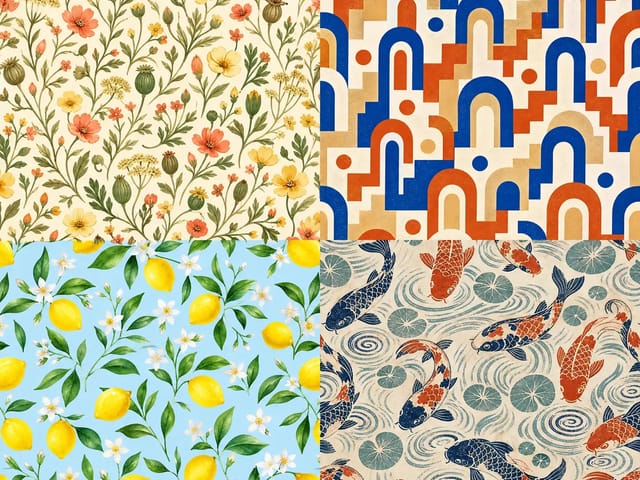
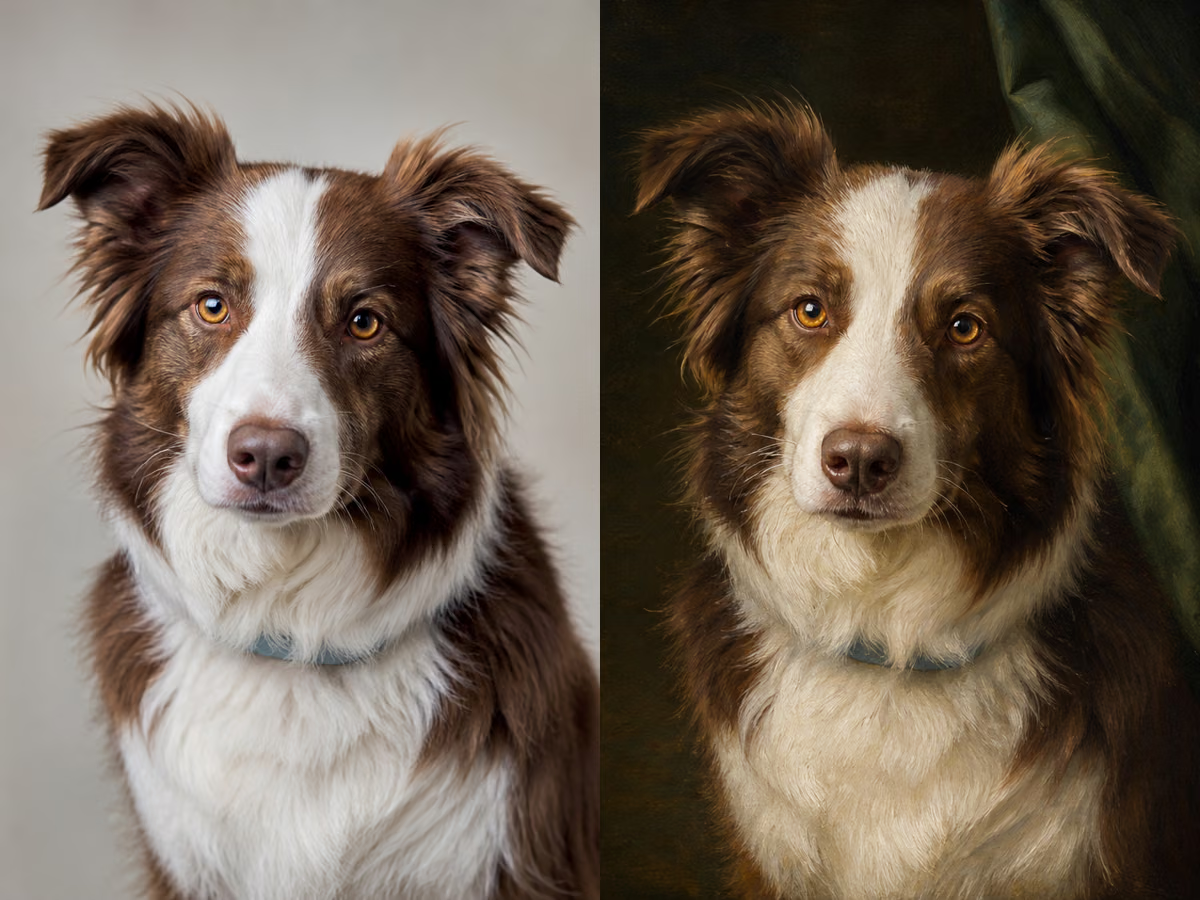
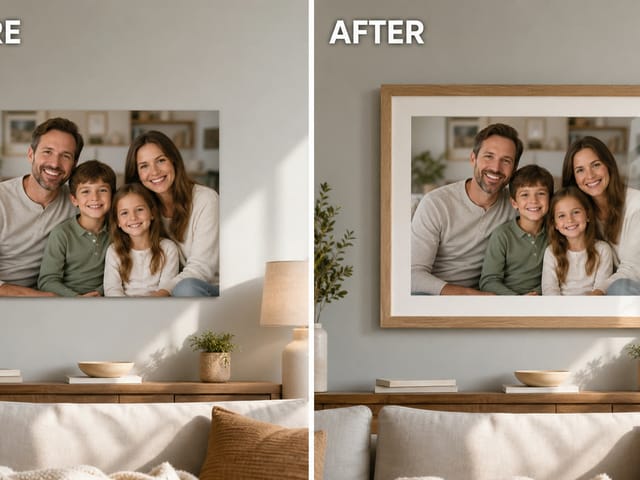
Use a six-part structure: objective, subject, action, environment, style, constraints. This reduces ambiguity and improves first-pass quality.
Save up to 73% on plans

Teams searching this keyword usually want reliable output they can ship. This page gives you a practical workflow focused on prompt structure, controlled revisions, and handoff consistency. The backend follows the active Nano Banana 2 routing config, so provider and pricing can change without code changes. Define objective first, lock subject second, then expand style and mood. Keep version tags for each iteration so design, growth, and content owners can compare results with evidence instead of memory. For campaigns, create one master prompt and branch variants by channel intent. This keeps brand voice stable while still providing enough diversity for testing.
Nano Banana 2

AI output preview
Browse every other AI image model and effect published on this site in a continuous carousel.
A method-first setup that runs on the current model integration.
Use a six-part structure: objective, subject, action, environment, style, constraints. This reduces ambiguity and improves first-pass quality.
Revise one variable at a time, such as lighting or layout density. Small deltas preserve successful structure and speed up approval.
Assign each reference image a single role, for example composition, texture, or color mood. Clear roles produce cleaner merges.
How to apply the process in growth, brand, and content operations.
Start with conversion intent, audience, and message priority before artistic language. This order improves CTA visibility and keeps key objects readable in multiple crops. For hero sections, request strong depth separation and clear negative space near headline zones. Keep one baseline style profile and vary only one visual axis per section to avoid noisy transitions.
Build Workflow
Build one master prompt and create channel variants by modifying placement pressure, emotional intensity, and detail complexity. Keep subject identity, palette anchors, and core framing stable across outputs. For paid social, request fast visual impact and clear silhouette. For web banners, prioritize hierarchy and whitespace for copy overlays.
Create Variants
After stakeholder review, convert feedback into precise change tickets instead of broad rewrites. Typical instructions include raise subject contrast, simplify background geometry, move focal point, or soften highlight clipping. Preserve approved aspects by stating what must remain unchanged. This shortens feedback loops and prevents regression in later rounds.
Refine OutputStore reusable prompt templates, naming rules, and rejection criteria in one shared guide. Add examples of accepted and rejected outcomes so onboarding becomes faster. Require every handoff to include prompt version, references used, and purpose of each iteration. This protects quality when workload scales or contributors rotate.
Standardize TeamWhy this process is useful even before a new endpoint appears.
Structured prompts and measurable review criteria improve consistency, making output quality easier to forecast.
Your prompt assets remain reusable because the workflow is model-agnostic and documentation-driven.
Template-based iteration helps teams deliver more publishable assets per cycle without losing brand alignment.
Short feedback from teams using this method.
Current implementation details and practical usage guidance.
It refers to a workflow-oriented page and prompt system powered by the active Nano Banana 2 routing configuration.
Yes. This page submits real generation tasks using the active Nano Banana 2 provider and model mapping.
Yes. The prompts are designed to be portable and versioned, which keeps migration effort low if backend mapping changes.
Use strict prompt order, keep revisions narrow, and document what must stay unchanged between iterations.
Yes. It fits ad production, landing assets, product visuals, and social packs where repeatability matters.
Because the workflow, SEO demand, and production value are useful now, while backend mapping can be upgraded later.
Use the current model integration today and keep your process ready for future endpoint updates.

FLUX Kontext Multi Image Generator combines 2 to 4 references into one coherent image. Assign each source a role, choose a canvas, and review the result.
Open tool
Qwen Image Generator creates images from prompts and edits references. Use Qwen Image 3 or Pro, choose your canvas, and review downloadable visual drafts.
Open tool
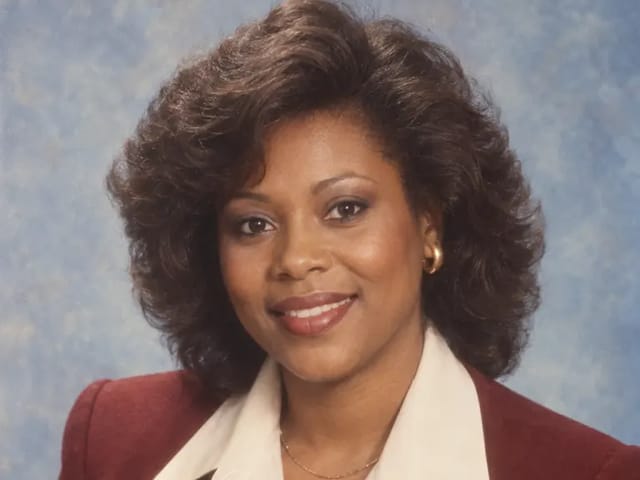
AI Age Filter creates a natural older-look concept from an authorized adult portrait. Review identity, complete-head framing, light and scene after editing.
Open tool
AI Age Progression creates a target-age concept from an authorized adult portrait. Set an age interval and review identity, framing and scene after editing.
Open tool
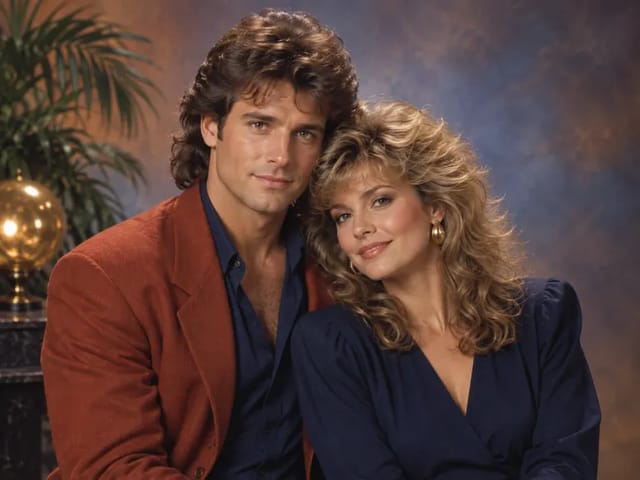
Face in Hole Generator places an authorized face into your chosen photo or template. Upload two references, refine the blend, and save a creative portrait.
Open tool
Remove Glare from Glasses in photos with an editable AI image prompt. Upload your portrait, reduce lens reflections, and review the result before using it.
Open tool