












































































































AI Image Generator
Sign In
Seedream 5.0 AI Image Generator Hero

Seedream 5.0 AI Image Generator for Text-to-Image and Image-to-Image

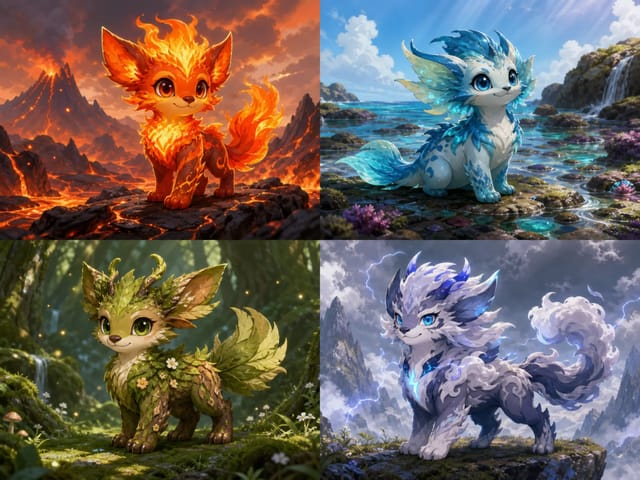
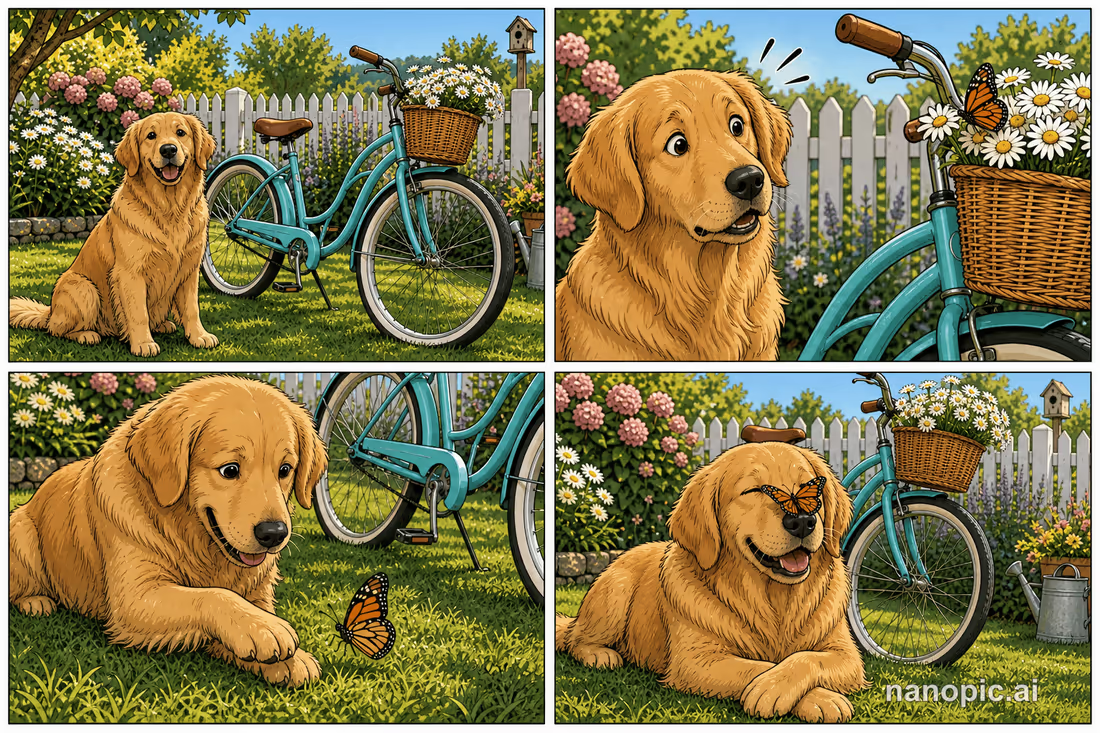
Seedream 5.0 is now integrated on the KIE platform for practical, API-first image creation. This Seedream 5.0 page focuses on prompt-driven generation, image-guided transformation, stable async tasks, and predictable quality controls. You can run this model in text-to-image mode with a prompt and ratio, or use this model in image-to-image mode with one or more image URLs and an edit prompt.

CreditsCost

AI Image Generator

Seedream 5.0

Seedream 5.0 Core Capabilities for Fast Visual Production

Seedream 5.0 combines the required controls for modern AI image operations.

Seedream 5.0 Text-to-Image API Workflow

The this model text-to-image workflow uses a single createTask endpoint with a clear payload: model, prompt, aspect_ratio, and quality. This makes this model easy to integrate into back-end workers, internal tooling, and no-code automations. Engineers can standardize request schemas and return task IDs immediately to users.


Seedream 5.0 Image-to-Image with image_urls

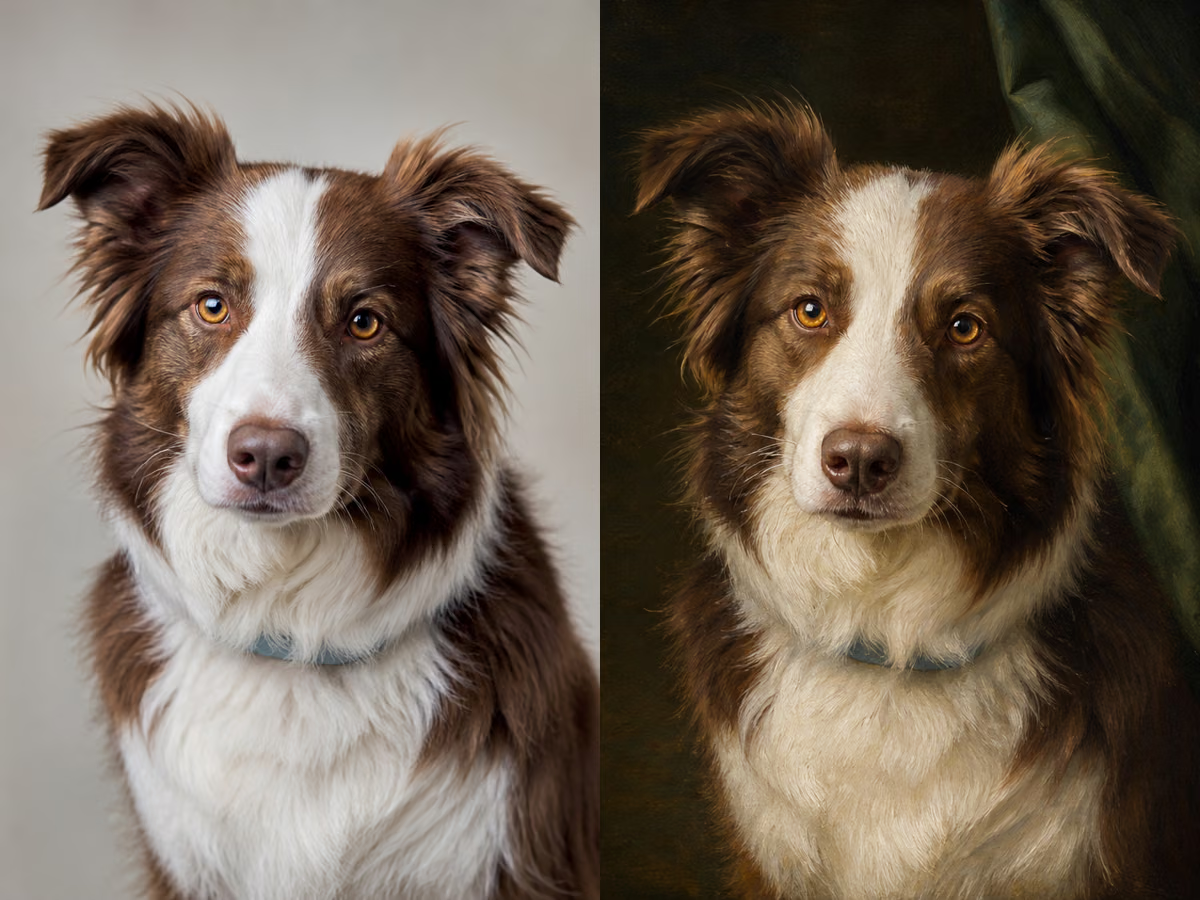
In this model image-to-image mode, the model accepts prompt plus image_urls, which is ideal for controlled edits and fast variation batches. Teams can keep a single this model editing pipeline for style transfer, lighting updates, composition changes, and creative refinement. Since this model supports multiple images in input arrays, it also fits references-first workflows where consistency matters.

Seedream 5.0 Quality and Ratio Controls

Seedream 5.0 exposes practical controls that matter in production: multiple aspect ratios and two quality levels. The basic tier maps to 2K output and the high tier maps to 3K output, so this model can serve both rapid drafts and sharper deliverables. This simple control surface reduces operator mistakes and keeps this model easy to adopt across design, growth, and product teams.

Seedream 5.0 API Architecture for Reliable Delivery

Build repeatable this model pipelines from task creation to result retrieval.

Seedream 5.0 Create Task -> Query Task Pattern

The this model integration follows an explicit two-step contract. First, submit a job to createTask and receive a taskId. Next, query recordInfo until state becomes success or fail. This this model pattern is straightforward for queue workers, cron polling, and webhook-based systems. It also improves observability because every this model request can be traced by taskId with createTime, completeTime, failCode, and failMsg.

Run Seedream 5.0
Seedream 5.0 Task Flow

Seedream 5.0 Callback and Polling Flexibility

Seedream 5.0 supports both callback-driven completion and active polling. If you provide callBackUrl, this model can notify your service immediately when task state changes. If callbacks are not available, this model still works cleanly with interval polling. This flexibility helps teams deploy this model across serverless stacks, private VPC services, and mixed legacy systems without changing business logic.

Start Seedream 5.0
Seedream 5.0 Callback

Seedream 5.0 Business Benefits for Product Teams

Why this model fits shipping-focused teams.

Seedream 5.0 for Unified Prompt and Edit Work

Seedream 5.0 supports both text-to-image and image-to-image in one model family, so teams can reduce tool sprawl. Product teams can start from prompt-only exploration, then continue with image-led edits inside the same this model operating model. This lowers context switching and makes this model easier to govern with shared policies.

Seedream 5.0 for Predictable Throughput

Because this model uses explicit async task states, capacity planning is simpler. Teams can queue, retry, and monitor this model jobs without guessing hidden model behavior. Combined with clear error codes and task metadata, this model helps operations teams keep generation services stable as traffic grows.

Seedream 5.0 for Practical Image Quality Targets

Seedream 5.0 offers simple quality targeting via basic and high modes, aligned with 2K and 3K output expectations. This lets teams pick this model settings based on cost, speed, and delivery quality without exposing too many fragile knobs to end users.

Seedream 5.0 FAQ and Seedream 5.0 Technical Notes

Key implementation answers for this model deployment.

What is Seedream 5.0 on this page?

Seedream 5.0 here refers to KIE platform integration for seedream/5-lite-text-to-image and seedream/5-lite-image-to-image. You can run this model with prompt-only input for generation or with prompt plus image_urls for guided edits.

How does Seedream 5.0 return results?

Seedream 5.0 returns a taskId after createTask. You then call recordInfo and inspect state. On success, this model provides resultJson containing resultUrls that you can display, persist, or forward to storage/CDN services.

Which Seedream 5.0 parameters are supported?

Seedream 5.0 supports prompt, aspect_ratio, and quality for text-to-image. In image-to-image mode, this model additionally requires image_urls. Quality includes basic and high levels, and aspect ratios include common formats like 1:1, 4:3, 3:4, 16:9, 9:16, 2:3, 3:2, and 21:9.

Can Seedream 5.0 use callback notifications?

Yes. If callBackUrl is provided, this model can push completion callbacks. Without callback, this model can be polled through recordInfo. Both strategies are valid and can coexist by environment.

Is Seedream 5.0 suitable for production systems?

Seedream 5.0 is suitable when you implement standard async controls: request validation, retry logic, timeout strategy, and result persistence. With these controls in place, this model can support internal tools, creator products, and marketing asset pipelines.

Launch Seedream 5.0 and Ship Faster

Use this model now for text-to-image and image-to-image generation with clear async workflows and production-ready output handling.