Muse Image Prompt Builder
Sign In

Muse Image Prompt Builder

Describe your image, choose what to change or preserve, and copy a clear creative brief.

Start with a sample brief

Choosing a sample replaces your current brief.

Your copy-ready image brief

Creative task: Create a new image

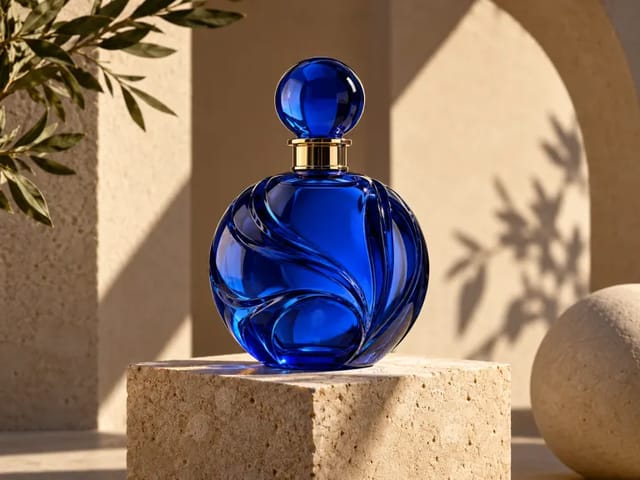
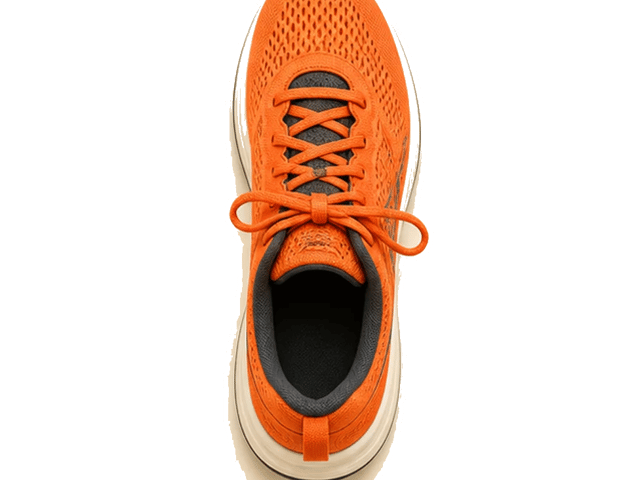
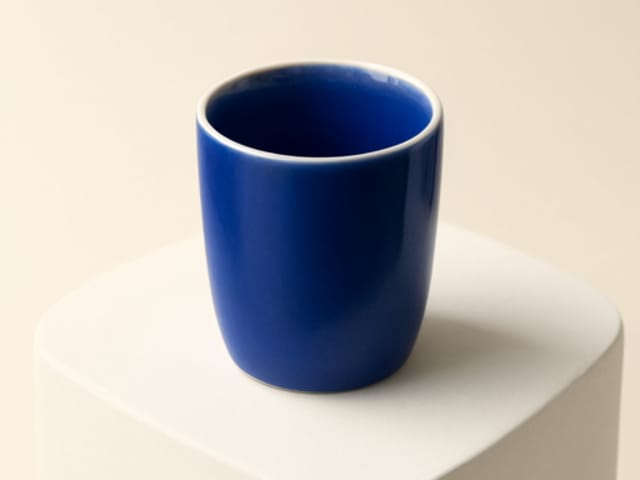
Subject and desired result: An unbranded cobalt-blue ceramic teapot on a pale stone table, with empty space for a product headline.

Composition, lighting and style: Soft side light, realistic glaze, quiet editorial composition; show the whole handle and spout.

Exact text or blank space: No lettering inside the image; leave clear space above the product.

Exclude from the result: Extra handles, duplicated objects, cut-off spouts, decorative borders.

Target aspect ratio: 4:5

This local text tool does not upload photos or generate images. Planning and copying use no credits; target ratios are creative choices, not guaranteed generator settings.

Make every instruction serve the image

Define one visual goal

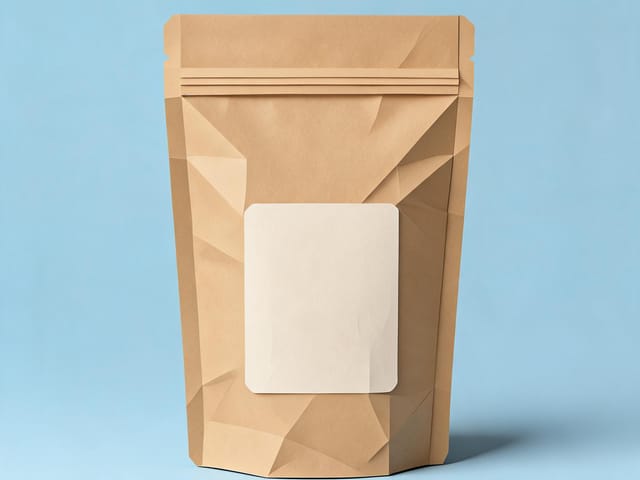
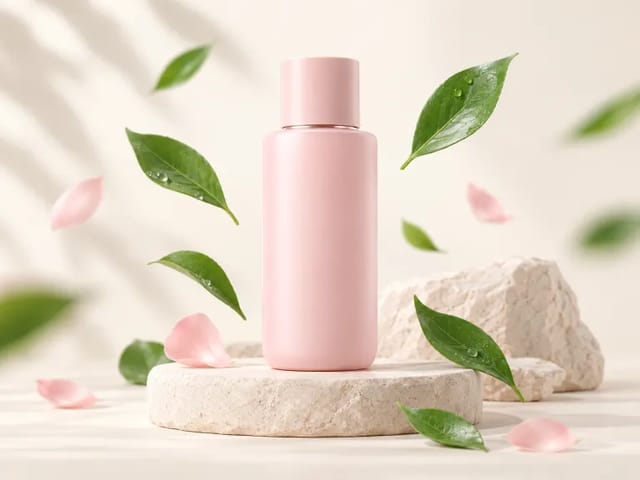
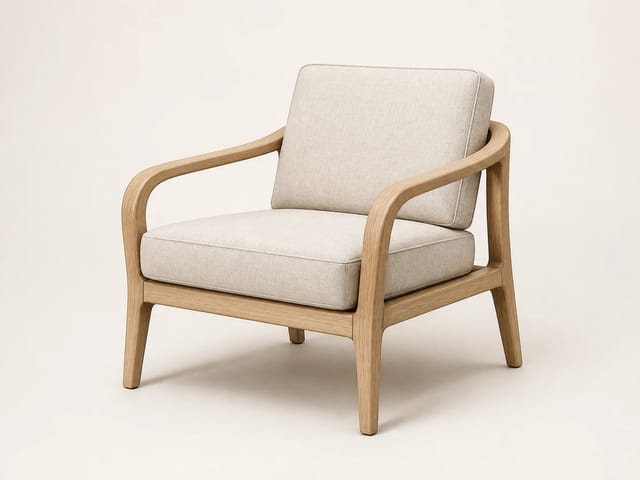
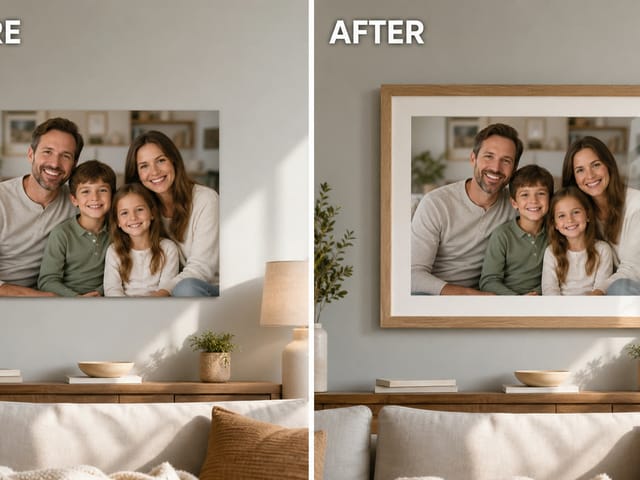
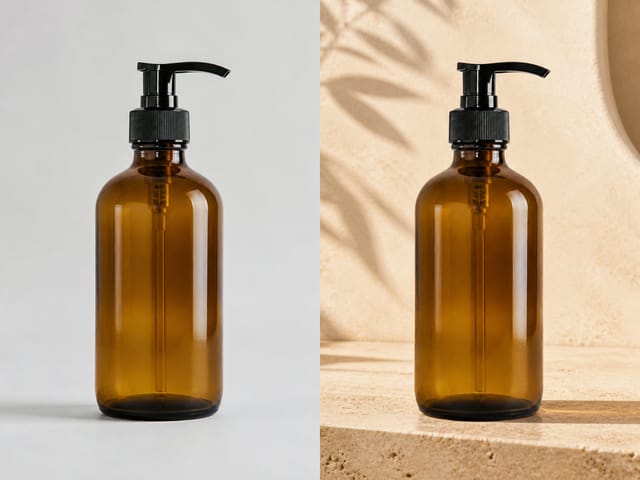
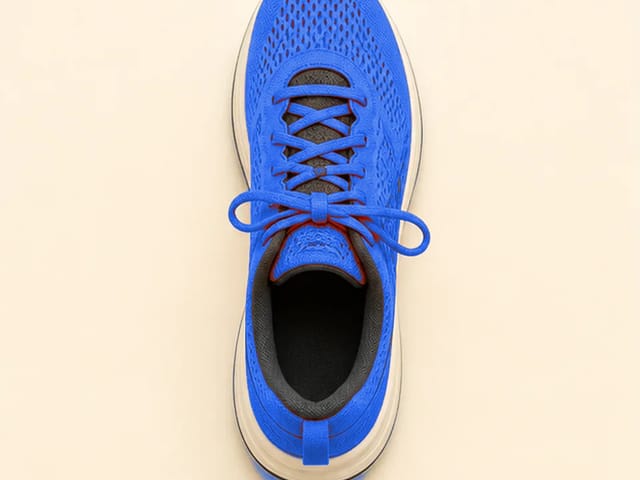
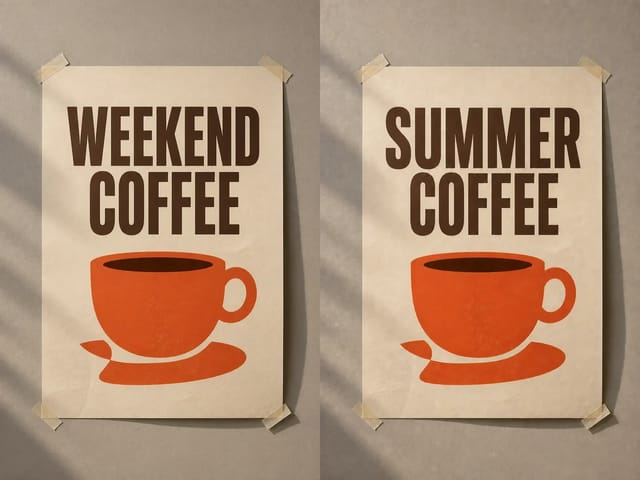
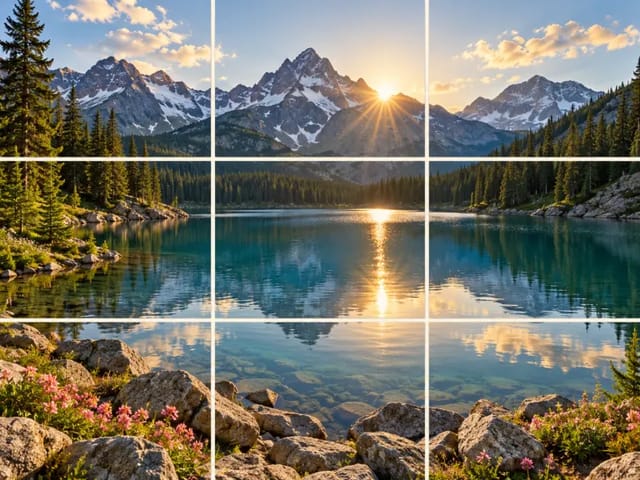
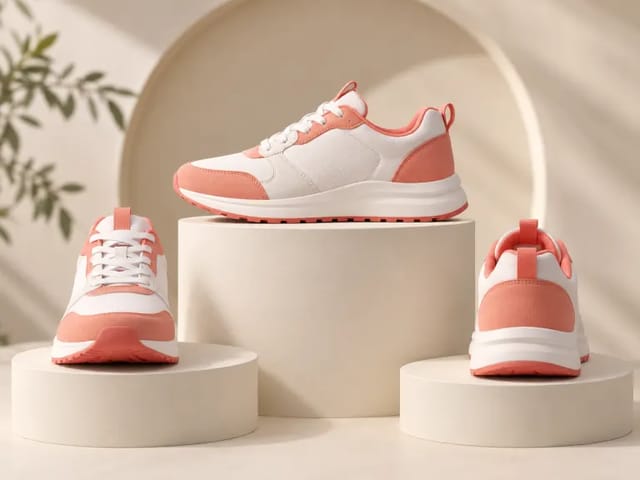
Start with the subject and where the image will be used. A product card needs a readable silhouette and room for layout; a portrait needs a clear expression and consistent light. Specify the focal point before listing decorative details. Use the product sample to plan material, framing and negative space.

Separate changes from invariants

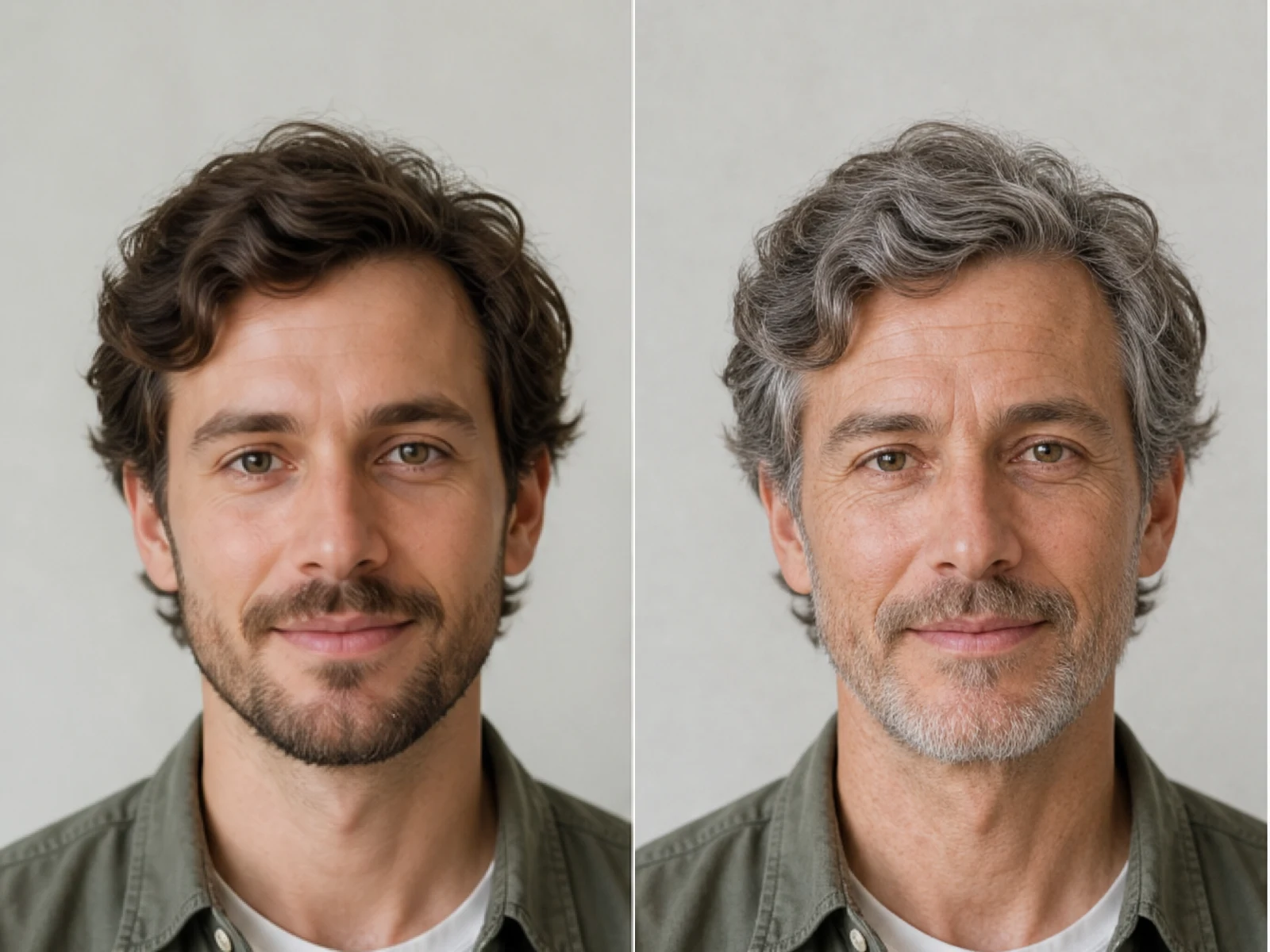
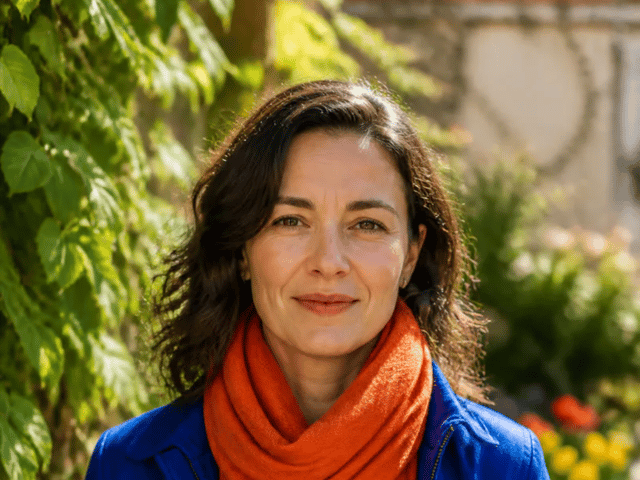
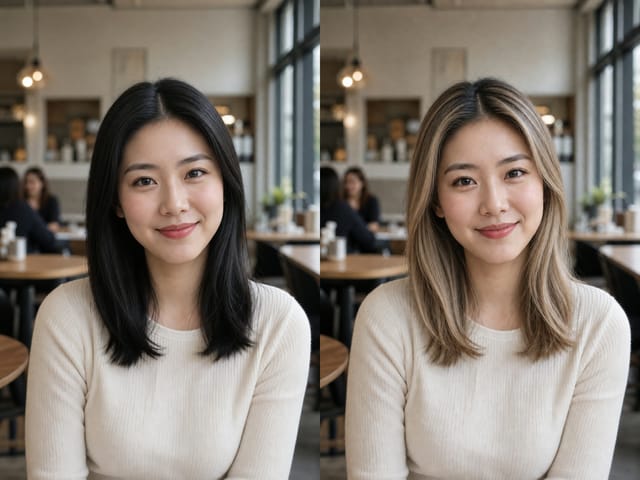
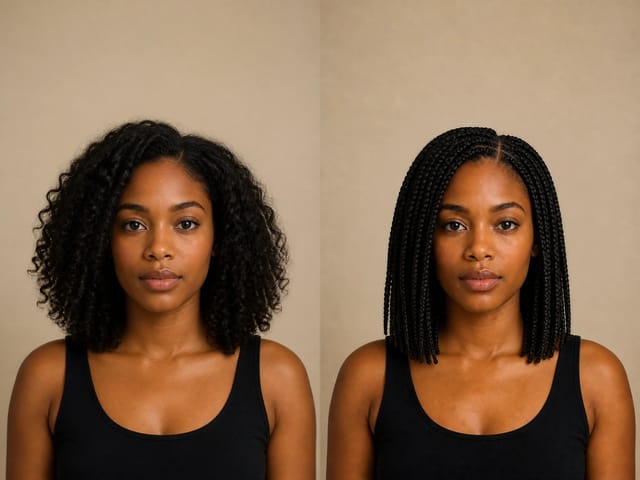
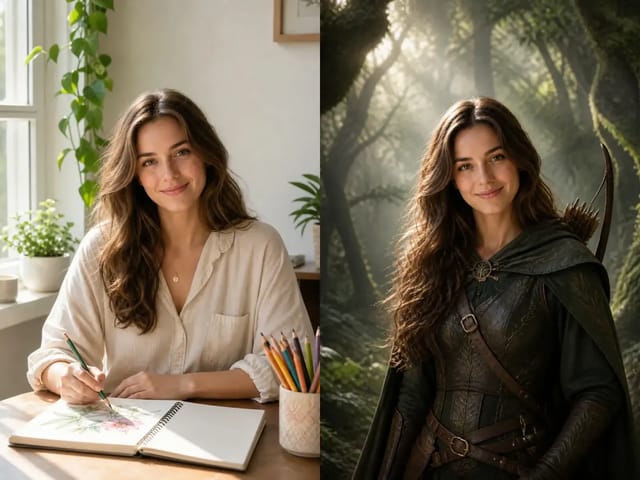
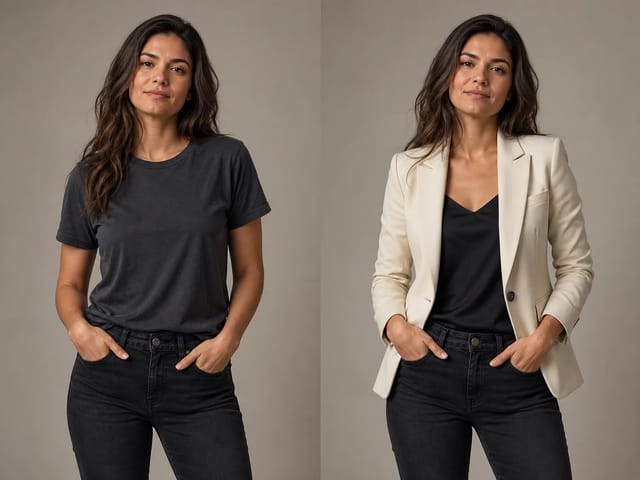
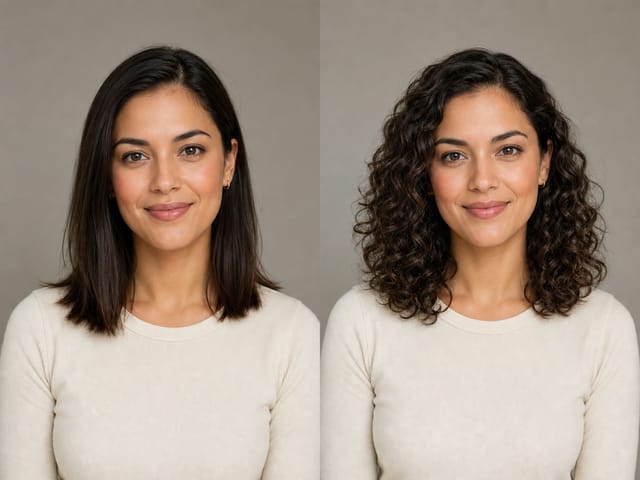
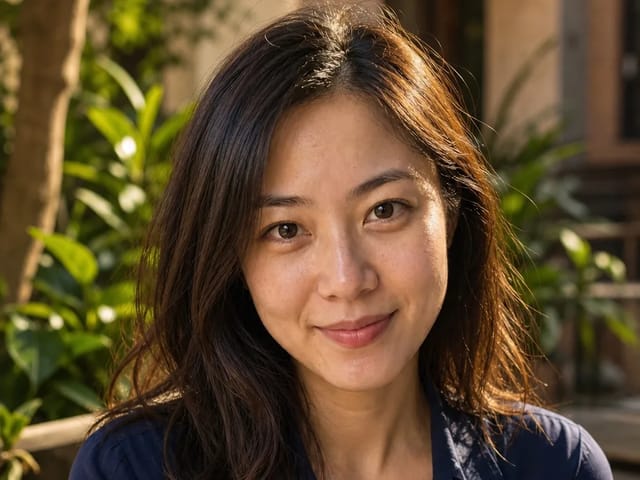
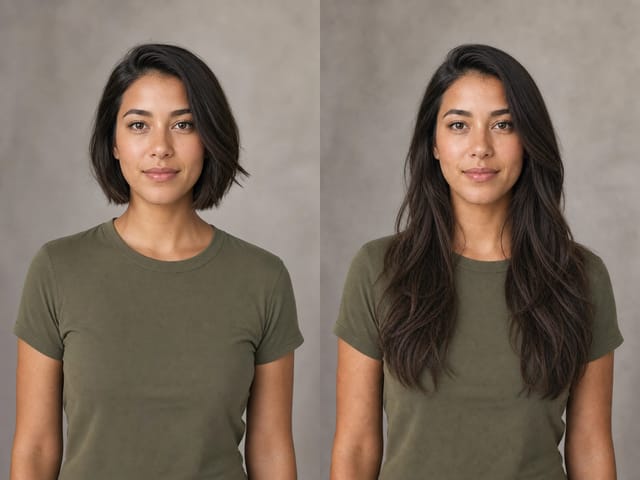
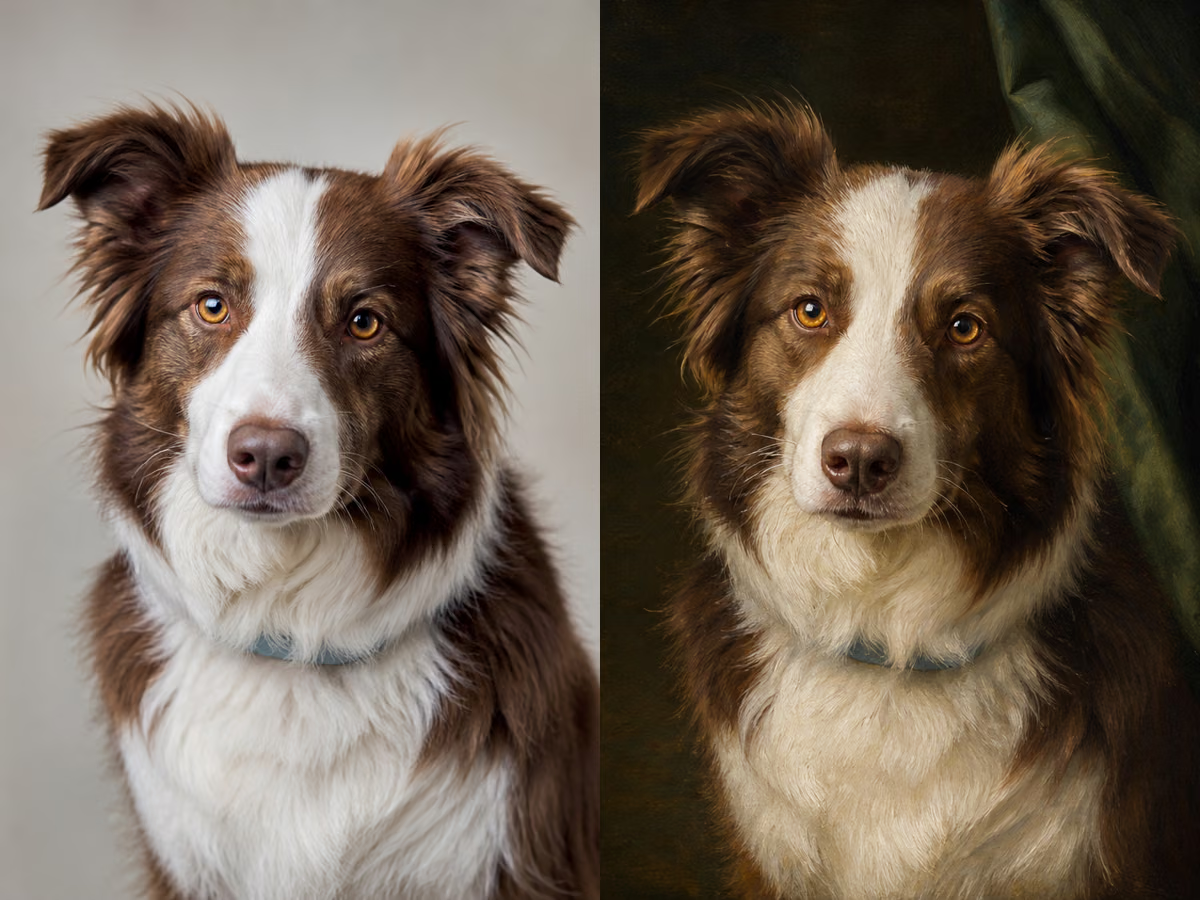
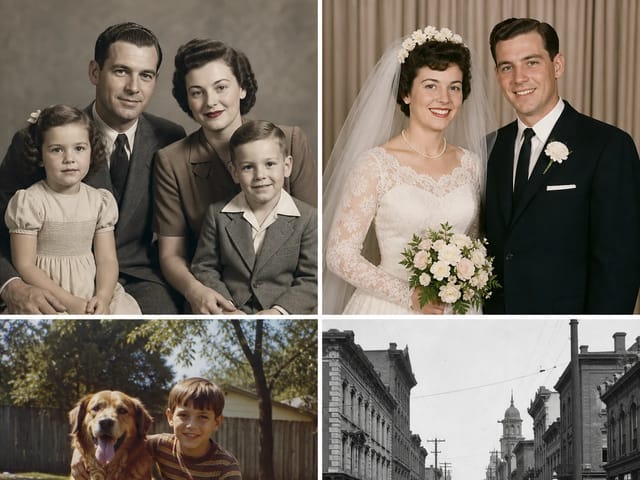
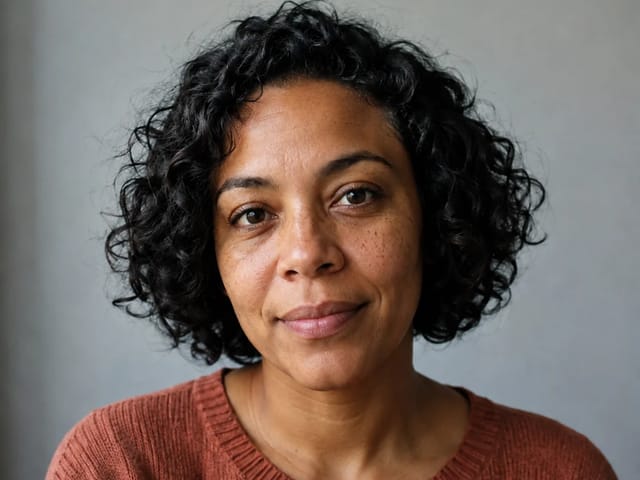
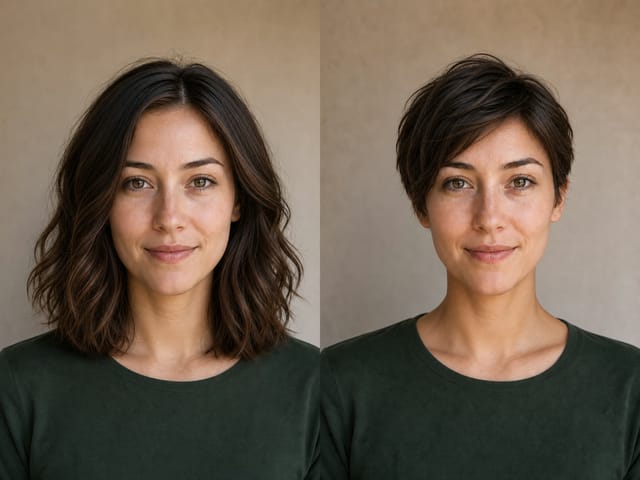
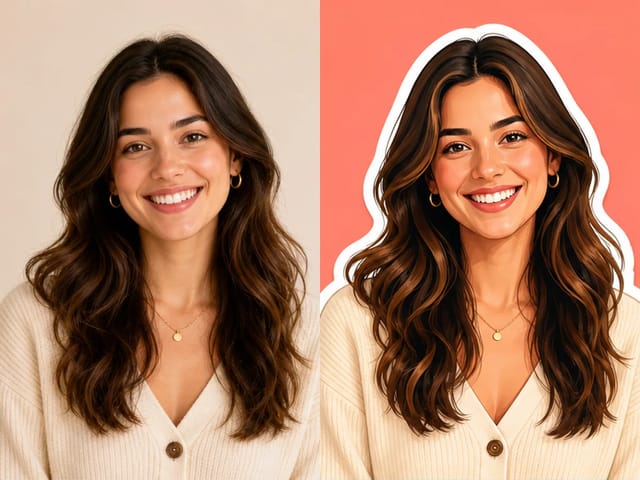
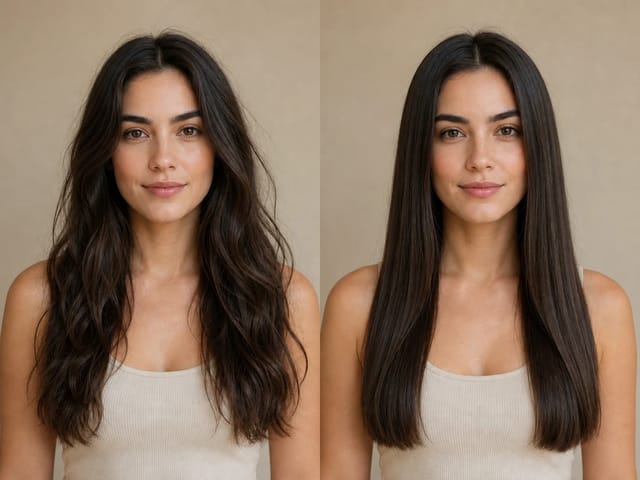
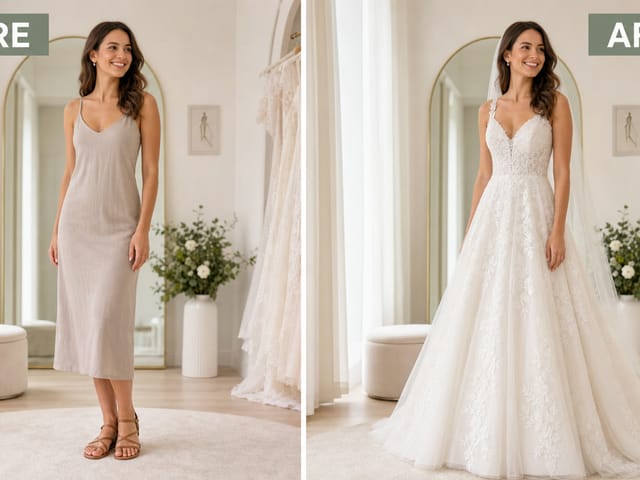
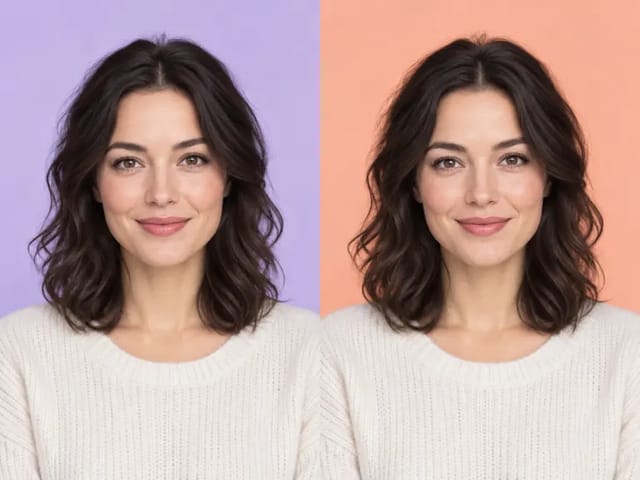
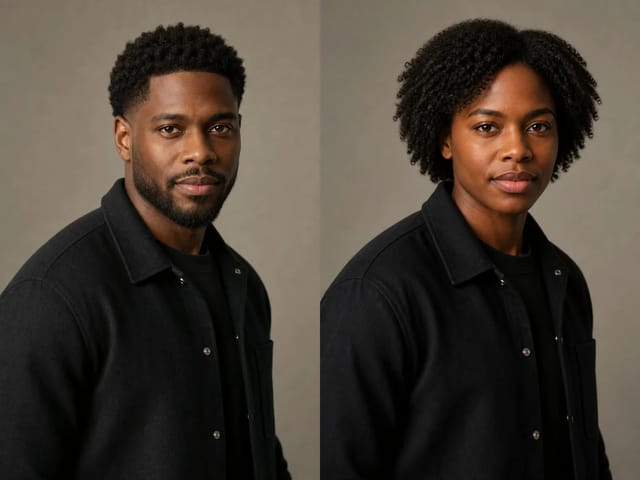
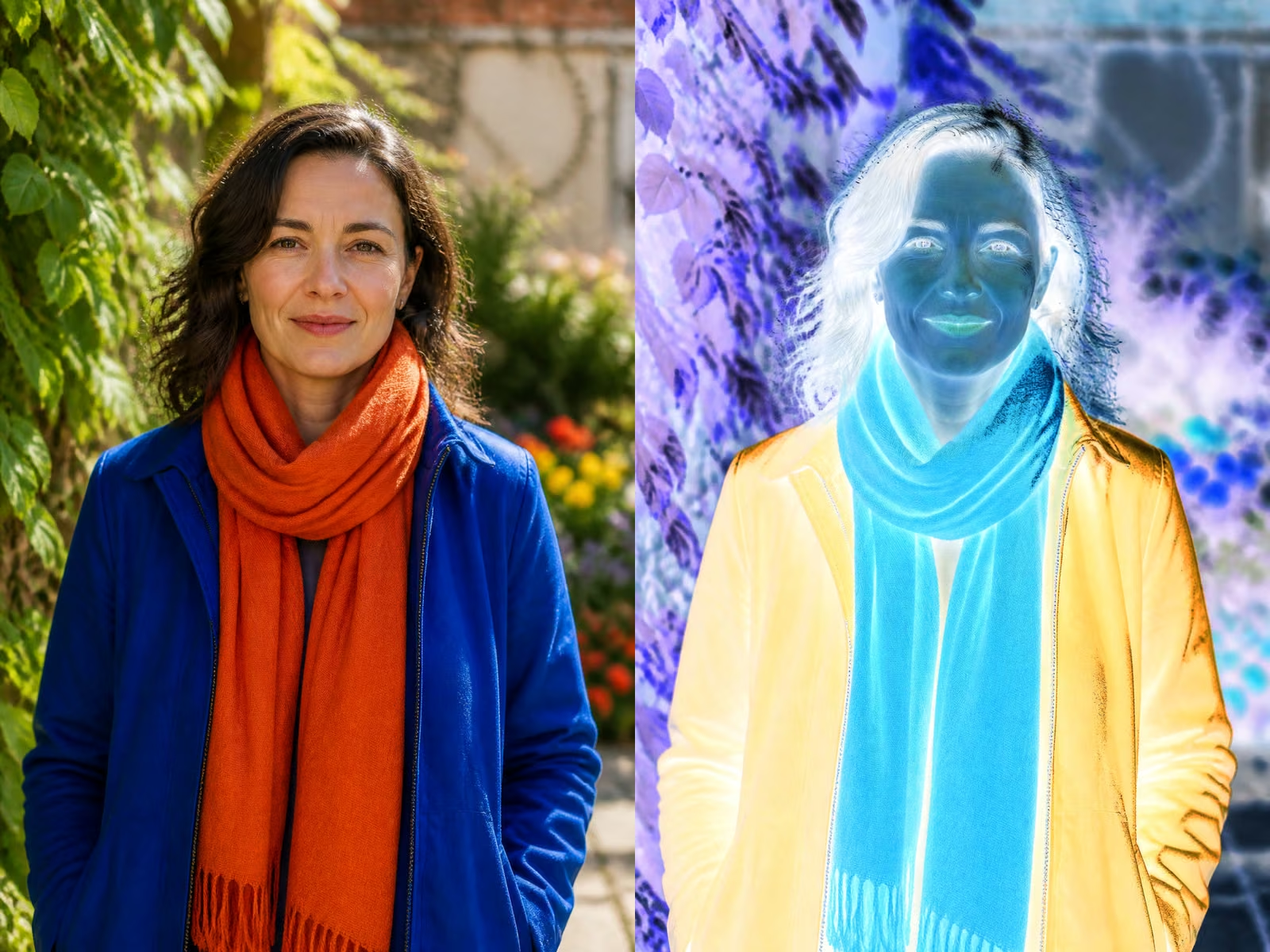
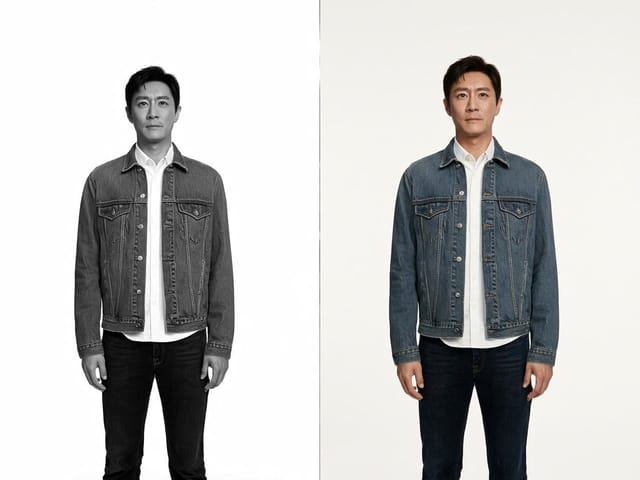
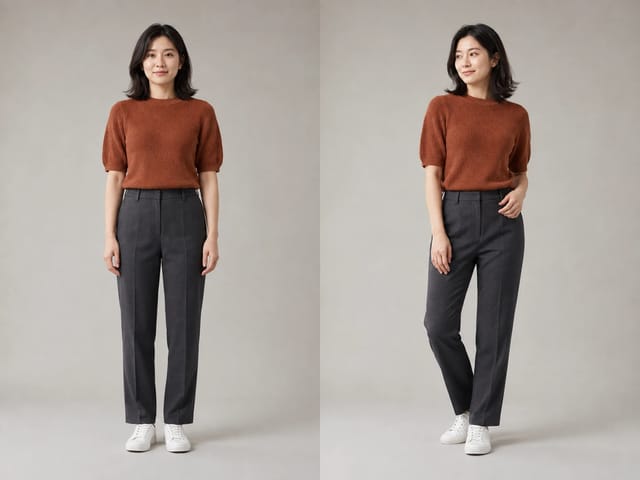
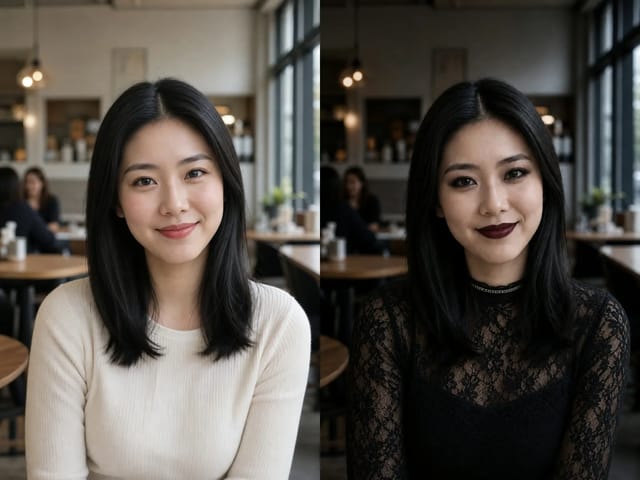
For an edit, name the area to change and list what should stay. Replacing a backdrop is different from redesigning the face, pose or clothing. The portrait sample separates these instructions. Compare the result with the original at full size; a written preservation request is not a pixel-lock guarantee.

Give each reference one role

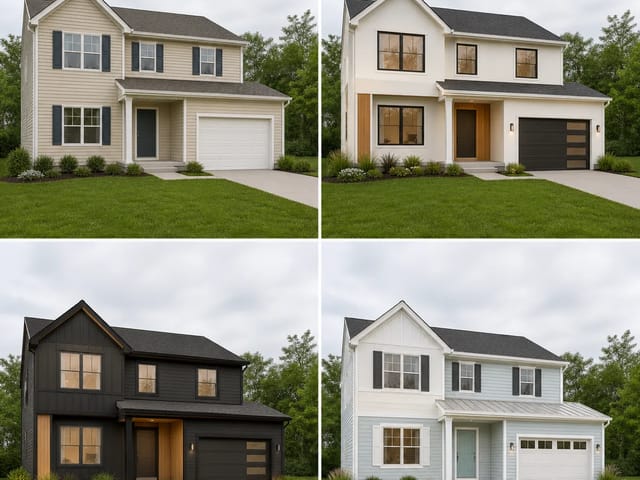
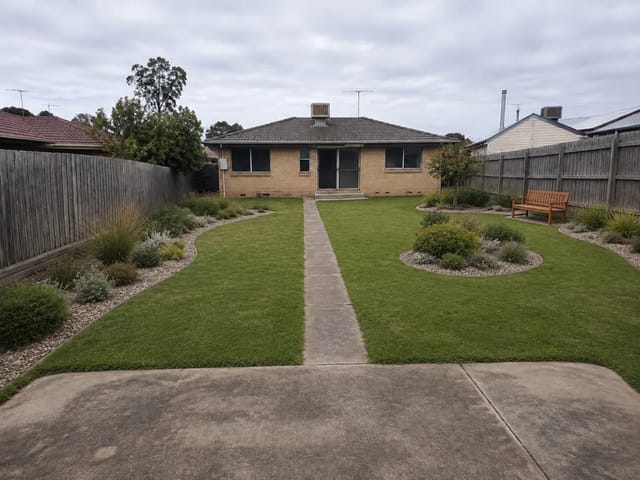
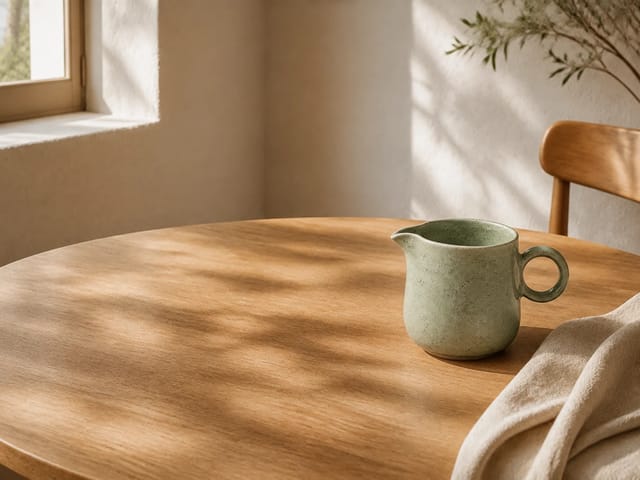
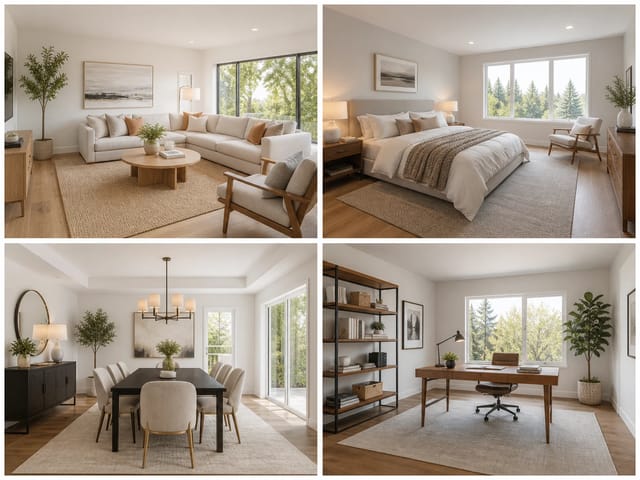
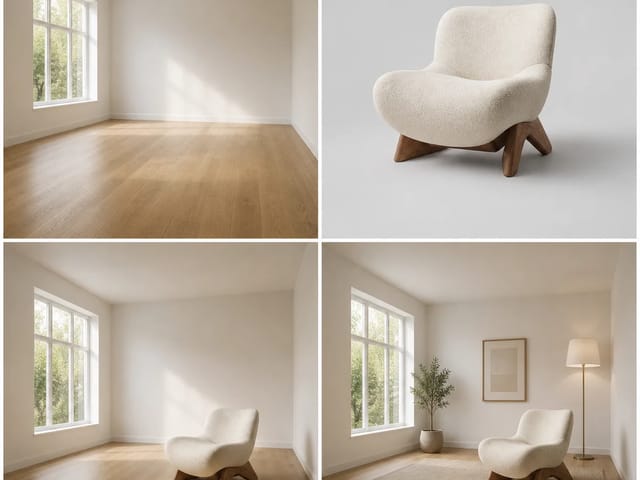
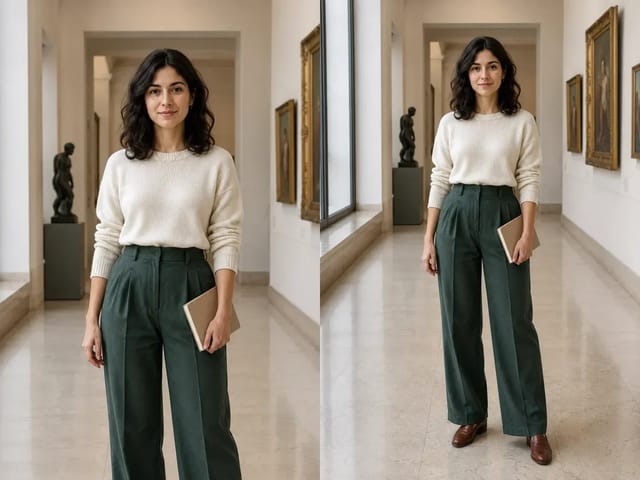
Describe which photo supplies the subject, which supplies composition, and which supplies a material or palette. The room sample keeps architecture separate from furniture and textile references. Check scale, shadows and occlusion after generation. Permission to use each source still matters even when only one small detail is borrowed.

Muse Image prompting questions

What does a useful Muse Image prompt include?

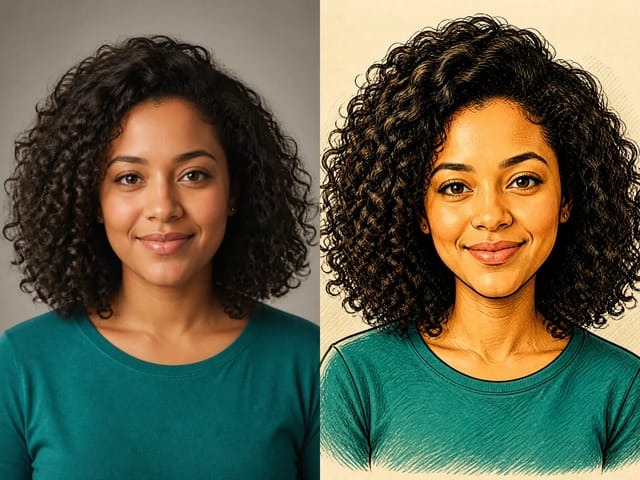
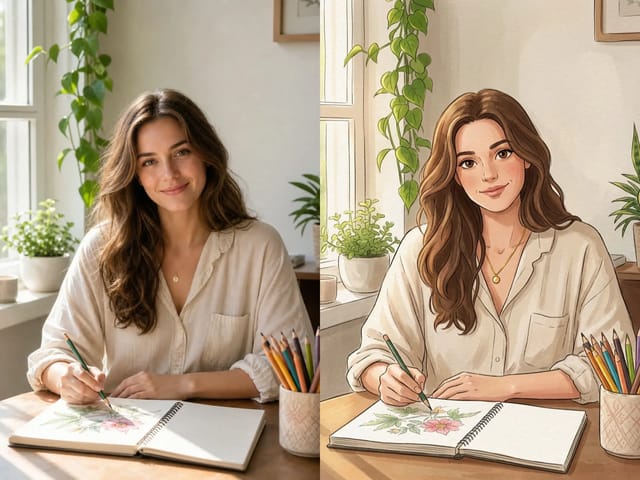
A focused subject, desired change, composition, lighting and explicit constraints make a brief easier to review. Meta describes Muse Image as an image model supporting instruction-led creation, editing and multi-reference composition. This builder helps organize those instructions; it does not guarantee any model’s output.

How do I keep a product or person consistent?

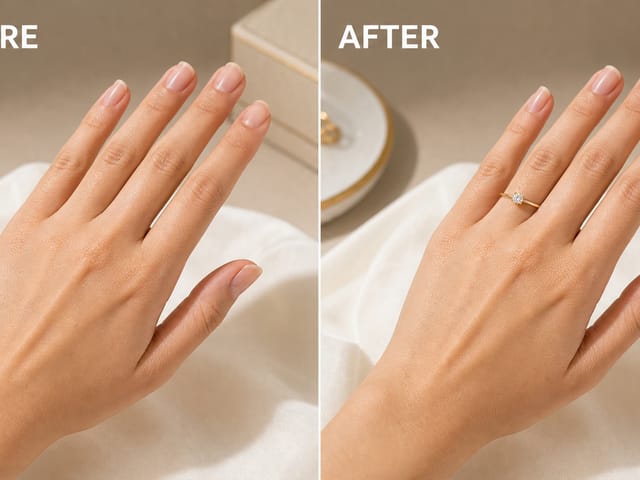
Use an authorized source image, identify it as the identity or product reference, and list features to preserve. Check face details, packaging, proportions and small markings afterwards. Reduce the requested changes if the result drifts. Do not use an edit to misrepresent someone’s consent or endorsement.

How should I request text on an image?

Put the exact wording in the text field and describe its placement. For critical labels, prices or contact details, consider leaving blank space and adding typography in an editor. Always proofread the final image rather than assuming the model reproduced every character.

Does a white background mean an image is transparent?

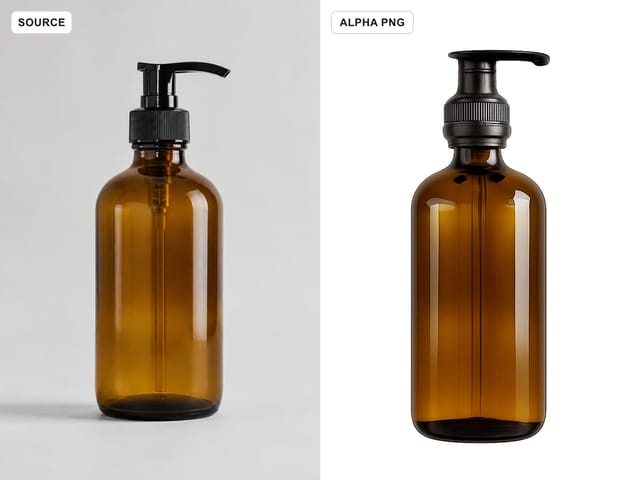
No. White is a visible color, not proof of an alpha channel. If you need a cutout, use a workflow that supports transparent output and inspect the downloaded file on light and dark backgrounds. This planner does not remove backgrounds or export image files.

Are my references uploaded or saved here?

No. Reference roles are text descriptions held in this page’s current browser state. Reloading resets the brief; copy it before leaving if you want to keep it. The presets are writing examples, not generated-image evidence. Use only images you have permission to provide to a separate tool.
Does NanoPic run Muse Image from this page?

No. This page builds a text brief locally and is not affiliated with Meta. Open Meta AI separately to explore its image tools, or choose a clearly named model in NanoPic’s image generator. Availability and controls depend on the destination; copying a brief does not start a generation or debit credits.
Official model and workflow references